
new
Get trending papers in your email inbox once a day!
Get trending papers in your email inbox!
Subscribe


Reinforcement Learning with Action Sequence for Data-Efficient Robot Learning
Training reinforcement learning (RL) agents on robotic tasks typically requires a large number of training samples. This is because training data often consists of noisy trajectories, whether from exploration or human-collected demonstrations, making it difficult to learn value functions that understand the effect of taking each action. On the other hand, recent behavior-cloning (BC) approaches have shown that predicting a sequence of actions enables policies to effectively approximate noisy, multi-modal distributions of expert demonstrations. Can we use a similar idea for improving RL on robotic tasks? In this paper, we introduce a novel RL algorithm that learns a critic network that outputs Q-values over a sequence of actions. By explicitly training the value functions to learn the consequence of executing a series of current and future actions, our algorithm allows for learning useful value functions from noisy trajectories. We study our algorithm across various setups with sparse and dense rewards, and with or without demonstrations, spanning mobile bi-manual manipulation, whole-body control, and tabletop manipulation tasks from BiGym, HumanoidBench, and RLBench. We find that, by learning the critic network with action sequences, our algorithm outperforms various RL and BC baselines, in particular on challenging humanoid control tasks.
GR-3 Technical Report
We report our recent progress towards building generalist robot policies, the development of GR-3. GR-3 is a large-scale vision-language-action (VLA) model. It showcases exceptional capabilities in generalizing to novel objects, environments, and instructions involving abstract concepts. Furthermore, it can be efficiently fine-tuned with minimal human trajectory data, enabling rapid and cost-effective adaptation to new settings. GR-3 also excels in handling long-horizon and dexterous tasks, including those requiring bi-manual manipulation and mobile movement, showcasing robust and reliable performance. These capabilities are achieved through a multi-faceted training recipe that includes co-training with web-scale vision-language data, efficient fine-tuning from human trajectory data collected via VR devices, and effective imitation learning with robot trajectory data. In addition, we introduce ByteMini, a versatile bi-manual mobile robot designed with exceptional flexibility and reliability, capable of accomplishing a wide range of tasks when integrated with GR-3. Through extensive real-world experiments, we show GR-3 surpasses the state-of-the-art baseline method, pi_0, on a wide variety of challenging tasks. We hope GR-3 can serve as a step towards building generalist robots capable of assisting humans in daily life.

HERMES: Human-to-Robot Embodied Learning from Multi-Source Motion Data for Mobile Dexterous Manipulation
Leveraging human motion data to impart robots with versatile manipulation skills has emerged as a promising paradigm in robotic manipulation. Nevertheless, translating multi-source human hand motions into feasible robot behaviors remains challenging, particularly for robots equipped with multi-fingered dexterous hands characterized by complex, high-dimensional action spaces. Moreover, existing approaches often struggle to produce policies capable of adapting to diverse environmental conditions. In this paper, we introduce HERMES, a human-to-robot learning framework for mobile bimanual dexterous manipulation. First, HERMES formulates a unified reinforcement learning approach capable of seamlessly transforming heterogeneous human hand motions from multiple sources into physically plausible robotic behaviors. Subsequently, to mitigate the sim2real gap, we devise an end-to-end, depth image-based sim2real transfer method for improved generalization to real-world scenarios. Furthermore, to enable autonomous operation in varied and unstructured environments, we augment the navigation foundation model with a closed-loop Perspective-n-Point (PnP) localization mechanism, ensuring precise alignment of visual goals and effectively bridging autonomous navigation and dexterous manipulation. Extensive experimental results demonstrate that HERMES consistently exhibits generalizable behaviors across diverse, in-the-wild scenarios, successfully performing numerous complex mobile bimanual dexterous manipulation tasks. Project Page:https://gemcollector.github.io/HERMES/.
Mobile ALOHA: Learning Bimanual Mobile Manipulation with Low-Cost Whole-Body Teleoperation
Imitation learning from human demonstrations has shown impressive performance in robotics. However, most results focus on table-top manipulation, lacking the mobility and dexterity necessary for generally useful tasks. In this work, we develop a system for imitating mobile manipulation tasks that are bimanual and require whole-body control. We first present Mobile ALOHA, a low-cost and whole-body teleoperation system for data collection. It augments the ALOHA system with a mobile base, and a whole-body teleoperation interface. Using data collected with Mobile ALOHA, we then perform supervised behavior cloning and find that co-training with existing static ALOHA datasets boosts performance on mobile manipulation tasks. With 50 demonstrations for each task, co-training can increase success rates by up to 90%, allowing Mobile ALOHA to autonomously complete complex mobile manipulation tasks such as sauteing and serving a piece of shrimp, opening a two-door wall cabinet to store heavy cooking pots, calling and entering an elevator, and lightly rinsing a used pan using a kitchen faucet. Project website: https://mobile-aloha.github.io
High-density Electromyography for Effective Gesture-based Control of Physically Assistive Mobile Manipulators
Injury to the cervical spinal cord can cause quadriplegia, impairing muscle function in all four limbs. People with impaired hand function and mobility encounter significant difficulties in carrying out essential self-care and household tasks. Despite the impairment of their neural drive, their volitional myoelectric activity is often partially preserved. High-density electromyography (HDEMG) can detect this myoelectric activity, which can serve as control inputs to assistive devices. Previous HDEMG-controlled robotic interfaces have primarily been limited to controlling table-mounted robot arms. These have constrained reach capabilities. Instead, the ability to control mobile manipulators, which have no such workspace constraints, could allow individuals with quadriplegia to perform a greater variety of assistive tasks, thus restoring independence and reducing caregiver workload. In this study, we introduce a non-invasive wearable HDEMG interface with real-time myoelectric hand gesture recognition, enabling both coarse and fine control over the intricate mobility and manipulation functionalities of an 8 degree-of-freedom mobile manipulator. Our evaluation, involving 13 participants engaging in challenging self-care and household activities, demonstrates the potential of our wearable HDEMG system to profoundly enhance user independence by enabling non-invasive control of a mobile manipulator.
TidyBot++: An Open-Source Holonomic Mobile Manipulator for Robot Learning
Exploiting the promise of recent advances in imitation learning for mobile manipulation will require the collection of large numbers of human-guided demonstrations. This paper proposes an open-source design for an inexpensive, robust, and flexible mobile manipulator that can support arbitrary arms, enabling a wide range of real-world household mobile manipulation tasks. Crucially, our design uses powered casters to enable the mobile base to be fully holonomic, able to control all planar degrees of freedom independently and simultaneously. This feature makes the base more maneuverable and simplifies many mobile manipulation tasks, eliminating the kinematic constraints that create complex and time-consuming motions in nonholonomic bases. We equip our robot with an intuitive mobile phone teleoperation interface to enable easy data acquisition for imitation learning. In our experiments, we use this interface to collect data and show that the resulting learned policies can successfully perform a variety of common household mobile manipulation tasks.


Learning Diverse Bimanual Dexterous Manipulation Skills from Human Demonstrations
Bimanual dexterous manipulation is a critical yet underexplored area in robotics. Its high-dimensional action space and inherent task complexity present significant challenges for policy learning, and the limited task diversity in existing benchmarks hinders general-purpose skill development. Existing approaches largely depend on reinforcement learning, often constrained by intricately designed reward functions tailored to a narrow set of tasks. In this work, we present a novel approach for efficiently learning diverse bimanual dexterous skills from abundant human demonstrations. Specifically, we introduce BiDexHD, a framework that unifies task construction from existing bimanual datasets and employs teacher-student policy learning to address all tasks. The teacher learns state-based policies using a general two-stage reward function across tasks with shared behaviors, while the student distills the learned multi-task policies into a vision-based policy. With BiDexHD, scalable learning of numerous bimanual dexterous skills from auto-constructed tasks becomes feasible, offering promising advances toward universal bimanual dexterous manipulation. Our empirical evaluation on the TACO dataset, spanning 141 tasks across six categories, demonstrates a task fulfillment rate of 74.59% on trained tasks and 51.07% on unseen tasks, showcasing the effectiveness and competitive zero-shot generalization capabilities of BiDexHD. For videos and more information, visit our project page https://sites.google.com/view/bidexhd.


Bi-LAT: Bilateral Control-Based Imitation Learning via Natural Language and Action Chunking with Transformers
We present Bi-LAT, a novel imitation learning framework that unifies bilateral control with natural language processing to achieve precise force modulation in robotic manipulation. Bi-LAT leverages joint position, velocity, and torque data from leader-follower teleoperation while also integrating visual and linguistic cues to dynamically adjust applied force. By encoding human instructions such as "softly grasp the cup" or "strongly twist the sponge" through a multimodal Transformer-based model, Bi-LAT learns to distinguish nuanced force requirements in real-world tasks. We demonstrate Bi-LAT's performance in (1) unimanual cup-stacking scenario where the robot accurately modulates grasp force based on language commands, and (2) bimanual sponge-twisting task that requires coordinated force control. Experimental results show that Bi-LAT effectively reproduces the instructed force levels, particularly when incorporating SigLIP among tested language encoders. Our findings demonstrate the potential of integrating natural language cues into imitation learning, paving the way for more intuitive and adaptive human-robot interaction. For additional material, please visit: https://mertcookimg.github.io/bi-lat/
A Mobile Manipulation System for One-Shot Teaching of Complex Tasks in Homes
We describe a mobile manipulation hardware and software system capable of autonomously performing complex human-level tasks in real homes, after being taught the task with a single demonstration from a person in virtual reality. This is enabled by a highly capable mobile manipulation robot, whole-body task space hybrid position/force control, teaching of parameterized primitives linked to a robust learned dense visual embeddings representation of the scene, and a task graph of the taught behaviors. We demonstrate the robustness of the approach by presenting results for performing a variety of tasks, under different environmental conditions, in multiple real homes. Our approach achieves 85% overall success rate on three tasks that consist of an average of 45 behaviors each.

BimArt: A Unified Approach for the Synthesis of 3D Bimanual Interaction with Articulated Objects
We present BimArt, a novel generative approach for synthesizing 3D bimanual hand interactions with articulated objects. Unlike prior works, we do not rely on a reference grasp, a coarse hand trajectory, or separate modes for grasping and articulating. To achieve this, we first generate distance-based contact maps conditioned on the object trajectory with an articulation-aware feature representation, revealing rich bimanual patterns for manipulation. The learned contact prior is then used to guide our hand motion generator, producing diverse and realistic bimanual motions for object movement and articulation. Our work offers key insights into feature representation and contact prior for articulated objects, demonstrating their effectiveness in taming the complex, high-dimensional space of bimanual hand-object interactions. Through comprehensive quantitative experiments, we demonstrate a clear step towards simplified and high-quality hand-object animations that excel over the state-of-the-art in motion quality and diversity.
Bi-VLA: Vision-Language-Action Model-Based System for Bimanual Robotic Dexterous Manipulations
This research introduces the Bi-VLA (Vision-Language-Action) model, a novel system designed for bimanual robotic dexterous manipulations that seamlessly integrate vision, language understanding, and physical action. The system's functionality was evaluated through a set of household tasks, including the preparation of a desired salad upon human request. Bi-VLA demonstrates the ability to interpret complex human instructions, perceive and understand the visual context of ingredients, and execute precise bimanual actions to assemble the requested salad. Through a series of experiments, we evaluate the system's performance in terms of accuracy, efficiency, and adaptability to various salad recipes and human preferences. Our results indicate a high success rate of 100% in generating the correct executable code by the Language module from the user-requested tasks. The Vision Module achieved a success rate of 96.06% in detecting specific ingredients and an 83.4% success rate in detecting a list of multiple ingredients.

You Only Teach Once: Learn One-Shot Bimanual Robotic Manipulation from Video Demonstrations
Bimanual robotic manipulation is a long-standing challenge of embodied intelligence due to its characteristics of dual-arm spatial-temporal coordination and high-dimensional action spaces. Previous studies rely on pre-defined action taxonomies or direct teleoperation to alleviate or circumvent these issues, often making them lack simplicity, versatility and scalability. Differently, we believe that the most effective and efficient way for teaching bimanual manipulation is learning from human demonstrated videos, where rich features such as spatial-temporal positions, dynamic postures, interaction states and dexterous transitions are available almost for free. In this work, we propose the YOTO (You Only Teach Once), which can extract and then inject patterns of bimanual actions from as few as a single binocular observation of hand movements, and teach dual robot arms various complex tasks. Furthermore, based on keyframes-based motion trajectories, we devise a subtle solution for rapidly generating training demonstrations with diverse variations of manipulated objects and their locations. These data can then be used to learn a customized bimanual diffusion policy (BiDP) across diverse scenes. In experiments, YOTO achieves impressive performance in mimicking 5 intricate long-horizon bimanual tasks, possesses strong generalization under different visual and spatial conditions, and outperforms existing visuomotor imitation learning methods in accuracy and efficiency. Our project link is https://hnuzhy.github.io/projects/YOTO.
RoboCOIN: An Open-Sourced Bimanual Robotic Data COllection for INtegrated Manipulation
Bimanual manipulation is essential for achieving human-like dexterity in robots, but the large-scale and diverse bimanual robot datasets remain scarce due to hardware heterogeneity across robotic platforms. To address the challenge, we present RoboCOIN, a comprehensive multi-embodiment bimanual manipulation dataset with over 180,000 demonstrations collected from 15 distinct robotic platforms. The dataset covers 16 scenarios, including residential, commercial, and working environments, with 421 tasks systematically organized by bimanual coordination patterns and object properties. Our key innovation is a hierarchical capability pyramid that provides multi-level annotations, spanning trajectory-level concepts, segment-level subtasks, and frame-level kinematics. We further develop CoRobot, a comprehensive processing framework featuring Robot Trajectory Markup Language (RTML) for quality assessment, automated annotation generation, and unified multi-embodiment management. Extensive experiments demonstrate the reliability and effectiveness of RoboCOIN in multi-embodiment bimanual learning, with significant performance improvements across various model architectures and robotic platforms. The complete dataset and framework are open-sourced and publicly available for further research purposes. Project website: https://FlagOpen.github.io/RoboCOIN/.
BEHAVIOR Robot Suite: Streamlining Real-World Whole-Body Manipulation for Everyday Household Activities
Real-world household tasks present significant challenges for mobile manipulation robots. An analysis of existing robotics benchmarks reveals that successful task performance hinges on three key whole-body control capabilities: bimanual coordination, stable and precise navigation, and extensive end-effector reachability. Achieving these capabilities requires careful hardware design, but the resulting system complexity further complicates visuomotor policy learning. To address these challenges, we introduce the BEHAVIOR Robot Suite (BRS), a comprehensive framework for whole-body manipulation in diverse household tasks. Built on a bimanual, wheeled robot with a 4-DoF torso, BRS integrates a cost-effective whole-body teleoperation interface for data collection and a novel algorithm for learning whole-body visuomotor policies. We evaluate BRS on five challenging household tasks that not only emphasize the three core capabilities but also introduce additional complexities, such as long-range navigation, interaction with articulated and deformable objects, and manipulation in confined spaces. We believe that BRS's integrated robotic embodiment, data collection interface, and learning framework mark a significant step toward enabling real-world whole-body manipulation for everyday household tasks. BRS is open-sourced at https://behavior-robot-suite.github.io/




Empowering LLM to use Smartphone for Intelligent Task Automation
Mobile task automation is an attractive technique that aims to enable voice-based hands-free user interaction with smartphones. However, existing approaches suffer from poor scalability due to the limited language understanding ability and the non-trivial manual efforts required from developers or end-users. The recent advance of large language models (LLMs) in language understanding and reasoning inspires us to rethink the problem from a model-centric perspective, where task preparation, comprehension, and execution are handled by a unified language model. In this work, we introduce AutoDroid, a mobile task automation system that can handle arbitrary tasks on any Android application without manual efforts. The key insight is to combine the commonsense knowledge of LLMs and domain-specific knowledge of apps through automated dynamic analysis. The main components include a functionality-aware UI representation method that bridges the UI with the LLM, exploration-based memory injection techniques that augment the app-specific domain knowledge of LLM, and a multi-granularity query optimization module that reduces the cost of model inference. We integrate AutoDroid with off-the-shelf LLMs including online GPT-4/GPT-3.5 and on-device Vicuna, and evaluate its performance on a new benchmark for memory-augmented Android task automation with 158 common tasks. The results demonstrated that AutoDroid is able to precisely generate actions with an accuracy of 90.9%, and complete tasks with a success rate of 71.3%, outperforming the GPT-4-powered baselines by 36.4% and 39.7%. The demo, benchmark suites, and source code of AutoDroid will be released at url{https://autodroid-sys.github.io/}.
RP1M: A Large-Scale Motion Dataset for Piano Playing with Bi-Manual Dexterous Robot Hands
It has been a long-standing research goal to endow robot hands with human-level dexterity. Bi-manual robot piano playing constitutes a task that combines challenges from dynamic tasks, such as generating fast while precise motions, with slower but contact-rich manipulation problems. Although reinforcement learning based approaches have shown promising results in single-task performance, these methods struggle in a multi-song setting. Our work aims to close this gap and, thereby, enable imitation learning approaches for robot piano playing at scale. To this end, we introduce the Robot Piano 1 Million (RP1M) dataset, containing bi-manual robot piano playing motion data of more than one million trajectories. We formulate finger placements as an optimal transport problem, thus, enabling automatic annotation of vast amounts of unlabeled songs. Benchmarking existing imitation learning approaches shows that such approaches reach state-of-the-art robot piano playing performance by leveraging RP1M.
MV-UMI: A Scalable Multi-View Interface for Cross-Embodiment Learning
Recent advances in imitation learning have shown great promise for developing robust robot manipulation policies from demonstrations. However, this promise is contingent on the availability of diverse, high-quality datasets, which are not only challenging and costly to collect but are often constrained to a specific robot embodiment. Portable handheld grippers have recently emerged as intuitive and scalable alternatives to traditional robotic teleoperation methods for data collection. However, their reliance solely on first-person view wrist-mounted cameras often creates limitations in capturing sufficient scene contexts. In this paper, we present MV-UMI (Multi-View Universal Manipulation Interface), a framework that integrates a third-person perspective with the egocentric camera to overcome this limitation. This integration mitigates domain shifts between human demonstration and robot deployment, preserving the cross-embodiment advantages of handheld data-collection devices. Our experimental results, including an ablation study, demonstrate that our MV-UMI framework improves performance in sub-tasks requiring broad scene understanding by approximately 47% across 3 tasks, confirming the effectiveness of our approach in expanding the range of feasible manipulation tasks that can be learned using handheld gripper systems, without compromising the cross-embodiment advantages inherent to such systems.

Planning-Guided Diffusion Policy Learning for Generalizable Contact-Rich Bimanual Manipulation
Contact-rich bimanual manipulation involves precise coordination of two arms to change object states through strategically selected contacts and motions. Due to the inherent complexity of these tasks, acquiring sufficient demonstration data and training policies that generalize to unseen scenarios remain a largely unresolved challenge. Building on recent advances in planning through contacts, we introduce Generalizable Planning-Guided Diffusion Policy Learning (GLIDE), an approach that effectively learns to solve contact-rich bimanual manipulation tasks by leveraging model-based motion planners to generate demonstration data in high-fidelity physics simulation. Through efficient planning in randomized environments, our approach generates large-scale and high-quality synthetic motion trajectories for tasks involving diverse objects and transformations. We then train a task-conditioned diffusion policy via behavior cloning using these demonstrations. To tackle the sim-to-real gap, we propose a set of essential design options in feature extraction, task representation, action prediction, and data augmentation that enable learning robust prediction of smooth action sequences and generalization to unseen scenarios. Through experiments in both simulation and the real world, we demonstrate that our approach can enable a bimanual robotic system to effectively manipulate objects of diverse geometries, dimensions, and physical properties. Website: https://glide-manip.github.io/
Exploring Mobile Touch Interaction with Large Language Models
Interacting with Large Language Models (LLMs) for text editing on mobile devices currently requires users to break out of their writing environment and switch to a conversational AI interface. In this paper, we propose to control the LLM via touch gestures performed directly on the text. We first chart a design space that covers fundamental touch input and text transformations. In this space, we then concretely explore two control mappings: spread-to-generate and pinch-to-shorten, with visual feedback loops. We evaluate this concept in a user study (N=14) that compares three feedback designs: no visualisation, text length indicator, and length + word indicator. The results demonstrate that touch-based control of LLMs is both feasible and user-friendly, with the length + word indicator proving most effective for managing text generation. This work lays the foundation for further research into gesture-based interaction with LLMs on touch devices.
HumanoidGen: Data Generation for Bimanual Dexterous Manipulation via LLM Reasoning
For robotic manipulation, existing robotics datasets and simulation benchmarks predominantly cater to robot-arm platforms. However, for humanoid robots equipped with dual arms and dexterous hands, simulation tasks and high-quality demonstrations are notably lacking. Bimanual dexterous manipulation is inherently more complex, as it requires coordinated arm movements and hand operations, making autonomous data collection challenging. This paper presents HumanoidGen, an automated task creation and demonstration collection framework that leverages atomic dexterous operations and LLM reasoning to generate relational constraints. Specifically, we provide spatial annotations for both assets and dexterous hands based on the atomic operations, and perform an LLM planner to generate a chain of actionable spatial constraints for arm movements based on object affordances and scenes. To further improve planning ability, we employ a variant of Monte Carlo tree search to enhance LLM reasoning for long-horizon tasks and insufficient annotation. In experiments, we create a novel benchmark with augmented scenarios to evaluate the quality of the collected data. The results show that the performance of the 2D and 3D diffusion policies can scale with the generated dataset. Project page is https://openhumanoidgen.github.io.
Spatial-Language Attention Policies for Efficient Robot Learning
Despite great strides in language-guided manipulation, existing work has been constrained to table-top settings. Table-tops allow for perfect and consistent camera angles, properties are that do not hold in mobile manipulation. Task plans that involve moving around the environment must be robust to egocentric views and changes in the plane and angle of grasp. A further challenge is ensuring this is all true while still being able to learn skills efficiently from limited data. We propose Spatial-Language Attention Policies (SLAP) as a solution. SLAP uses three-dimensional tokens as the input representation to train a single multi-task, language-conditioned action prediction policy. Our method shows an 80% success rate in the real world across eight tasks with a single model, and a 47.5% success rate when unseen clutter and unseen object configurations are introduced, even with only a handful of examples per task. This represents an improvement of 30% over prior work (20% given unseen distractors and configurations). We see a 4x improvement over baseline in mobile manipulation setting. In addition, we show how SLAPs robustness allows us to execute Task Plans from open-vocabulary instructions using a large language model for multi-step mobile manipulation. For videos, see the website: https://robotslap.github.io

GigaHands: A Massive Annotated Dataset of Bimanual Hand Activities
Understanding bimanual human hand activities is a critical problem in AI and robotics. We cannot build large models of bimanual activities because existing datasets lack the scale, coverage of diverse hand activities, and detailed annotations. We introduce GigaHands, a massive annotated dataset capturing 34 hours of bimanual hand activities from 56 subjects and 417 objects, totaling 14k motion clips derived from 183 million frames paired with 84k text annotations. Our markerless capture setup and data acquisition protocol enable fully automatic 3D hand and object estimation while minimizing the effort required for text annotation. The scale and diversity of GigaHands enable broad applications, including text-driven action synthesis, hand motion captioning, and dynamic radiance field reconstruction. Our website are avaliable at https://ivl.cs.brown.edu/research/gigahands.html .
Mobile-Agent-V: Learning Mobile Device Operation Through Video-Guided Multi-Agent Collaboration
The rapid increase in mobile device usage necessitates improved automation for seamless task management. However, many AI-driven frameworks struggle due to insufficient operational knowledge. Manually written knowledge helps but is labor-intensive and inefficient. To address these challenges, we introduce Mobile-Agent-V, a framework that leverages video guidance to provide rich and cost-effective operational knowledge for mobile automation. Mobile-Agent-V enhances task execution capabilities by leveraging video inputs without requiring specialized sampling or preprocessing. Mobile-Agent-V integrates a sliding window strategy and incorporates a video agent and deep-reflection agent to ensure that actions align with user instructions. Through this innovative approach, users can record task processes with guidance, enabling the system to autonomously learn and execute tasks efficiently. Experimental results show that Mobile-Agent-V achieves a 30% performance improvement compared to existing frameworks.



3DTouch: Towards a Wearable 3D Input Device for 3D Applications
Three-dimensional (3D) applications have come to every corner of life. We present 3DTouch, a novel 3D wearable input device worn on the fingertip for interacting with 3D applications. 3DTouch is self-contained, and designed to universally work on various 3D platforms. The device employs touch input for the benefits of passive haptic feedback, and movement stability. Moreover, with touch interaction, 3DTouch is conceptually less fatiguing to use over many hours than 3D spatial input devices such as Kinect. Our approach relies on relative positioning technique using an optical laser sensor and a 9-DOF inertial measurement unit. We implemented a set of 3D interaction techniques including selection, translation, and rotation using 3DTouch. An evaluation also demonstrates the device's tracking accuracy of 1.10 mm and 2.33 degrees for subtle touch interaction in 3D space. With 3DTouch project, we would like to provide an input device that reduces the gap between 3D applications and users.

Mobile-Agent-E: Self-Evolving Mobile Assistant for Complex Tasks
Smartphones have become indispensable in modern life, yet navigating complex tasks on mobile devices often remains frustrating. Recent advancements in large multimodal model (LMM)-based mobile agents have demonstrated the ability to perceive and act in mobile environments. However, current approaches face significant limitations: they fall short in addressing real-world human needs, struggle with reasoning-intensive and long-horizon tasks, and lack mechanisms to learn and improve from prior experiences. To overcome these challenges, we introduce Mobile-Agent-E, a hierarchical multi-agent framework capable of self-evolution through past experience. By hierarchical, we mean an explicit separation of high-level planning and low-level action execution. The framework comprises a Manager, responsible for devising overall plans by breaking down complex tasks into subgoals, and four subordinate agents--Perceptor, Operator, Action Reflector, and Notetaker--which handle fine-grained visual perception, immediate action execution, error verification, and information aggregation, respectively. Mobile-Agent-E also features a novel self-evolution module which maintains a persistent long-term memory comprising Tips and Shortcuts. Tips are general guidance and lessons learned from prior tasks on how to effectively interact with the environment. Shortcuts are reusable, executable sequences of atomic operations tailored for specific subroutines. The inclusion of Tips and Shortcuts facilitates continuous refinement in performance and efficiency. Alongside this framework, we introduce Mobile-Eval-E, a new benchmark featuring complex mobile tasks requiring long-horizon, multi-app interactions. Empirical results show that Mobile-Agent-E achieves a 22% absolute improvement over previous state-of-the-art approaches across three foundation model backbones. Project page: https://x-plug.github.io/MobileAgent.

ReKep: Spatio-Temporal Reasoning of Relational Keypoint Constraints for Robotic Manipulation
Representing robotic manipulation tasks as constraints that associate the robot and the environment is a promising way to encode desired robot behaviors. However, it remains unclear how to formulate the constraints such that they are 1) versatile to diverse tasks, 2) free of manual labeling, and 3) optimizable by off-the-shelf solvers to produce robot actions in real-time. In this work, we introduce Relational Keypoint Constraints (ReKep), a visually-grounded representation for constraints in robotic manipulation. Specifically, ReKep is expressed as Python functions mapping a set of 3D keypoints in the environment to a numerical cost. We demonstrate that by representing a manipulation task as a sequence of Relational Keypoint Constraints, we can employ a hierarchical optimization procedure to solve for robot actions (represented by a sequence of end-effector poses in SE(3)) with a perception-action loop at a real-time frequency. Furthermore, in order to circumvent the need for manual specification of ReKep for each new task, we devise an automated procedure that leverages large vision models and vision-language models to produce ReKep from free-form language instructions and RGB-D observations. We present system implementations on a wheeled single-arm platform and a stationary dual-arm platform that can perform a large variety of manipulation tasks, featuring multi-stage, in-the-wild, bimanual, and reactive behaviors, all without task-specific data or environment models. Website at https://rekep-robot.github.io/.
Active-Perceptive Motion Generation for Mobile Manipulation
Mobile Manipulation (MoMa) systems incorporate the benefits of mobility and dexterity, thanks to the enlarged space in which they can move and interact with their environment. MoMa robots can also continuously perceive their environment when equipped with onboard sensors, e.g., an embodied camera. However, extracting task-relevant visual information in unstructured and cluttered environments such as households remains a challenge. In this work, we introduce an active perception pipeline for mobile manipulators to generate motions that are informative toward manipulation tasks such as grasping, in initially unknown, cluttered scenes. Our proposed approach ActPerMoMa generates robot trajectories in a receding horizon fashion, sampling trajectories and computing path-wise utilities that trade-off reconstructing the unknown scene by maximizing the visual information gain and the taskoriented objective, e.g., grasp success by maximizing grasp reachability efficiently. We demonstrate the efficacy of our method in simulated experiments with a dual-arm TIAGo++ MoMa robot performing mobile grasping in cluttered scenes and when its path is obstructed by external obstacles. We empirically analyze the contribution of various utilities and hyperparameters, and compare against representative baselines both with and without active perception objectives. Finally, we demonstrate the transfer of our mobile grasping strategy to the real world, showing a promising direction for active-perceptive MoMa.
MoMa-Kitchen: A 100K+ Benchmark for Affordance-Grounded Last-Mile Navigation in Mobile Manipulation
In mobile manipulation, navigation and manipulation are often treated as separate problems, resulting in a significant gap between merely approaching an object and engaging with it effectively. Many navigation approaches primarily define success by proximity to the target, often overlooking the necessity for optimal positioning that facilitates subsequent manipulation. To address this, we introduce MoMa-Kitchen, a benchmark dataset comprising over 100k samples that provide training data for models to learn optimal final navigation positions for seamless transition to manipulation. Our dataset includes affordance-grounded floor labels collected from diverse kitchen environments, in which robotic mobile manipulators of different models attempt to grasp target objects amidst clutter. Using a fully automated pipeline, we simulate diverse real-world scenarios and generate affordance labels for optimal manipulation positions. Visual data are collected from RGB-D inputs captured by a first-person view camera mounted on the robotic arm, ensuring consistency in viewpoint during data collection. We also develop a lightweight baseline model, NavAff, for navigation affordance grounding that demonstrates promising performance on the MoMa-Kitchen benchmark. Our approach enables models to learn affordance-based final positioning that accommodates different arm types and platform heights, thereby paving the way for more robust and generalizable integration of navigation and manipulation in embodied AI. Project page: https://momakitchen.github.io/{https://momakitchen.github.io/}.
HOMIE: Humanoid Loco-Manipulation with Isomorphic Exoskeleton Cockpit
Generalizable humanoid loco-manipulation poses significant challenges, requiring coordinated whole-body control and precise, contact-rich object manipulation. To address this, this paper introduces HOMIE, a semi-autonomous teleoperation system that combines a reinforcement learning policy for body control mapped to a pedal, an isomorphic exoskeleton arm for arm control, and motion-sensing gloves for hand control, forming a unified cockpit to freely operate humanoids and establish a data flywheel. The policy incorporates novel designs, including an upper-body pose curriculum, a height-tracking reward, and symmetry utilization. These features enable the system to perform walking and squatting to specific heights while seamlessly adapting to arbitrary upper-body poses. The exoskeleton, by eliminating the reliance on inverse dynamics, delivers faster and more precise arm control. The gloves utilize Hall sensors instead of servos, allowing even compact devices to achieve 15 or more degrees of freedom and freely adapt to any model of dexterous hands. Compared to previous teleoperation systems, HOMIE stands out for its exceptional efficiency, completing tasks in half the time; its expanded working range, allowing users to freely reach high and low areas as well as interact with any objects; and its affordability, with a price of just $500. The system is fully open-source, demos and code can be found in our https://homietele.github.io/.
Touch in the Wild: Learning Fine-Grained Manipulation with a Portable Visuo-Tactile Gripper
Handheld grippers are increasingly used to collect human demonstrations due to their ease of deployment and versatility. However, most existing designs lack tactile sensing, despite the critical role of tactile feedback in precise manipulation. We present a portable, lightweight gripper with integrated tactile sensors that enables synchronized collection of visual and tactile data in diverse, real-world, and in-the-wild settings. Building on this hardware, we propose a cross-modal representation learning framework that integrates visual and tactile signals while preserving their distinct characteristics. The learning procedure allows the emergence of interpretable representations that consistently focus on contacting regions relevant for physical interactions. When used for downstream manipulation tasks, these representations enable more efficient and effective policy learning, supporting precise robotic manipulation based on multimodal feedback. We validate our approach on fine-grained tasks such as test tube insertion and pipette-based fluid transfer, demonstrating improved accuracy and robustness under external disturbances. Our project page is available at https://binghao-huang.github.io/touch_in_the_wild/ .
MagiClaw: A Dual-Use, Vision-Based Soft Gripper for Bridging the Human Demonstration to Robotic Deployment Gap
The transfer of manipulation skills from human demonstration to robotic execution is often hindered by a "domain gap" in sensing and morphology. This paper introduces MagiClaw, a versatile two-finger end-effector designed to bridge this gap. MagiClaw functions interchangeably as both a handheld tool for intuitive data collection and a robotic end-effector for policy deployment, ensuring hardware consistency and reliability. Each finger incorporates a Soft Polyhedral Network (SPN) with an embedded camera, enabling vision-based estimation of 6-DoF forces and contact deformation. This proprioceptive data is fused with exteroceptive environmental sensing from an integrated iPhone, which provides 6D pose, RGB video, and LiDAR-based depth maps. Through a custom iOS application, MagiClaw streams synchronized, multi-modal data for real-time teleoperation, offline policy learning, and immersive control via mixed-reality interfaces. We demonstrate how this unified system architecture lowers the barrier to collecting high-fidelity, contact-rich datasets and accelerates the development of generalizable manipulation policies. Please refer to the iOS app at https://apps.apple.com/cn/app/magiclaw/id6661033548 for further details.

GELLO: A General, Low-Cost, and Intuitive Teleoperation Framework for Robot Manipulators
Imitation learning from human demonstrations is a powerful framework to teach robots new skills. However, the performance of the learned policies is bottlenecked by the quality, scale, and variety of the demonstration data. In this paper, we aim to lower the barrier to collecting large and high-quality human demonstration data by proposing GELLO, a general framework for building low-cost and intuitive teleoperation systems for robotic manipulation. Given a target robot arm, we build a GELLO controller that has the same kinematic structure as the target arm, leveraging 3D-printed parts and off-the-shelf motors. GELLO is easy to build and intuitive to use. Through an extensive user study, we show that GELLO enables more reliable and efficient demonstration collection compared to commonly used teleoperation devices in the imitation learning literature such as VR controllers and 3D spacemouses. We further demonstrate the capabilities of GELLO for performing complex bi-manual and contact-rich manipulation tasks. To make GELLO accessible to everyone, we have designed and built GELLO systems for 3 commonly used robotic arms: Franka, UR5, and xArm. All software and hardware are open-sourced and can be found on our website: https://wuphilipp.github.io/gello/.
ManipTrans: Efficient Dexterous Bimanual Manipulation Transfer via Residual Learning
Human hands play a central role in interacting, motivating increasing research in dexterous robotic manipulation. Data-driven embodied AI algorithms demand precise, large-scale, human-like manipulation sequences, which are challenging to obtain with conventional reinforcement learning or real-world teleoperation. To address this, we introduce ManipTrans, a novel two-stage method for efficiently transferring human bimanual skills to dexterous robotic hands in simulation. ManipTrans first pre-trains a generalist trajectory imitator to mimic hand motion, then fine-tunes a specific residual module under interaction constraints, enabling efficient learning and accurate execution of complex bimanual tasks. Experiments show that ManipTrans surpasses state-of-the-art methods in success rate, fidelity, and efficiency. Leveraging ManipTrans, we transfer multiple hand-object datasets to robotic hands, creating DexManipNet, a large-scale dataset featuring previously unexplored tasks like pen capping and bottle unscrewing. DexManipNet comprises 3.3K episodes of robotic manipulation and is easily extensible, facilitating further policy training for dexterous hands and enabling real-world deployments.

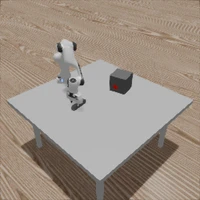


RoboTwin 2.0: A Scalable Data Generator and Benchmark with Strong Domain Randomization for Robust Bimanual Robotic Manipulation
Simulation-based data synthesis has emerged as a powerful paradigm for enhancing real-world robotic manipulation. However, existing synthetic datasets remain insufficient for robust bimanual manipulation due to two challenges: (1) the lack of an efficient, scalable data generation method for novel tasks, and (2) oversimplified simulation environments that fail to capture real-world complexity. We present RoboTwin 2.0, a scalable simulation framework that enables automated, large-scale generation of diverse and realistic data, along with unified evaluation protocols for dual-arm manipulation. We first construct RoboTwin-OD, a large-scale object library comprising 731 instances across 147 categories, each annotated with semantic and manipulation-relevant labels. Building on this foundation, we develop an expert data synthesis pipeline that combines multimodal large language models (MLLMs) with simulation-in-the-loop refinement to generate task-level execution code automatically. To improve sim-to-real transfer, RoboTwin 2.0 incorporates structured domain randomization along five axes: clutter, lighting, background, tabletop height and language instructions, thereby enhancing data diversity and policy robustness. We instantiate this framework across 50 dual-arm tasks spanning five robot embodiments, and pre-collect over 100,000 domain-randomized expert trajectories. Empirical results show a 10.9% gain in code generation success and improved generalization to novel real-world scenarios. A VLA model fine-tuned on our dataset achieves a 367% relative improvement (42.0% vs. 9.0%) on unseen scene real-world tasks, while zero-shot models trained solely on our synthetic data achieve a 228% relative gain, highlighting strong generalization without real-world supervision. We release the data generator, benchmark, dataset, and code to support scalable research in robust bimanual manipulation.



EMMOE: A Comprehensive Benchmark for Embodied Mobile Manipulation in Open Environments
Developing autonomous home robots controlled by natural language has long been a pursuit of human. While advancements in large language models (LLMs) and embodied intelligence make this goal closer, several challenges persist: the lack of a unified benchmark for more complex robot tasks, limited evaluation methods and metrics, data incompatibility between LLMs and mobile manipulation trajectories. To address these issues, we introduce Embodied Mobile Manipulation in Open Environments (EMMOE), which requires agents to interpret user instructions and execute long-horizon everyday tasks in continuous space. EMMOE seamlessly integrates high-level and low-level embodied tasks into a unified framework, along with three new metrics for more diverse assessment. Additionally, we collect EMMOE-100, which features in various task attributes, detailed process annotations, re-plans after failures, and two sub-datasets for LLM training. Furthermore, we design HomieBot, a sophisticated agent system consists of LLM with Direct Preference Optimization (DPO), light weighted navigation and manipulation models, and multiple error detection mechanisms. Finally, we demonstrate HomieBot's performance and the evaluation of different models and policies.

OAKINK2: A Dataset of Bimanual Hands-Object Manipulation in Complex Task Completion
We present OAKINK2, a dataset of bimanual object manipulation tasks for complex daily activities. In pursuit of constructing the complex tasks into a structured representation, OAKINK2 introduces three level of abstraction to organize the manipulation tasks: Affordance, Primitive Task, and Complex Task. OAKINK2 features on an object-centric perspective for decoding the complex tasks, treating them as a sequence of object affordance fulfillment. The first level, Affordance, outlines the functionalities that objects in the scene can afford, the second level, Primitive Task, describes the minimal interaction units that humans interact with the object to achieve its affordance, and the third level, Complex Task, illustrates how Primitive Tasks are composed and interdependent. OAKINK2 dataset provides multi-view image streams and precise pose annotations for the human body, hands and various interacting objects. This extensive collection supports applications such as interaction reconstruction and motion synthesis. Based on the 3-level abstraction of OAKINK2, we explore a task-oriented framework for Complex Task Completion (CTC). CTC aims to generate a sequence of bimanual manipulation to achieve task objectives. Within the CTC framework, we employ Large Language Models (LLMs) to decompose the complex task objectives into sequences of Primitive Tasks and have developed a Motion Fulfillment Model that generates bimanual hand motion for each Primitive Task. OAKINK2 datasets and models are available at https://oakink.net/v2.
Decoding Human Activities: Analyzing Wearable Accelerometer and Gyroscope Data for Activity Recognition
A person's movement or relative positioning effectively generates raw electrical signals that can be read by computing machines to apply various manipulative techniques for the classification of different human activities. In this paper, a stratified multi-structural approach based on a Residual network ensembled with Residual MobileNet is proposed, termed as FusionActNet. The proposed method involves using carefully designed Residual blocks for classifying the static and dynamic activities separately because they have clear and distinct characteristics that set them apart. These networks are trained independently, resulting in two specialized and highly accurate models. These models excel at recognizing activities within a specific superclass by taking advantage of the unique algorithmic benefits of architectural adjustments. Afterward, these two ResNets are passed through a weighted ensemble-based Residual MobileNet. Subsequently, this ensemble proficiently discriminates between a specific static and a specific dynamic activity, which were previously identified based on their distinct feature characteristics in the earlier stage. The proposed model is evaluated using two publicly accessible datasets; namely, UCI HAR and Motion-Sense. Therein, it successfully handled the highly confusing cases of data overlap. Therefore, the proposed approach achieves a state-of-the-art accuracy of 96.71% and 95.35% in the UCI HAR and Motion-Sense datasets respectively.
Fast-UMI: A Scalable and Hardware-Independent Universal Manipulation Interface
Collecting real-world manipulation trajectory data involving robotic arms is essential for developing general-purpose action policies in robotic manipulation, yet such data remains scarce. Existing methods face limitations such as high costs, labor intensity, hardware dependencies, and complex setup requirements involving SLAM algorithms. In this work, we introduce Fast-UMI, an interface-mediated manipulation system comprising two key components: a handheld device operated by humans for data collection and a robot-mounted device used during policy inference. Our approach employs a decoupled design compatible with a wide range of grippers while maintaining consistent observation perspectives, allowing models trained on handheld-collected data to be directly applied to real robots. By directly obtaining the end-effector pose using existing commercial hardware products, we eliminate the need for complex SLAM deployment and calibration, streamlining data processing. Fast-UMI provides supporting software tools for efficient robot learning data collection and conversion, facilitating rapid, plug-and-play functionality. This system offers an efficient and user-friendly tool for robotic learning data acquisition.


Manipulate-to-Navigate: Reinforcement Learning with Visual Affordances and Manipulability Priors
Mobile manipulation in dynamic environments is challenging due to movable obstacles blocking the robot's path. Traditional methods, which treat navigation and manipulation as separate tasks, often fail in such 'manipulate-to-navigate' scenarios, as obstacles must be removed before navigation. In these cases, active interaction with the environment is required to clear obstacles while ensuring sufficient space for movement. To address the manipulate-to-navigate problem, we propose a reinforcement learning-based approach for learning manipulation actions that facilitate subsequent navigation. Our method combines manipulability priors to focus the robot on high manipulability body positions with affordance maps for selecting high-quality manipulation actions. By focusing on feasible and meaningful actions, our approach reduces unnecessary exploration and allows the robot to learn manipulation strategies more effectively. We present two new manipulate-to-navigate simulation tasks called Reach and Door with the Boston Dynamics Spot robot. The first task tests whether the robot can select a good hand position in the target area such that the robot base can move effectively forward while keeping the end effector position fixed. The second task requires the robot to move a door aside in order to clear the navigation path. Both of these tasks need first manipulation and then navigating the base forward. Results show that our method allows a robot to effectively interact with and traverse dynamic environments. Finally, we transfer the learned policy to a real Boston Dynamics Spot robot, which successfully performs the Reach task.
DynaMem: Online Dynamic Spatio-Semantic Memory for Open World Mobile Manipulation
Significant progress has been made in open-vocabulary mobile manipulation, where the goal is for a robot to perform tasks in any environment given a natural language description. However, most current systems assume a static environment, which limits the system's applicability in real-world scenarios where environments frequently change due to human intervention or the robot's own actions. In this work, we present DynaMem, a new approach to open-world mobile manipulation that uses a dynamic spatio-semantic memory to represent a robot's environment. DynaMem constructs a 3D data structure to maintain a dynamic memory of point clouds, and answers open-vocabulary object localization queries using multimodal LLMs or open-vocabulary features generated by state-of-the-art vision-language models. Powered by DynaMem, our robots can explore novel environments, search for objects not found in memory, and continuously update the memory as objects move, appear, or disappear in the scene. We run extensive experiments on the Stretch SE3 robots in three real and nine offline scenes, and achieve an average pick-and-drop success rate of 70% on non-stationary objects, which is more than a 2x improvement over state-of-the-art static systems. Our code as well as our experiment and deployment videos are open sourced and can be found on our project website: https://dynamem.github.io/

FreeTacMan: Robot-free Visuo-Tactile Data Collection System for Contact-rich Manipulation
Enabling robots with contact-rich manipulation remains a pivotal challenge in robot learning, which is substantially hindered by the data collection gap, including its inefficiency and limited sensor setup. While prior work has explored handheld paradigms, their rod-based mechanical structures remain rigid and unintuitive, providing limited tactile feedback and posing challenges for human operators. Motivated by the dexterity and force feedback of human motion, we propose FreeTacMan, a human-centric and robot-free data collection system for accurate and efficient robot manipulation. Concretely, we design a wearable gripper with dual visuo-tactile sensors for data collection, which can be worn by human fingers for intuitive control. A high-precision optical tracking system is introduced to capture end-effector poses while synchronizing visual and tactile feedback simultaneously. We leverage FreeTacMan to collect a large-scale multimodal dataset, comprising over 3000k paired visual-tactile images with end-effector poses, 10k demonstration trajectories across 50 diverse contact-rich manipulation tasks. FreeTacMan achieves multiple improvements in data collection performance compared to prior works, and enables effective policy learning for contact-rich manipulation tasks with self-collected dataset. The full suite of hardware specifications and the dataset will be released to facilitate reproducibility and support research in visuo-tactile manipulation.
TWIST2: Scalable, Portable, and Holistic Humanoid Data Collection System
Large-scale data has driven breakthroughs in robotics, from language models to vision-language-action models in bimanual manipulation. However, humanoid robotics lacks equally effective data collection frameworks. Existing humanoid teleoperation systems either use decoupled control or depend on expensive motion capture setups. We introduce TWIST2, a portable, mocap-free humanoid teleoperation and data collection system that preserves full whole-body control while advancing scalability. Our system leverages PICO4U VR for obtaining real-time whole-body human motions, with a custom 2-DoF robot neck (cost around $250) for egocentric vision, enabling holistic human-to-humanoid control. We demonstrate long-horizon dexterous and mobile humanoid skills and we can collect 100 demonstrations in 15 minutes with an almost 100% success rate. Building on this pipeline, we propose a hierarchical visuomotor policy framework that autonomously controls the full humanoid body based on egocentric vision. Our visuomotor policy successfully demonstrates whole-body dexterous manipulation and dynamic kicking tasks. The entire system is fully reproducible and open-sourced at https://yanjieze.com/TWIST2 . Our collected dataset is also open-sourced at https://twist-data.github.io .
Harmonic Mobile Manipulation
Recent advancements in robotics have enabled robots to navigate complex scenes or manipulate diverse objects independently. However, robots are still impotent in many household tasks requiring coordinated behaviors such as opening doors. The factorization of navigation and manipulation, while effective for some tasks, fails in scenarios requiring coordinated actions. To address this challenge, we introduce, HarmonicMM, an end-to-end learning method that optimizes both navigation and manipulation, showing notable improvement over existing techniques in everyday tasks. This approach is validated in simulated and real-world environments and adapts to novel unseen settings without additional tuning. Our contributions include a new benchmark for mobile manipulation and the successful deployment with only RGB visual observation in a real unseen apartment, demonstrating the potential for practical indoor robot deployment in daily life. More results are on our project site: https://rchalyang.github.io/HarmonicMM/
Vidar: Embodied Video Diffusion Model for Generalist Bimanual Manipulation
Bimanual robotic manipulation, which involves the coordinated control of two robotic arms, is foundational for solving challenging tasks. Despite recent progress in general-purpose manipulation, data scarcity and embodiment heterogeneity remain serious obstacles to further scaling up in bimanual settings. In this paper, we introduce Video Diffusion for Action Reasoning (Vidar), a two-stage framework that leverages large-scale, diffusion-based video pre-training and a novel masked inverse dynamics model for action prediction. We pre-train the video diffusion model on 750K multi-view videos from three real-world bimanual robot platforms, utilizing a unified observation space that encodes robot, camera, task, and scene contexts. Our masked inverse dynamics model learns masks to extract action-relevant information from generated trajectories without requiring pixel-level labels, and the masks can effectively generalize to unseen backgrounds. Our experiments demonstrate that with only 20 minutes of human demonstrations on an unseen robot platform (only 1% of typical data requirements), Vidar generalizes to unseen tasks and backgrounds with strong semantic understanding, surpassing state-of-the-art methods. Our findings highlight the potential of video foundation models, coupled with masked action prediction, to enable scalable and generalizable robotic manipulation in diverse real-world settings.
ODYSSEY: Open-World Quadrupeds Exploration and Manipulation for Long-Horizon Tasks
Language-guided long-horizon mobile manipulation has long been a grand challenge in embodied semantic reasoning, generalizable manipulation, and adaptive locomotion. Three fundamental limitations hinder progress: First, although large language models have improved spatial reasoning and task planning through semantic priors, existing implementations remain confined to tabletop scenarios, failing to address the constrained perception and limited actuation ranges of mobile platforms. Second, current manipulation strategies exhibit insufficient generalization when confronted with the diverse object configurations encountered in open-world environments. Third, while crucial for practical deployment, the dual requirement of maintaining high platform maneuverability alongside precise end-effector control in unstructured settings remains understudied. In this work, we present ODYSSEY, a unified mobile manipulation framework for agile quadruped robots equipped with manipulators, which seamlessly integrates high-level task planning with low-level whole-body control. To address the challenge of egocentric perception in language-conditioned tasks, we introduce a hierarchical planner powered by a vision-language model, enabling long-horizon instruction decomposition and precise action execution. At the control level, our novel whole-body policy achieves robust coordination across challenging terrains. We further present the first benchmark for long-horizon mobile manipulation, evaluating diverse indoor and outdoor scenarios. Through successful sim-to-real transfer, we demonstrate the system's generalization and robustness in real-world deployments, underscoring the practicality of legged manipulators in unstructured environments. Our work advances the feasibility of generalized robotic assistants capable of complex, dynamic tasks. Our project page: https://kaijwang.github.io/odyssey.github.io/


VoxAct-B: Voxel-Based Acting and Stabilizing Policy for Bimanual Manipulation
Bimanual manipulation is critical to many robotics applications. In contrast to single-arm manipulation, bimanual manipulation tasks are challenging due to higher-dimensional action spaces. Prior works leverage large amounts of data and primitive actions to address this problem, but may suffer from sample inefficiency and limited generalization across various tasks. To this end, we propose VoxAct-B, a language-conditioned, voxel-based method that leverages Vision Language Models (VLMs) to prioritize key regions within the scene and reconstruct a voxel grid. We provide this voxel grid to our bimanual manipulation policy to learn acting and stabilizing actions. This approach enables more efficient policy learning from voxels and is generalizable to different tasks. In simulation, we show that VoxAct-B outperforms strong baselines on fine-grained bimanual manipulation tasks. Furthermore, we demonstrate VoxAct-B on real-world Open Drawer and Open Jar tasks using two UR5s. Code, data, and videos are available at https://voxact-b.github.io.

MobileSteward: Integrating Multiple App-Oriented Agents with Self-Evolution to Automate Cross-App Instructions
Mobile phone agents can assist people in automating daily tasks on their phones, which have emerged as a pivotal research spotlight. However, existing procedure-oriented agents struggle with cross-app instructions, due to the following challenges: (1) complex task relationships, (2) diverse app environment, and (3) error propagation and information loss in multi-step execution. Drawing inspiration from object-oriented programming principles, we recognize that object-oriented solutions is more suitable for cross-app instruction. To address these challenges, we propose a self-evolving multi-agent framework named MobileSteward, which integrates multiple app-oriented StaffAgents coordinated by a centralized StewardAgent. We design three specialized modules in MobileSteward: (1) Dynamic Recruitment generates a scheduling graph guided by information flow to explicitly associate tasks among apps. (2) Assigned Execution assigns the task to app-oriented StaffAgents, each equipped with app-specialized expertise to address the diversity between apps. (3) Adjusted Evaluation conducts evaluation to provide reflection tips or deliver key information, which alleviates error propagation and information loss during multi-step execution. To continuously improve the performance of MobileSteward, we develop a Memory-based Self-evolution mechanism, which summarizes the experience from successful execution, to improve the performance of MobileSteward. We establish the first English Cross-APP Benchmark (CAPBench) in the real-world environment to evaluate the agents' capabilities of solving complex cross-app instructions. Experimental results demonstrate that MobileSteward achieves the best performance compared to both single-agent and multi-agent frameworks, highlighting the superiority of MobileSteward in better handling user instructions with diverse complexity.
UIBert: Learning Generic Multimodal Representations for UI Understanding
To improve the accessibility of smart devices and to simplify their usage, building models which understand user interfaces (UIs) and assist users to complete their tasks is critical. However, unique challenges are proposed by UI-specific characteristics, such as how to effectively leverage multimodal UI features that involve image, text, and structural metadata and how to achieve good performance when high-quality labeled data is unavailable. To address such challenges we introduce UIBert, a transformer-based joint image-text model trained through novel pre-training tasks on large-scale unlabeled UI data to learn generic feature representations for a UI and its components. Our key intuition is that the heterogeneous features in a UI are self-aligned, i.e., the image and text features of UI components, are predictive of each other. We propose five pretraining tasks utilizing this self-alignment among different features of a UI component and across various components in the same UI. We evaluate our method on nine real-world downstream UI tasks where UIBert outperforms strong multimodal baselines by up to 9.26% accuracy.

ActionBert: Leveraging User Actions for Semantic Understanding of User Interfaces
As mobile devices are becoming ubiquitous, regularly interacting with a variety of user interfaces (UIs) is a common aspect of daily life for many people. To improve the accessibility of these devices and to enable their usage in a variety of settings, building models that can assist users and accomplish tasks through the UI is vitally important. However, there are several challenges to achieve this. First, UI components of similar appearance can have different functionalities, making understanding their function more important than just analyzing their appearance. Second, domain-specific features like Document Object Model (DOM) in web pages and View Hierarchy (VH) in mobile applications provide important signals about the semantics of UI elements, but these features are not in a natural language format. Third, owing to a large diversity in UIs and absence of standard DOM or VH representations, building a UI understanding model with high coverage requires large amounts of training data. Inspired by the success of pre-training based approaches in NLP for tackling a variety of problems in a data-efficient way, we introduce a new pre-trained UI representation model called ActionBert. Our methodology is designed to leverage visual, linguistic and domain-specific features in user interaction traces to pre-train generic feature representations of UIs and their components. Our key intuition is that user actions, e.g., a sequence of clicks on different UI components, reveals important information about their functionality. We evaluate the proposed model on a wide variety of downstream tasks, ranging from icon classification to UI component retrieval based on its natural language description. Experiments show that the proposed ActionBert model outperforms multi-modal baselines across all downstream tasks by up to 15.5%.
Universal Manipulation Interface: In-The-Wild Robot Teaching Without In-The-Wild Robots
We present Universal Manipulation Interface (UMI) -- a data collection and policy learning framework that allows direct skill transfer from in-the-wild human demonstrations to deployable robot policies. UMI employs hand-held grippers coupled with careful interface design to enable portable, low-cost, and information-rich data collection for challenging bimanual and dynamic manipulation demonstrations. To facilitate deployable policy learning, UMI incorporates a carefully designed policy interface with inference-time latency matching and a relative-trajectory action representation. The resulting learned policies are hardware-agnostic and deployable across multiple robot platforms. Equipped with these features, UMI framework unlocks new robot manipulation capabilities, allowing zero-shot generalizable dynamic, bimanual, precise, and long-horizon behaviors, by only changing the training data for each task. We demonstrate UMI's versatility and efficacy with comprehensive real-world experiments, where policies learned via UMI zero-shot generalize to novel environments and objects when trained on diverse human demonstrations. UMI's hardware and software system is open-sourced at https://umi-gripper.github.io.



Vi-TacMan: Articulated Object Manipulation via Vision and Touch
Autonomous manipulation of articulated objects remains a fundamental challenge for robots in human environments. Vision-based methods can infer hidden kinematics but can yield imprecise estimates on unfamiliar objects. Tactile approaches achieve robust control through contact feedback but require accurate initialization. This suggests a natural synergy: vision for global guidance, touch for local precision. Yet no framework systematically exploits this complementarity for generalized articulated manipulation. Here we present Vi-TacMan, which uses vision to propose grasps and coarse directions that seed a tactile controller for precise execution. By incorporating surface normals as geometric priors and modeling directions via von Mises-Fisher distributions, our approach achieves significant gains over baselines (all p<0.0001). Critically, manipulation succeeds without explicit kinematic models -- the tactile controller refines coarse visual estimates through real-time contact regulation. Tests on more than 50,000 simulated and diverse real-world objects confirm robust cross-category generalization. This work establishes that coarse visual cues suffice for reliable manipulation when coupled with tactile feedback, offering a scalable paradigm for autonomous systems in unstructured environments.
DexHandDiff: Interaction-aware Diffusion Planning for Adaptive Dexterous Manipulation
Dexterous manipulation with contact-rich interactions is crucial for advanced robotics. While recent diffusion-based planning approaches show promise for simple manipulation tasks, they often produce unrealistic ghost states (e.g., the object automatically moves without hand contact) or lack adaptability when handling complex sequential interactions. In this work, we introduce DexHandDiff, an interaction-aware diffusion planning framework for adaptive dexterous manipulation. DexHandDiff models joint state-action dynamics through a dual-phase diffusion process which consists of pre-interaction contact alignment and post-contact goal-directed control, enabling goal-adaptive generalizable dexterous manipulation. Additionally, we incorporate dynamics model-based dual guidance and leverage large language models for automated guidance function generation, enhancing generalizability for physical interactions and facilitating diverse goal adaptation through language cues. Experiments on physical interaction tasks such as door opening, pen and block re-orientation, object relocation, and hammer striking demonstrate DexHandDiff's effectiveness on goals outside training distributions, achieving over twice the average success rate (59.2% vs. 29.5%) compared to existing methods. Our framework achieves an average of 70.7% success rate on goal adaptive dexterous tasks, highlighting its robustness and flexibility in contact-rich manipulation.
Android in the Wild: A Large-Scale Dataset for Android Device Control
There is a growing interest in device-control systems that can interpret human natural language instructions and execute them on a digital device by directly controlling its user interface. We present a dataset for device-control research, Android in the Wild (AITW), which is orders of magnitude larger than current datasets. The dataset contains human demonstrations of device interactions, including the screens and actions, and corresponding natural language instructions. It consists of 715k episodes spanning 30k unique instructions, four versions of Android (v10-13),and eight device types (Pixel 2 XL to Pixel 6) with varying screen resolutions. It contains multi-step tasks that require semantic understanding of language and visual context. This dataset poses a new challenge: actions available through the user interface must be inferred from their visual appearance. And, instead of simple UI element-based actions, the action space consists of precise gestures (e.g., horizontal scrolls to operate carousel widgets). We organize our dataset to encourage robustness analysis of device-control systems, i.e., how well a system performs in the presence of new task descriptions, new applications, or new platform versions. We develop two agents and report performance across the dataset. The dataset is available at https://github.com/google-research/google-research/tree/master/android_in_the_wild.
General In-Hand Object Rotation with Vision and Touch
We introduce RotateIt, a system that enables fingertip-based object rotation along multiple axes by leveraging multimodal sensory inputs. Our system is trained in simulation, where it has access to ground-truth object shapes and physical properties. Then we distill it to operate on realistic yet noisy simulated visuotactile and proprioceptive sensory inputs. These multimodal inputs are fused via a visuotactile transformer, enabling online inference of object shapes and physical properties during deployment. We show significant performance improvements over prior methods and the importance of visual and tactile sensing.

Navigating Interfaces with AI for Enhanced User Interaction
This study introduces an innovative framework designed to automate tasks by interacting with UIs through a sequential, human-like problem-solving approach. Our approach initially transforms UI screenshots into natural language explanations through a vision-based UI analysis, circumventing traditional view hierarchy limitations. It then methodically engages with each interface, guiding the LLM to pinpoint and act on relevant UI elements, thus bolstering both precision and functionality. Employing the ERNIE Bot LLM, our approach has been demonstrated to surpass existing methodologies. It delivers superior UI interpretation across various datasets and exhibits remarkable efficiency in automating varied tasks on an Android smartphone, outperforming human capabilities in intricate tasks and significantly enhancing the PBD process.
Towards a Generalizable Bimanual Foundation Policy via Flow-based Video Prediction
Learning a generalizable bimanual manipulation policy is extremely challenging for embodied agents due to the large action space and the need for coordinated arm movements. Existing approaches rely on Vision-Language-Action (VLA) models to acquire bimanual policies. However, transferring knowledge from single-arm datasets or pre-trained VLA models often fails to generalize effectively, primarily due to the scarcity of bimanual data and the fundamental differences between single-arm and bimanual manipulation. In this paper, we propose a novel bimanual foundation policy by fine-tuning the leading text-to-video models to predict robot trajectories and training a lightweight diffusion policy for action generation. Given the lack of embodied knowledge in text-to-video models, we introduce a two-stage paradigm that fine-tunes independent text-to-flow and flow-to-video models derived from a pre-trained text-to-video model. Specifically, optical flow serves as an intermediate variable, providing a concise representation of subtle movements between images. The text-to-flow model predicts optical flow to concretize the intent of language instructions, and the flow-to-video model leverages this flow for fine-grained video prediction. Our method mitigates the ambiguity of language in single-stage text-to-video prediction and significantly reduces the robot-data requirement by avoiding direct use of low-level actions. In experiments, we collect high-quality manipulation data for real dual-arm robot, and the results of simulation and real-world experiments demonstrate the effectiveness of our method.
ByteWrist: A Parallel Robotic Wrist Enabling Flexible and Anthropomorphic Motion for Confined Spaces
This paper introduces ByteWrist, a novel highly-flexible and anthropomorphic parallel wrist for robotic manipulation. ByteWrist addresses the critical limitations of existing serial and parallel wrists in narrow-space operations through a compact three-stage parallel drive mechanism integrated with arc-shaped end linkages. The design achieves precise RPY (Roll-Pitch-Yaw) motion while maintaining exceptional compactness, making it particularly suitable for complex unstructured environments such as home services, medical assistance, and precision assembly. The key innovations include: (1) a nested three-stage motor-driven linkages that minimize volume while enabling independent multi-DOF control, (2) arc-shaped end linkages that optimize force transmission and expand motion range, and (3) a central supporting ball functioning as a spherical joint that enhances structural stiffness without compromising flexibility. Meanwhile, we present comprehensive kinematic modeling including forward / inverse kinematics and a numerical Jacobian solution for precise control. Empirically, we observe ByteWrist demonstrates strong performance in narrow-space maneuverability and dual-arm cooperative manipulation tasks, outperforming Kinova-based systems. Results indicate significant improvements in compactness, efficiency, and stiffness compared to traditional designs, establishing ByteWrist as a promising solution for next-generation robotic manipulation in constrained environments.

RDT-1B: a Diffusion Foundation Model for Bimanual Manipulation
Bimanual manipulation is essential in robotics, yet developing foundation models is extremely challenging due to the inherent complexity of coordinating two robot arms (leading to multi-modal action distributions) and the scarcity of training data. In this paper, we present the Robotics Diffusion Transformer (RDT), a pioneering diffusion foundation model for bimanual manipulation. RDT builds on diffusion models to effectively represent multi-modality, with innovative designs of a scalable Transformer to deal with the heterogeneity of multi-modal inputs and to capture the nonlinearity and high frequency of robotic data. To address data scarcity, we further introduce a Physically Interpretable Unified Action Space, which can unify the action representations of various robots while preserving the physical meanings of original actions, facilitating learning transferrable physical knowledge. With these designs, we managed to pre-train RDT on the largest collection of multi-robot datasets to date and scaled it up to 1.2B parameters, which is the largest diffusion-based foundation model for robotic manipulation. We finally fine-tuned RDT on a self-created multi-task bimanual dataset with over 6K+ episodes to refine its manipulation capabilities. Experiments on real robots demonstrate that RDT significantly outperforms existing methods. It exhibits zero-shot generalization to unseen objects and scenes, understands and follows language instructions, learns new skills with just 1~5 demonstrations, and effectively handles complex, dexterous tasks. We refer to https://rdt-robotics.github.io/rdt-robotics/ for the code and videos.


End-to-End Dexterous Arm-Hand VLA Policies via Shared Autonomy: VR Teleoperation Augmented by Autonomous Hand VLA Policy for Efficient Data Collection
Achieving human-like dexterous manipulation remains a major challenge for general-purpose robots. While Vision-Language-Action (VLA) models show potential in learning skills from demonstrations, their scalability is limited by scarce high-quality training data. Existing data collection methods face inherent constraints: manual teleoperation overloads human operators, while automated planning often produces unnatural motions. We propose a Shared Autonomy framework that divides control between macro and micro motions. A human operator guides the robot's arm pose through intuitive VR teleoperation, while an autonomous DexGrasp-VLA policy handles fine-grained hand control using real-time tactile and visual feedback. This division significantly reduces cognitive load and enables efficient collection of high-quality coordinated arm-hand demonstrations. Using this data, we train an end-to-end VLA policy enhanced with our novel Arm-Hand Feature Enhancement module, which captures both distinct and shared representations of macro and micro movements for more natural coordination. Our Corrective Teleoperation system enables continuous policy improvement through human-in-the-loop failure recovery. Experiments demonstrate that our framework generates high-quality data with minimal manpower and achieves a 90% success rate across diverse objects, including unseen instances. Comprehensive evaluations validate the system's effectiveness in developing dexterous manipulation capabilities.
DexMimicGen: Automated Data Generation for Bimanual Dexterous Manipulation via Imitation Learning
Imitation learning from human demonstrations is an effective means to teach robots manipulation skills. But data acquisition is a major bottleneck in applying this paradigm more broadly, due to the amount of cost and human effort involved. There has been significant interest in imitation learning for bimanual dexterous robots, like humanoids. Unfortunately, data collection is even more challenging here due to the challenges of simultaneously controlling multiple arms and multi-fingered hands. Automated data generation in simulation is a compelling, scalable alternative to fuel this need for data. To this end, we introduce DexMimicGen, a large-scale automated data generation system that synthesizes trajectories from a handful of human demonstrations for humanoid robots with dexterous hands. We present a collection of simulation environments in the setting of bimanual dexterous manipulation, spanning a range of manipulation behaviors and different requirements for coordination among the two arms. We generate 21K demos across these tasks from just 60 source human demos and study the effect of several data generation and policy learning decisions on agent performance. Finally, we present a real-to-sim-to-real pipeline and deploy it on a real-world humanoid can sorting task. Videos and more are at https://dexmimicgen.github.io/
Spotlight: Mobile UI Understanding using Vision-Language Models with a Focus
Mobile UI understanding is important for enabling various interaction tasks such as UI automation and accessibility. Previous mobile UI modeling often depends on the view hierarchy information of a screen, which directly provides the structural data of the UI, with the hope to bypass challenging tasks of visual modeling from screen pixels. However, view hierarchies are not always available, and are often corrupted with missing object descriptions or misaligned structure information. As a result, despite the use of view hierarchies could offer short-term gains, it may ultimately hinder the applicability and performance of the model. In this paper, we propose Spotlight, a vision-only approach for mobile UI understanding. Specifically, we enhance a vision-language model that only takes the screenshot of the UI and a region of interest on the screen -- the focus -- as the input. This general architecture of Spotlight is easily scalable and capable of performing a range of UI modeling tasks. Our experiments show that our model establishes SoTA results on several representative UI tasks and outperforms previous methods that use both screenshots and view hierarchies as inputs. Furthermore, we explore multi-task learning and few-shot prompting capacities of the proposed models, demonstrating promising results in the multi-task learning direction.
MobileAgent: enhancing mobile control via human-machine interaction and SOP integration
Agents centered around Large Language Models (LLMs) are now capable of automating mobile device operations for users. After fine-tuning to learn a user's mobile operations, these agents can adhere to high-level user instructions online. They execute tasks such as goal decomposition, sequencing of sub-goals, and interactive environmental exploration, until the final objective is achieved. However, privacy concerns related to personalized user data arise during mobile operations, requiring user confirmation. Moreover, users' real-world operations are exploratory, with action data being complex and redundant, posing challenges for agent learning. To address these issues, in our practical application, we have designed interactive tasks between agents and humans to identify sensitive information and align with personalized user needs. Additionally, we integrated Standard Operating Procedure (SOP) information within the model's in-context learning to enhance the agent's comprehension of complex task execution. Our approach is evaluated on the new device control benchmark AitW, which encompasses 30K unique instructions across multi-step tasks, including application operation, web searching, and web shopping. Experimental results show that the SOP-based agent achieves state-of-the-art performance in LLMs without incurring additional inference costs, boasting an overall action success rate of 66.92\%. The code and data examples are available at https://github.com/alipay/mobile-agent.
Explore, Select, Derive, and Recall: Augmenting LLM with Human-like Memory for Mobile Task Automation
The advent of large language models (LLMs) has opened up new opportunities in the field of mobile task automation. Their superior language understanding and reasoning capabilities allow users to automate complex and repetitive tasks. However, due to the inherent unreliability and high operational cost of LLMs, their practical applicability is quite limited. To address these issues, this paper introduces MobileGPT, an innovative LLM-based mobile task automator equipped with a human-like app memory. MobileGPT emulates the cognitive process of humans interacting with a mobile app -- explore, select, derive, and recall. This approach allows for a more precise and efficient learning of a task's procedure by breaking it down into smaller, modular sub-tasks that can be re-used, re-arranged, and adapted for various objectives. We implement MobileGPT using online LLMs services (GPT-3.5 and GPT-4) and evaluate its performance on a dataset of 185 tasks across 18 mobile apps. The results indicate that MobileGPT can automate and learn new tasks with 82.7% accuracy, and is able to adapt them to different contexts with near perfect (98.75%) accuracy while reducing both latency and cost by 62.5% and 68.8%, respectively, compared to the GPT-4 powered baseline.
CPF: Learning a Contact Potential Field to Model the Hand-Object Interaction
Modeling the hand-object (HO) interaction not only requires estimation of the HO pose, but also pays attention to the contact due to their interaction. Significant progress has been made in estimating hand and object separately with deep learning methods, simultaneous HO pose estimation and contact modeling has not yet been fully explored. In this paper, we present an explicit contact representation namely Contact Potential Field (CPF), and a learning-fitting hybrid framework namely MIHO to Modeling the Interaction of Hand and Object. In CPF, we treat each contacting HO vertex pair as a spring-mass system. Hence the whole system forms a potential field with minimal elastic energy at the grasp position. Extensive experiments on the two commonly used benchmarks have demonstrated that our method can achieve state-of-the-art in several reconstruction metrics, and allow us to produce more physically plausible HO pose even when the ground-truth exhibits severe interpenetration or disjointedness. Our code is available at https://github.com/lixiny/CPF.

Object-Centric Dexterous Manipulation from Human Motion Data
Manipulating objects to achieve desired goal states is a basic but important skill for dexterous manipulation. Human hand motions demonstrate proficient manipulation capability, providing valuable data for training robots with multi-finger hands. Despite this potential, substantial challenges arise due to the embodiment gap between human and robot hands. In this work, we introduce a hierarchical policy learning framework that uses human hand motion data for training object-centric dexterous robot manipulation. At the core of our method is a high-level trajectory generative model, learned with a large-scale human hand motion capture dataset, to synthesize human-like wrist motions conditioned on the desired object goal states. Guided by the generated wrist motions, deep reinforcement learning is further used to train a low-level finger controller that is grounded in the robot's embodiment to physically interact with the object to achieve the goal. Through extensive evaluation across 10 household objects, our approach not only demonstrates superior performance but also showcases generalization capability to novel object geometries and goal states. Furthermore, we transfer the learned policies from simulation to a real-world bimanual dexterous robot system, further demonstrating its applicability in real-world scenarios. Project website: https://cypypccpy.github.io/obj-dex.github.io/.

DexH2R: Task-oriented Dexterous Manipulation from Human to Robots
Dexterous manipulation is a critical aspect of human capability, enabling interaction with a wide variety of objects. Recent advancements in learning from human demonstrations and teleoperation have enabled progress for robots in such ability. However, these approaches either require complex data collection such as costly human effort for eye-robot contact, or suffer from poor generalization when faced with novel scenarios. To solve both challenges, we propose a framework, DexH2R, that combines human hand motion retargeting with a task-oriented residual action policy, improving task performance by bridging the embodiment gap between human and robotic dexterous hands. Specifically, DexH2R learns the residual policy directly from retargeted primitive actions and task-oriented rewards, eliminating the need for labor-intensive teleoperation systems. Moreover, we incorporate test-time guidance for novel scenarios by taking in desired trajectories of human hands and objects, allowing the dexterous hand to acquire new skills with high generalizability. Extensive experiments in both simulation and real-world environments demonstrate the effectiveness of our work, outperforming prior state-of-the-arts by 40% across various settings.
BOTH2Hands: Inferring 3D Hands from Both Text Prompts and Body Dynamics
The recently emerging text-to-motion advances have spired numerous attempts for convenient and interactive human motion generation. Yet, existing methods are largely limited to generating body motions only without considering the rich two-hand motions, let alone handling various conditions like body dynamics or texts. To break the data bottleneck, we propose BOTH57M, a novel multi-modal dataset for two-hand motion generation. Our dataset includes accurate motion tracking for the human body and hands and provides pair-wised finger-level hand annotations and body descriptions. We further provide a strong baseline method, BOTH2Hands, for the novel task: generating vivid two-hand motions from both implicit body dynamics and explicit text prompts. We first warm up two parallel body-to-hand and text-to-hand diffusion models and then utilize the cross-attention transformer for motion blending. Extensive experiments and cross-validations demonstrate the effectiveness of our approach and dataset for generating convincing two-hand motions from the hybrid body-and-textual conditions. Our dataset and code will be disseminated to the community for future research.
T-DOM: A Taxonomy for Robotic Manipulation of Deformable Objects
Robotic grasp and manipulation taxonomies, inspired by observing human manipulation strategies, can provide key guidance for tasks ranging from robotic gripper design to the development of manipulation algorithms. The existing grasp and manipulation taxonomies, however, often assume object rigidity, which limits their ability to reason about the complex interactions in the robotic manipulation of deformable objects. Hence, to assist in tasks involving deformable objects, taxonomies need to capture more comprehensively the interactions inherent in deformable object manipulation. To this end, we introduce T-DOM, a taxonomy that analyses key aspects involved in the manipulation of deformable objects, such as robot motion, forces, prehensile and non-prehensile interactions and, for the first time, a detailed classification of object deformations. To evaluate T-DOM, we curate a dataset of ten tasks involving a variety of deformable objects, such as garments, ropes, and surgical gloves, as well as diverse types of deformations. We analyse the proposed tasks comparing the T-DOM taxonomy with previous well established manipulation taxonomies. Our analysis demonstrates that T-DOM can effectively distinguish between manipulation skills that were not identified in other taxonomies, across different deformable objects and manipulation actions, offering new categories to characterize a skill. The proposed taxonomy significantly extends past work, providing a more fine-grained classification that can be used to describe the robotic manipulation of deformable objects. This work establishes a foundation for advancing deformable object manipulation, bridging theoretical understanding and practical implementation in robotic systems.
DexNDM: Closing the Reality Gap for Dexterous In-Hand Rotation via Joint-Wise Neural Dynamics Model
Achieving generalized in-hand object rotation remains a significant challenge in robotics, largely due to the difficulty of transferring policies from simulation to the real world. The complex, contact-rich dynamics of dexterous manipulation create a "reality gap" that has limited prior work to constrained scenarios involving simple geometries, limited object sizes and aspect ratios, constrained wrist poses, or customized hands. We address this sim-to-real challenge with a novel framework that enables a single policy, trained in simulation, to generalize to a wide variety of objects and conditions in the real world. The core of our method is a joint-wise dynamics model that learns to bridge the reality gap by effectively fitting limited amount of real-world collected data and then adapting the sim policy's actions accordingly. The model is highly data-efficient and generalizable across different whole-hand interaction distributions by factorizing dynamics across joints, compressing system-wide influences into low-dimensional variables, and learning each joint's evolution from its own dynamic profile, implicitly capturing these net effects. We pair this with a fully autonomous data collection strategy that gathers diverse, real-world interaction data with minimal human intervention. Our complete pipeline demonstrates unprecedented generality: a single policy successfully rotates challenging objects with complex shapes (e.g., animals), high aspect ratios (up to 5.33), and small sizes, all while handling diverse wrist orientations and rotation axes. Comprehensive real-world evaluations and a teleoperation application for complex tasks validate the effectiveness and robustness of our approach. Website: https://meowuu7.github.io/DexNDM/
Digitizing Touch with an Artificial Multimodal Fingertip
Touch is a crucial sensing modality that provides rich information about object properties and interactions with the physical environment. Humans and robots both benefit from using touch to perceive and interact with the surrounding environment (Johansson and Flanagan, 2009; Li et al., 2020; Calandra et al., 2017). However, no existing systems provide rich, multi-modal digital touch-sensing capabilities through a hemispherical compliant embodiment. Here, we describe several conceptual and technological innovations to improve the digitization of touch. These advances are embodied in an artificial finger-shaped sensor with advanced sensing capabilities. Significantly, this fingertip contains high-resolution sensors (~8.3 million taxels) that respond to omnidirectional touch, capture multi-modal signals, and use on-device artificial intelligence to process the data in real time. Evaluations show that the artificial fingertip can resolve spatial features as small as 7 um, sense normal and shear forces with a resolution of 1.01 mN and 1.27 mN, respectively, perceive vibrations up to 10 kHz, sense heat, and even sense odor. Furthermore, it embeds an on-device AI neural network accelerator that acts as a peripheral nervous system on a robot and mimics the reflex arc found in humans. These results demonstrate the possibility of digitizing touch with superhuman performance. The implications are profound, and we anticipate potential applications in robotics (industrial, medical, agricultural, and consumer-level), virtual reality and telepresence, prosthetics, and e-commerce. Toward digitizing touch at scale, we open-source a modular platform to facilitate future research on the nature of touch.
Proving the Potential of Skeleton Based Action Recognition to Automate the Analysis of Manual Processes
In manufacturing sectors such as textiles and electronics, manual processes are a fundamental part of production. The analysis and monitoring of the processes is necessary for efficient production design. Traditional methods for analyzing manual processes are complex, expensive, and inflexible. Compared to established approaches such as Methods-Time-Measurement (MTM), machine learning (ML) methods promise: Higher flexibility, self-sufficient & permanent use, lower costs. In this work, based on a video stream, the current motion class in a manual assembly process is detected. With information on the current motion, Key-Performance-Indicators (KPIs) can be derived easily. A skeleton-based action recognition approach is taken, as this field recently shows major success in machine vision tasks. For skeleton-based action recognition in manual assembly, no sufficient pre-work could be found. Therefore, a ML pipeline is developed, to enable extensive research on different (pre-) processing methods and neural nets. Suitable well generalizing approaches are found, proving the potential of ML to enhance analyzation of manual processes. Models detect the current motion, performed by an operator in manual assembly, but the results can be transferred to all kinds of manual processes.
ArtiGrasp: Physically Plausible Synthesis of Bi-Manual Dexterous Grasping and Articulation
We present ArtiGrasp, a novel method to synthesize bi-manual hand-object interactions that include grasping and articulation. This task is challenging due to the diversity of the global wrist motions and the precise finger control that are necessary to articulate objects. ArtiGrasp leverages reinforcement learning and physics simulations to train a policy that controls the global and local hand pose. Our framework unifies grasping and articulation within a single policy guided by a single hand pose reference. Moreover, to facilitate the training of the precise finger control required for articulation, we present a learning curriculum with increasing difficulty. It starts with single-hand manipulation of stationary objects and continues with multi-agent training including both hands and non-stationary objects. To evaluate our method, we introduce Dynamic Object Grasping and Articulation, a task that involves bringing an object into a target articulated pose. This task requires grasping, relocation, and articulation. We show our method's efficacy towards this task. We further demonstrate that our method can generate motions with noisy hand-object pose estimates from an off-the-shelf image-based regressor.

Foundations and Recent Trends in Multimodal Mobile Agents: A Survey
Mobile agents are essential for automating tasks in complex and dynamic mobile environments. As foundation models evolve, the demands for agents that can adapt in real-time and process multimodal data have grown. This survey provides a comprehensive review of mobile agent technologies, focusing on recent advancements that enhance real-time adaptability and multimodal interaction. Recent evaluation benchmarks have been developed better to capture the static and interactive environments of mobile tasks, offering more accurate assessments of agents' performance. We then categorize these advancements into two main approaches: prompt-based methods, which utilize large language models (LLMs) for instruction-based task execution, and training-based methods, which fine-tune multimodal models for mobile-specific applications. Additionally, we explore complementary technologies that augment agent performance. By discussing key challenges and outlining future research directions, this survey offers valuable insights for advancing mobile agent technologies. A comprehensive resource list is available at https://github.com/aialt/awesome-mobile-agents
ASSISTGUI: Task-Oriented Desktop Graphical User Interface Automation
Graphical User Interface (GUI) automation holds significant promise for assisting users with complex tasks, thereby boosting human productivity. Existing works leveraging Large Language Model (LLM) or LLM-based AI agents have shown capabilities in automating tasks on Android and Web platforms. However, these tasks are primarily aimed at simple device usage and entertainment operations. This paper presents a novel benchmark, AssistGUI, to evaluate whether models are capable of manipulating the mouse and keyboard on the Windows platform in response to user-requested tasks. We carefully collected a set of 100 tasks from nine widely-used software applications, such as, After Effects and MS Word, each accompanied by the necessary project files for better evaluation. Moreover, we propose an advanced Actor-Critic Embodied Agent framework, which incorporates a sophisticated GUI parser driven by an LLM-agent and an enhanced reasoning mechanism adept at handling lengthy procedural tasks. Our experimental results reveal that our GUI Parser and Reasoning mechanism outshine existing methods in performance. Nevertheless, the potential remains substantial, with the best model attaining only a 46% success rate on our benchmark. We conclude with a thorough analysis of the current methods' limitations, setting the stage for future breakthroughs in this domain.



RoboTwin: Dual-Arm Robot Benchmark with Generative Digital Twins
In the rapidly advancing field of robotics, dual-arm coordination and complex object manipulation are essential capabilities for developing advanced autonomous systems. However, the scarcity of diverse, high-quality demonstration data and real-world-aligned evaluation benchmarks severely limits such development. To address this, we introduce RoboTwin, a generative digital twin framework that uses 3D generative foundation models and large language models to produce diverse expert datasets and provide a real-world-aligned evaluation platform for dual-arm robotic tasks. Specifically, RoboTwin creates varied digital twins of objects from single 2D images, generating realistic and interactive scenarios. It also introduces a spatial relation-aware code generation framework that combines object annotations with large language models to break down tasks, determine spatial constraints, and generate precise robotic movement code. Our framework offers a comprehensive benchmark with both simulated and real-world data, enabling standardized evaluation and better alignment between simulated training and real-world performance. We validated our approach using the open-source COBOT Magic Robot platform. Policies pre-trained on RoboTwin-generated data and fine-tuned with limited real-world samples demonstrate significant potential for enhancing dual-arm robotic manipulation systems by improving success rates by over 70% for single-arm tasks and over 40% for dual-arm tasks compared to models trained solely on real-world data.
Lessons from Learning to Spin "Pens"
In-hand manipulation of pen-like objects is an important skill in our daily lives, as many tools such as hammers and screwdrivers are similarly shaped. However, current learning-based methods struggle with this task due to a lack of high-quality demonstrations and the significant gap between simulation and the real world. In this work, we push the boundaries of learning-based in-hand manipulation systems by demonstrating the capability to spin pen-like objects. We first use reinforcement learning to train an oracle policy with privileged information and generate a high-fidelity trajectory dataset in simulation. This serves two purposes: 1) pre-training a sensorimotor policy in simulation; 2) conducting open-loop trajectory replay in the real world. We then fine-tune the sensorimotor policy using these real-world trajectories to adapt it to the real world dynamics. With less than 50 trajectories, our policy learns to rotate more than ten pen-like objects with different physical properties for multiple revolutions. We present a comprehensive analysis of our design choices and share the lessons learned during development.



SkillBlender: Towards Versatile Humanoid Whole-Body Loco-Manipulation via Skill Blending
Humanoid robots hold significant potential in accomplishing daily tasks across diverse environments thanks to their flexibility and human-like morphology. Recent works have made significant progress in humanoid whole-body control and loco-manipulation leveraging optimal control or reinforcement learning. However, these methods require tedious task-specific tuning for each task to achieve satisfactory behaviors, limiting their versatility and scalability to diverse tasks in daily scenarios. To that end, we introduce SkillBlender, a novel hierarchical reinforcement learning framework for versatile humanoid loco-manipulation. SkillBlender first pretrains goal-conditioned task-agnostic primitive skills, and then dynamically blends these skills to accomplish complex loco-manipulation tasks with minimal task-specific reward engineering. We also introduce SkillBench, a parallel, cross-embodiment, and diverse simulated benchmark containing three embodiments, four primitive skills, and eight challenging loco-manipulation tasks, accompanied by a set of scientific evaluation metrics balancing accuracy and feasibility. Extensive simulated experiments show that our method significantly outperforms all baselines, while naturally regularizing behaviors to avoid reward hacking, resulting in more accurate and feasible movements for diverse loco-manipulation tasks in our daily scenarios. Our code and benchmark will be open-sourced to the community to facilitate future research. Project page: https://usc-gvl.github.io/SkillBlender-web/.


HRT1: One-Shot Human-to-Robot Trajectory Transfer for Mobile Manipulation
We introduce a novel system for human-to-robot trajectory transfer that enables robots to manipulate objects by learning from human demonstration videos. The system consists of four modules. The first module is a data collection module that is designed to collect human demonstration videos from the point of view of a robot using an AR headset. The second module is a video understanding module that detects objects and extracts 3D human-hand trajectories from demonstration videos. The third module transfers a human-hand trajectory into a reference trajectory of a robot end-effector in 3D space. The last module utilizes a trajectory optimization algorithm to solve a trajectory in the robot configuration space that can follow the end-effector trajectory transferred from the human demonstration. Consequently, these modules enable a robot to watch a human demonstration video once and then repeat the same mobile manipulation task in different environments, even when objects are placed differently from the demonstrations. Experiments of different manipulation tasks are conducted on a mobile manipulator to verify the effectiveness of our system

KineDex: Learning Tactile-Informed Visuomotor Policies via Kinesthetic Teaching for Dexterous Manipulation
Collecting demonstrations enriched with fine-grained tactile information is critical for dexterous manipulation, particularly in contact-rich tasks that require precise force control and physical interaction. While prior works primarily focus on teleoperation or video-based retargeting, they often suffer from kinematic mismatches and the absence of real-time tactile feedback, hindering the acquisition of high-fidelity tactile data. To mitigate this issue, we propose KineDex, a hand-over-hand kinesthetic teaching paradigm in which the operator's motion is directly transferred to the dexterous hand, enabling the collection of physically grounded demonstrations enriched with accurate tactile feedback. To resolve occlusions from human hand, we apply inpainting technique to preprocess the visual observations. Based on these demonstrations, we then train a visuomotor policy using tactile-augmented inputs and implement force control during deployment for precise contact-rich manipulation. We evaluate KineDex on a suite of challenging contact-rich manipulation tasks, including particularly difficult scenarios such as squeezing toothpaste onto a toothbrush, which require precise multi-finger coordination and stable force regulation. Across these tasks, KineDex achieves an average success rate of 74.4%, representing a 57.7% improvement over the variant without force control. Comparative experiments with teleoperation and user studies further validate the advantages of KineDex in data collection efficiency and operability. Specifically, KineDex collects data over twice as fast as teleoperation across two tasks of varying difficulty, while maintaining a near-100% success rate, compared to under 50% for teleoperation.
Manual2Skill: Learning to Read Manuals and Acquire Robotic Skills for Furniture Assembly Using Vision-Language Models
Humans possess an extraordinary ability to understand and execute complex manipulation tasks by interpreting abstract instruction manuals. For robots, however, this capability remains a substantial challenge, as they cannot interpret abstract instructions and translate them into executable actions. In this paper, we present Manual2Skill, a novel framework that enables robots to perform complex assembly tasks guided by high-level manual instructions. Our approach leverages a Vision-Language Model (VLM) to extract structured information from instructional images and then uses this information to construct hierarchical assembly graphs. These graphs represent parts, subassemblies, and the relationships between them. To facilitate task execution, a pose estimation model predicts the relative 6D poses of components at each assembly step. At the same time, a motion planning module generates actionable sequences for real-world robotic implementation. We demonstrate the effectiveness of Manual2Skill by successfully assembling several real-world IKEA furniture items. This application highlights its ability to manage long-horizon manipulation tasks with both efficiency and precision, significantly enhancing the practicality of robot learning from instruction manuals. This work marks a step forward in advancing robotic systems capable of understanding and executing complex manipulation tasks in a manner akin to human capabilities.

Adaptive Mobile Manipulation for Articulated Objects In the Open World
Deploying robots in open-ended unstructured environments such as homes has been a long-standing research problem. However, robots are often studied only in closed-off lab settings, and prior mobile manipulation work is restricted to pick-move-place, which is arguably just the tip of the iceberg in this area. In this paper, we introduce Open-World Mobile Manipulation System, a full-stack approach to tackle realistic articulated object operation, e.g. real-world doors, cabinets, drawers, and refrigerators in open-ended unstructured environments. The robot utilizes an adaptive learning framework to initially learns from a small set of data through behavior cloning, followed by learning from online practice on novel objects that fall outside the training distribution. We also develop a low-cost mobile manipulation hardware platform capable of safe and autonomous online adaptation in unstructured environments with a cost of around 20,000 USD. In our experiments we utilize 20 articulate objects across 4 buildings in the CMU campus. With less than an hour of online learning for each object, the system is able to increase success rate from 50% of BC pre-training to 95% using online adaptation. Video results at https://open-world-mobilemanip.github.io/

Mobile-Bench: An Evaluation Benchmark for LLM-based Mobile Agents
With the remarkable advancements of large language models (LLMs), LLM-based agents have become a research hotspot in human-computer interaction. However, there is a scarcity of benchmarks available for LLM-based mobile agents. Benchmarking these agents generally faces three main challenges: (1) The inefficiency of UI-only operations imposes limitations to task evaluation. (2) Specific instructions within a singular application lack adequacy for assessing the multi-dimensional reasoning and decision-making capacities of LLM mobile agents. (3) Current evaluation metrics are insufficient to accurately assess the process of sequential actions. To this end, we propose Mobile-Bench, a novel benchmark for evaluating the capabilities of LLM-based mobile agents. First, we expand conventional UI operations by incorporating 103 collected APIs to accelerate the efficiency of task completion. Subsequently, we collect evaluation data by combining real user queries with augmentation from LLMs. To better evaluate different levels of planning capabilities for mobile agents, our data is categorized into three distinct groups: SAST, SAMT, and MAMT, reflecting varying levels of task complexity. Mobile-Bench comprises 832 data entries, with more than 200 tasks specifically designed to evaluate multi-APP collaboration scenarios. Furthermore, we introduce a more accurate evaluation metric, named CheckPoint, to assess whether LLM-based mobile agents reach essential points during their planning and reasoning steps.
DexCap: Scalable and Portable Mocap Data Collection System for Dexterous Manipulation
Imitation learning from human hand motion data presents a promising avenue for imbuing robots with human-like dexterity in real-world manipulation tasks. Despite this potential, substantial challenges persist, particularly with the portability of existing hand motion capture (mocap) systems and the difficulty of translating mocap data into effective control policies. To tackle these issues, we introduce DexCap, a portable hand motion capture system, alongside DexIL, a novel imitation algorithm for training dexterous robot skills directly from human hand mocap data. DexCap offers precise, occlusion-resistant tracking of wrist and finger motions based on SLAM and electromagnetic field together with 3D observations of the environment. Utilizing this rich dataset, DexIL employs inverse kinematics and point cloud-based imitation learning to replicate human actions with robot hands. Beyond learning from human motion, DexCap also offers an optional human-in-the-loop correction mechanism to refine and further improve robot performance. Through extensive evaluation across six dexterous manipulation tasks, our approach not only demonstrates superior performance but also showcases the system's capability to effectively learn from in-the-wild mocap data, paving the way for future data collection methods for dexterous manipulation. More details can be found at https://dex-cap.github.io
Mobile-Agent-v2: Mobile Device Operation Assistant with Effective Navigation via Multi-Agent Collaboration
Mobile device operation tasks are increasingly becoming a popular multi-modal AI application scenario. Current Multi-modal Large Language Models (MLLMs), constrained by their training data, lack the capability to function effectively as operation assistants. Instead, MLLM-based agents, which enhance capabilities through tool invocation, are gradually being applied to this scenario. However, the two major navigation challenges in mobile device operation tasks, task progress navigation and focus content navigation, are significantly complicated under the single-agent architecture of existing work. This is due to the overly long token sequences and the interleaved text-image data format, which limit performance. To address these navigation challenges effectively, we propose Mobile-Agent-v2, a multi-agent architecture for mobile device operation assistance. The architecture comprises three agents: planning agent, decision agent, and reflection agent. The planning agent generates task progress, making the navigation of history operations more efficient. To retain focus content, we design a memory unit that updates with task progress. Additionally, to correct erroneous operations, the reflection agent observes the outcomes of each operation and handles any mistakes accordingly. Experimental results indicate that Mobile-Agent-v2 achieves over a 30% improvement in task completion compared to the single-agent architecture of Mobile-Agent. The code is open-sourced at https://github.com/X-PLUG/MobileAgent.


DexterityGen: Foundation Controller for Unprecedented Dexterity
Teaching robots dexterous manipulation skills, such as tool use, presents a significant challenge. Current approaches can be broadly categorized into two strategies: human teleoperation (for imitation learning) and sim-to-real reinforcement learning. The first approach is difficult as it is hard for humans to produce safe and dexterous motions on a different embodiment without touch feedback. The second RL-based approach struggles with the domain gap and involves highly task-specific reward engineering on complex tasks. Our key insight is that RL is effective at learning low-level motion primitives, while humans excel at providing coarse motion commands for complex, long-horizon tasks. Therefore, the optimal solution might be a combination of both approaches. In this paper, we introduce DexterityGen (DexGen), which uses RL to pretrain large-scale dexterous motion primitives, such as in-hand rotation or translation. We then leverage this learned dataset to train a dexterous foundational controller. In the real world, we use human teleoperation as a prompt to the controller to produce highly dexterous behavior. We evaluate the effectiveness of DexGen in both simulation and real world, demonstrating that it is a general-purpose controller that can realize input dexterous manipulation commands and significantly improves stability by 10-100x measured as duration of holding objects across diverse tasks. Notably, with DexGen we demonstrate unprecedented dexterous skills including diverse object reorientation and dexterous tool use such as pen, syringe, and screwdriver for the first time.
Benchmarking Mobile Device Control Agents across Diverse Configurations
Developing autonomous agents for mobile devices can significantly enhance user interactions by offering increased efficiency and accessibility. However, despite the growing interest in mobile device control agents, the absence of a commonly adopted benchmark makes it challenging to quantify scientific progress in this area. In this work, we introduce B-MoCA: a novel benchmark designed specifically for evaluating mobile device control agents. To create a realistic benchmark, we develop B-MoCA based on the Android operating system and define 60 common daily tasks. Importantly, we incorporate a randomization feature that changes various aspects of mobile devices, including user interface layouts and language settings, to assess generalization performance. We benchmark diverse agents, including agents employing large language models (LLMs) or multi-modal LLMs as well as agents trained from scratch using human expert demonstrations. While these agents demonstrate proficiency in executing straightforward tasks, their poor performance on complex tasks highlights significant opportunities for future research to enhance their effectiveness. Our source code is publicly available at https://b-moca.github.io.
Bag All You Need: Learning a Generalizable Bagging Strategy for Heterogeneous Objects
We introduce a practical robotics solution for the task of heterogeneous bagging, requiring the placement of multiple rigid and deformable objects into a deformable bag. This is a difficult task as it features complex interactions between multiple highly deformable objects under limited observability. To tackle these challenges, we propose a robotic system consisting of two learned policies: a rearrangement policy that learns to place multiple rigid objects and fold deformable objects in order to achieve desirable pre-bagging conditions, and a lifting policy to infer suitable grasp points for bi-manual bag lifting. We evaluate these learned policies on a real-world three-arm robot platform that achieves a 70% heterogeneous bagging success rate with novel objects. To facilitate future research and comparison, we also develop a novel heterogeneous bagging simulation benchmark that will be made publicly available.
Towards a Unified Understanding of Robot Manipulation: A Comprehensive Survey
Embodied intelligence has witnessed remarkable progress in recent years, driven by advances in computer vision, natural language processing, and the rise of large-scale multimodal models. Among its core challenges, robot manipulation stands out as a fundamental yet intricate problem, requiring the seamless integration of perception, planning, and control to enable interaction within diverse and unstructured environments. This survey presents a comprehensive overview of robotic manipulation, encompassing foundational background, task-organized benchmarks and datasets, and a unified taxonomy of existing methods. We extend the classical division between high-level planning and low-level control by broadening high-level planning to include language, code, motion, affordance, and 3D representations, while introducing a new taxonomy of low-level learning-based control grounded in training paradigms such as input modeling, latent learning, and policy learning. Furthermore, we provide the first dedicated taxonomy of key bottlenecks, focusing on data collection, utilization, and generalization, and conclude with an extensive review of real-world applications. Compared with prior surveys, our work offers both a broader scope and deeper insight, serving as an accessible roadmap for newcomers and a structured reference for experienced researchers. All related resources, including research papers, open-source datasets, and projects, are curated for the community at https://github.com/BaiShuanghao/Awesome-Robotics-Manipulation.


On Bringing Robots Home
Throughout history, we have successfully integrated various machines into our homes. Dishwashers, laundry machines, stand mixers, and robot vacuums are a few recent examples. However, these machines excel at performing only a single task effectively. The concept of a "generalist machine" in homes - a domestic assistant that can adapt and learn from our needs, all while remaining cost-effective - has long been a goal in robotics that has been steadily pursued for decades. In this work, we initiate a large-scale effort towards this goal by introducing Dobb-E, an affordable yet versatile general-purpose system for learning robotic manipulation within household settings. Dobb-E can learn a new task with only five minutes of a user showing it how to do it, thanks to a demonstration collection tool ("The Stick") we built out of cheap parts and iPhones. We use the Stick to collect 13 hours of data in 22 homes of New York City, and train Home Pretrained Representations (HPR). Then, in a novel home environment, with five minutes of demonstrations and fifteen minutes of adapting the HPR model, we show that Dobb-E can reliably solve the task on the Stretch, a mobile robot readily available on the market. Across roughly 30 days of experimentation in homes of New York City and surrounding areas, we test our system in 10 homes, with a total of 109 tasks in different environments, and finally achieve a success rate of 81%. Beyond success percentages, our experiments reveal a plethora of unique challenges absent or ignored in lab robotics. These range from effects of strong shadows, to variable demonstration quality by non-expert users. With the hope of accelerating research on home robots, and eventually seeing robot butlers in every home, we open-source Dobb-E software stack and models, our data, and our hardware designs at https://dobb-e.com

Adaptive Visuo-Tactile Fusion with Predictive Force Attention for Dexterous Manipulation
Effectively utilizing multi-sensory data is important for robots to generalize across diverse tasks. However, the heterogeneous nature of these modalities makes fusion challenging. Existing methods propose strategies to obtain comprehensively fused features but often ignore the fact that each modality requires different levels of attention at different manipulation stages. To address this, we propose a force-guided attention fusion module that adaptively adjusts the weights of visual and tactile features without human labeling. We also introduce a self-supervised future force prediction auxiliary task to reinforce the tactile modality, improve data imbalance, and encourage proper adjustment. Our method achieves an average success rate of 93% across three fine-grained, contactrich tasks in real-world experiments. Further analysis shows that our policy appropriately adjusts attention to each modality at different manipulation stages. The videos can be viewed at https://adaptac-dex.github.io/.

MyoDex: A Generalizable Prior for Dexterous Manipulation
Human dexterity is a hallmark of motor control. Our hands can rapidly synthesize new behaviors despite the complexity (multi-articular and multi-joints, with 23 joints controlled by more than 40 muscles) of musculoskeletal sensory-motor circuits. In this work, we take inspiration from how human dexterity builds on a diversity of prior experiences, instead of being acquired through a single task. Motivated by this observation, we set out to develop agents that can build upon their previous experience to quickly acquire new (previously unattainable) behaviors. Specifically, our approach leverages multi-task learning to implicitly capture task-agnostic behavioral priors (MyoDex) for human-like dexterity, using a physiologically realistic human hand model - MyoHand. We demonstrate MyoDex's effectiveness in few-shot generalization as well as positive transfer to a large repertoire of unseen dexterous manipulation tasks. Agents leveraging MyoDex can solve approximately 3x more tasks, and 4x faster in comparison to a distillation baseline. While prior work has synthesized single musculoskeletal control behaviors, MyoDex is the first generalizable manipulation prior that catalyzes the learning of dexterous physiological control across a large variety of contact-rich behaviors. We also demonstrate the effectiveness of our paradigms beyond musculoskeletal control towards the acquisition of dexterity in 24 DoF Adroit Hand. Website: https://sites.google.com/view/myodex
HomeRobot: Open-Vocabulary Mobile Manipulation
HomeRobot (noun): An affordable compliant robot that navigates homes and manipulates a wide range of objects in order to complete everyday tasks. Open-Vocabulary Mobile Manipulation (OVMM) is the problem of picking any object in any unseen environment, and placing it in a commanded location. This is a foundational challenge for robots to be useful assistants in human environments, because it involves tackling sub-problems from across robotics: perception, language understanding, navigation, and manipulation are all essential to OVMM. In addition, integration of the solutions to these sub-problems poses its own substantial challenges. To drive research in this area, we introduce the HomeRobot OVMM benchmark, where an agent navigates household environments to grasp novel objects and place them on target receptacles. HomeRobot has two components: a simulation component, which uses a large and diverse curated object set in new, high-quality multi-room home environments; and a real-world component, providing a software stack for the low-cost Hello Robot Stretch to encourage replication of real-world experiments across labs. We implement both reinforcement learning and heuristic (model-based) baselines and show evidence of sim-to-real transfer. Our baselines achieve a 20% success rate in the real world; our experiments identify ways future research work improve performance. See videos on our website: https://ovmm.github.io/.



TidyBot: Personalized Robot Assistance with Large Language Models
For a robot to personalize physical assistance effectively, it must learn user preferences that can be generally reapplied to future scenarios. In this work, we investigate personalization of household cleanup with robots that can tidy up rooms by picking up objects and putting them away. A key challenge is determining the proper place to put each object, as people's preferences can vary greatly depending on personal taste or cultural background. For instance, one person may prefer storing shirts in the drawer, while another may prefer them on the shelf. We aim to build systems that can learn such preferences from just a handful of examples via prior interactions with a particular person. We show that robots can combine language-based planning and perception with the few-shot summarization capabilities of large language models (LLMs) to infer generalized user preferences that are broadly applicable to future interactions. This approach enables fast adaptation and achieves 91.2% accuracy on unseen objects in our benchmark dataset. We also demonstrate our approach on a real-world mobile manipulator called TidyBot, which successfully puts away 85.0% of objects in real-world test scenarios.


Enhancing UI Location Capabilities of Autonomous Agents
With the growing reliance on digital devices equipped with graphical user interfaces (GUIs), such as computers and smartphones, the need for effective automation tools has become increasingly important. Although multimodal large language models (MLLMs) like GPT-4V excel at tasks such as drafting emails, they struggle with GUI interactions, which limits their effectiveness in automating everyday tasks. In this paper, we introduce ClickAgent, a novel framework for building autonomous agents. In ClickAgent, the MLLM handles reasoning and action planning, while a separate UI location model (e.g., SeeClick) identifies the relevant UI elements on the screen. This approach addresses a key limitation of current-generation MLLMs: their difficulty in accurately locating UI elements. ClickAgent significantly outperforms other prompt-based autonomous agents (such as CogAgent, AppAgent, and Auto-UI) on the AITW benchmark. Our evaluation was conducted on both an Android smartphone emulator and an actual Android smartphone, using the task success rate as the key metric for measuring agent performance.

DexUMI: Using Human Hand as the Universal Manipulation Interface for Dexterous Manipulation
We present DexUMI - a data collection and policy learning framework that uses the human hand as the natural interface to transfer dexterous manipulation skills to various robot hands. DexUMI includes hardware and software adaptations to minimize the embodiment gap between the human hand and various robot hands. The hardware adaptation bridges the kinematics gap using a wearable hand exoskeleton. It allows direct haptic feedback in manipulation data collection and adapts human motion to feasible robot hand motion. The software adaptation bridges the visual gap by replacing the human hand in video data with high-fidelity robot hand inpainting. We demonstrate DexUMI's capabilities through comprehensive real-world experiments on two different dexterous robot hand hardware platforms, achieving an average task success rate of 86%.

EgoMimic: Scaling Imitation Learning via Egocentric Video
The scale and diversity of demonstration data required for imitation learning is a significant challenge. We present EgoMimic, a full-stack framework which scales manipulation via human embodiment data, specifically egocentric human videos paired with 3D hand tracking. EgoMimic achieves this through: (1) a system to capture human embodiment data using the ergonomic Project Aria glasses, (2) a low-cost bimanual manipulator that minimizes the kinematic gap to human data, (3) cross-domain data alignment techniques, and (4) an imitation learning architecture that co-trains on human and robot data. Compared to prior works that only extract high-level intent from human videos, our approach treats human and robot data equally as embodied demonstration data and learns a unified policy from both data sources. EgoMimic achieves significant improvement on a diverse set of long-horizon, single-arm and bimanual manipulation tasks over state-of-the-art imitation learning methods and enables generalization to entirely new scenes. Finally, we show a favorable scaling trend for EgoMimic, where adding 1 hour of additional hand data is significantly more valuable than 1 hour of additional robot data. Videos and additional information can be found at https://egomimic.github.io/
DexWild: Dexterous Human Interactions for In-the-Wild Robot Policies
Large-scale, diverse robot datasets have emerged as a promising path toward enabling dexterous manipulation policies to generalize to novel environments, but acquiring such datasets presents many challenges. While teleoperation provides high-fidelity datasets, its high cost limits its scalability. Instead, what if people could use their own hands, just as they do in everyday life, to collect data? In DexWild, a diverse team of data collectors uses their hands to collect hours of interactions across a multitude of environments and objects. To record this data, we create DexWild-System, a low-cost, mobile, and easy-to-use device. The DexWild learning framework co-trains on both human and robot demonstrations, leading to improved performance compared to training on each dataset individually. This combination results in robust robot policies capable of generalizing to novel environments, tasks, and embodiments with minimal additional robot-specific data. Experimental results demonstrate that DexWild significantly improves performance, achieving a 68.5% success rate in unseen environments-nearly four times higher than policies trained with robot data only-and offering 5.8x better cross-embodiment generalization. Video results, codebases, and instructions at https://dexwild.github.io
ACE: A Cross-Platform Visual-Exoskeletons System for Low-Cost Dexterous Teleoperation
Learning from demonstrations has shown to be an effective approach to robotic manipulation, especially with the recently collected large-scale robot data with teleoperation systems. Building an efficient teleoperation system across diverse robot platforms has become more crucial than ever. However, there is a notable lack of cost-effective and user-friendly teleoperation systems for different end-effectors, e.g., anthropomorphic robot hands and grippers, that can operate across multiple platforms. To address this issue, we develop ACE, a cross-platform visual-exoskeleton system for low-cost dexterous teleoperation. Our system utilizes a hand-facing camera to capture 3D hand poses and an exoskeleton mounted on a portable base, enabling accurate real-time capture of both finger and wrist poses. Compared to previous systems, which often require hardware customization according to different robots, our single system can generalize to humanoid hands, arm-hands, arm-gripper, and quadruped-gripper systems with high-precision teleoperation. This enables imitation learning for complex manipulation tasks on diverse platforms.
DexCanvas: Bridging Human Demonstrations and Robot Learning for Dexterous Manipulation
We present DexCanvas, a large-scale hybrid real-synthetic human manipulation dataset containing 7,000 hours of dexterous hand-object interactions seeded from 70 hours of real human demonstrations, organized across 21 fundamental manipulation types based on the Cutkosky taxonomy. Each entry combines synchronized multi-view RGB-D, high-precision mocap with MANO hand parameters, and per-frame contact points with physically consistent force profiles. Our real-to-sim pipeline uses reinforcement learning to train policies that control an actuated MANO hand in physics simulation, reproducing human demonstrations while discovering the underlying contact forces that generate the observed object motion. DexCanvas is the first manipulation dataset to combine large-scale real demonstrations, systematic skill coverage based on established taxonomies, and physics-validated contact annotations. The dataset can facilitate research in robotic manipulation learning, contact-rich control, and skill transfer across different hand morphologies.
Language-Grounded Dynamic Scene Graphs for Interactive Object Search with Mobile Manipulation
To fully leverage the capabilities of mobile manipulation robots, it is imperative that they are able to autonomously execute long-horizon tasks in large unexplored environments. While large language models (LLMs) have shown emergent reasoning skills on arbitrary tasks, existing work primarily concentrates on explored environments, typically focusing on either navigation or manipulation tasks in isolation. In this work, we propose MoMa-LLM, a novel approach that grounds language models within structured representations derived from open-vocabulary scene graphs, dynamically updated as the environment is explored. We tightly interleave these representations with an object-centric action space. The resulting approach is zero-shot, open-vocabulary, and readily extendable to a spectrum of mobile manipulation and household robotic tasks. We demonstrate the effectiveness of MoMa-LLM in a novel semantic interactive search task in large realistic indoor environments. In extensive experiments in both simulation and the real world, we show substantially improved search efficiency compared to conventional baselines and state-of-the-art approaches, as well as its applicability to more abstract tasks. We make the code publicly available at http://moma-llm.cs.uni-freiburg.de.
H-RDT: Human Manipulation Enhanced Bimanual Robotic Manipulation
Imitation learning for robotic manipulation faces a fundamental challenge: the scarcity of large-scale, high-quality robot demonstration data. Recent robotic foundation models often pre-train on cross-embodiment robot datasets to increase data scale, while they face significant limitations as the diverse morphologies and action spaces across different robot embodiments make unified training challenging. In this paper, we present H-RDT (Human to Robotics Diffusion Transformer), a novel approach that leverages human manipulation data to enhance robot manipulation capabilities. Our key insight is that large-scale egocentric human manipulation videos with paired 3D hand pose annotations provide rich behavioral priors that capture natural manipulation strategies and can benefit robotic policy learning. We introduce a two-stage training paradigm: (1) pre-training on large-scale egocentric human manipulation data, and (2) cross-embodiment fine-tuning on robot-specific data with modular action encoders and decoders. Built on a diffusion transformer architecture with 2B parameters, H-RDT uses flow matching to model complex action distributions. Extensive evaluations encompassing both simulation and real-world experiments, single-task and multitask scenarios, as well as few-shot learning and robustness assessments, demonstrate that H-RDT outperforms training from scratch and existing state-of-the-art methods, including Pi0 and RDT, achieving significant improvements of 13.9% and 40.5% over training from scratch in simulation and real-world experiments, respectively. The results validate our core hypothesis that human manipulation data can serve as a powerful foundation for learning bimanual robotic manipulation policies.
TOUCH: Text-guided Controllable Generation of Free-Form Hand-Object Interactions
Hand-object interaction (HOI) is fundamental for humans to express intent. Existing HOI generation research is predominantly confined to fixed grasping patterns, where control is tied to physical priors such as force closure or generic intent instructions, even when expressed through elaborate language. Such an overly general conditioning imposes a strong inductive bias for stable grasps, thus failing to capture the diversity of daily HOI. To address these limitations, we introduce Free-Form HOI Generation, which aims to generate controllable, diverse, and physically plausible HOI conditioned on fine-grained intent, extending HOI from grasping to free-form interactions, like pushing, poking, and rotating. To support this task, we construct WildO2, an in-the-wild diverse 3D HOI dataset, which includes diverse HOI derived from internet videos. Specifically, it contains 4.4k unique interactions across 92 intents and 610 object categories, each with detailed semantic annotations. Building on this dataset, we propose TOUCH, a three-stage framework centered on a multi-level diffusion model that facilitates fine-grained semantic control to generate versatile hand poses beyond grasping priors. This process leverages explicit contact modeling for conditioning and is subsequently refined with contact consistency and physical constraints to ensure realism. Comprehensive experiments demonstrate our method's ability to generate controllable, diverse, and physically plausible hand interactions representative of daily activities. The project page is https://guangyid.github.io/hoi123touch{here}.

2HandedAfforder: Learning Precise Actionable Bimanual Affordances from Human Videos
When interacting with objects, humans effectively reason about which regions of objects are viable for an intended action, i.e., the affordance regions of the object. They can also account for subtle differences in object regions based on the task to be performed and whether one or two hands need to be used. However, current vision-based affordance prediction methods often reduce the problem to naive object part segmentation. In this work, we propose a framework for extracting affordance data from human activity video datasets. Our extracted 2HANDS dataset contains precise object affordance region segmentations and affordance class-labels as narrations of the activity performed. The data also accounts for bimanual actions, i.e., two hands co-ordinating and interacting with one or more objects. We present a VLM-based affordance prediction model, 2HandedAfforder, trained on the dataset and demonstrate superior performance over baselines in affordance region segmentation for various activities. Finally, we show that our predicted affordance regions are actionable, i.e., can be used by an agent performing a task, through demonstration in robotic manipulation scenarios.

Twisting Lids Off with Two Hands
Manipulating objects with two multi-fingered hands has been a long-standing challenge in robotics, attributed to the contact-rich nature of many manipulation tasks and the complexity inherent in coordinating a high-dimensional bimanual system. In this work, we consider the problem of twisting lids of various bottle-like objects with two hands, and demonstrate that policies trained in simulation using deep reinforcement learning can be effectively transferred to the real world. With novel engineering insights into physical modeling, real-time perception, and reward design, the policy demonstrates generalization capabilities across a diverse set of unseen objects, showcasing dynamic and dexterous behaviors. Our findings serve as compelling evidence that deep reinforcement learning combined with sim-to-real transfer remains a promising approach for addressing manipulation problems of unprecedented complexity.
Grasping Diverse Objects with Simulated Humanoids
We present a method for controlling a simulated humanoid to grasp an object and move it to follow an object trajectory. Due to the challenges in controlling a humanoid with dexterous hands, prior methods often use a disembodied hand and only consider vertical lifts or short trajectories. This limited scope hampers their applicability for object manipulation required for animation and simulation. To close this gap, we learn a controller that can pick up a large number (>1200) of objects and carry them to follow randomly generated trajectories. Our key insight is to leverage a humanoid motion representation that provides human-like motor skills and significantly speeds up training. Using only simplistic reward, state, and object representations, our method shows favorable scalability on diverse object and trajectories. For training, we do not need dataset of paired full-body motion and object trajectories. At test time, we only require the object mesh and desired trajectories for grasping and transporting. To demonstrate the capabilities of our method, we show state-of-the-art success rates in following object trajectories and generalizing to unseen objects. Code and models will be released.

MimicDroid: In-Context Learning for Humanoid Robot Manipulation from Human Play Videos
We aim to enable humanoid robots to efficiently solve new manipulation tasks from a few video examples. In-context learning (ICL) is a promising framework for achieving this goal due to its test-time data efficiency and rapid adaptability. However, current ICL methods rely on labor-intensive teleoperated data for training, which restricts scalability. We propose using human play videos -- continuous, unlabeled videos of people interacting freely with their environment -- as a scalable and diverse training data source. We introduce MimicDroid, which enables humanoids to perform ICL using human play videos as the only training data. MimicDroid extracts trajectory pairs with similar manipulation behaviors and trains the policy to predict the actions of one trajectory conditioned on the other. Through this process, the model acquired ICL capabilities for adapting to novel objects and environments at test time. To bridge the embodiment gap, MimicDroid first retargets human wrist poses estimated from RGB videos to the humanoid, leveraging kinematic similarity. It also applies random patch masking during training to reduce overfitting to human-specific cues and improve robustness to visual differences. To evaluate few-shot learning for humanoids, we introduce an open-source simulation benchmark with increasing levels of generalization difficulty. MimicDroid outperformed state-of-the-art methods and achieved nearly twofold higher success rates in the real world. Additional materials can be found on: ut-austin-rpl.github.io/MimicDroid
Synchronize Dual Hands for Physics-Based Dexterous Guitar Playing
We present a novel approach to synthesize dexterous motions for physically simulated hands in tasks that require coordination between the control of two hands with high temporal precision. Instead of directly learning a joint policy to control two hands, our approach performs bimanual control through cooperative learning where each hand is treated as an individual agent. The individual policies for each hand are first trained separately, and then synchronized through latent space manipulation in a centralized environment to serve as a joint policy for two-hand control. By doing so, we avoid directly performing policy learning in the joint state-action space of two hands with higher dimensions, greatly improving the overall training efficiency. We demonstrate the effectiveness of our proposed approach in the challenging guitar-playing task. The virtual guitarist trained by our approach can synthesize motions from unstructured reference data of general guitar-playing practice motions, and accurately play diverse rhythms with complex chord pressing and string picking patterns based on the input guitar tabs that do not exist in the references. Along with this paper, we provide the motion capture data that we collected as the reference for policy training. Code is available at: https://pei-xu.github.io/guitar.

ParaHome: Parameterizing Everyday Home Activities Towards 3D Generative Modeling of Human-Object Interactions
To enable machines to learn how humans interact with the physical world in our daily activities, it is crucial to provide rich data that encompasses the 3D motion of humans as well as the motion of objects in a learnable 3D representation. Ideally, this data should be collected in a natural setup, capturing the authentic dynamic 3D signals during human-object interactions. To address this challenge, we introduce the ParaHome system, designed to capture and parameterize dynamic 3D movements of humans and objects within a common home environment. Our system consists of a multi-view setup with 70 synchronized RGB cameras, as well as wearable motion capture devices equipped with an IMU-based body suit and hand motion capture gloves. By leveraging the ParaHome system, we collect a novel large-scale dataset of human-object interaction. Notably, our dataset offers key advancement over existing datasets in three main aspects: (1) capturing 3D body and dexterous hand manipulation motion alongside 3D object movement within a contextual home environment during natural activities; (2) encompassing human interaction with multiple objects in various episodic scenarios with corresponding descriptions in texts; (3) including articulated objects with multiple parts expressed with parameterized articulations. Building upon our dataset, we introduce new research tasks aimed at building a generative model for learning and synthesizing human-object interactions in a real-world room setting.
WildLMa: Long Horizon Loco-Manipulation in the Wild
`In-the-wild' mobile manipulation aims to deploy robots in diverse real-world environments, which requires the robot to (1) have skills that generalize across object configurations; (2) be capable of long-horizon task execution in diverse environments; and (3) perform complex manipulation beyond pick-and-place. Quadruped robots with manipulators hold promise for extending the workspace and enabling robust locomotion, but existing results do not investigate such a capability. This paper proposes WildLMa with three components to address these issues: (1) adaptation of learned low-level controller for VR-enabled whole-body teleoperation and traversability; (2) WildLMa-Skill -- a library of generalizable visuomotor skills acquired via imitation learning or heuristics and (3) WildLMa-Planner -- an interface of learned skills that allow LLM planners to coordinate skills for long-horizon tasks. We demonstrate the importance of high-quality training data by achieving higher grasping success rate over existing RL baselines using only tens of demonstrations. WildLMa exploits CLIP for language-conditioned imitation learning that empirically generalizes to objects unseen in training demonstrations. Besides extensive quantitative evaluation, we qualitatively demonstrate practical robot applications, such as cleaning up trash in university hallways or outdoor terrains, operating articulated objects, and rearranging items on a bookshelf.


ForceVLA: Enhancing VLA Models with a Force-aware MoE for Contact-rich Manipulation
Vision-Language-Action (VLA) models have advanced general-purpose robotic manipulation by leveraging pretrained visual and linguistic representations. However, they struggle with contact-rich tasks that require fine-grained control involving force, especially under visual occlusion or dynamic uncertainty. To address these limitations, we propose ForceVLA, a novel end-to-end manipulation framework that treats external force sensing as a first-class modality within VLA systems. ForceVLA introduces FVLMoE, a force-aware Mixture-of-Experts fusion module that dynamically integrates pretrained visual-language embeddings with real-time 6-axis force feedback during action decoding. This enables context-aware routing across modality-specific experts, enhancing the robot's ability to adapt to subtle contact dynamics. We also introduce ForceVLA-Data, a new dataset comprising synchronized vision, proprioception, and force-torque signals across five contact-rich manipulation tasks. ForceVLA improves average task success by 23.2\% over strong pi_0-based baselines, achieving up to 80\% success in tasks such as plug insertion. Our approach highlights the importance of multimodal integration for dexterous manipulation and sets a new benchmark for physically intelligent robotic control. Code and data will be released at https://sites.google.com/view/forcevla2025.
Being-H0: Vision-Language-Action Pretraining from Large-Scale Human Videos
We introduce Being-H0, a dexterous Vision-Language-Action model (VLA) trained on large-scale human videos. Existing VLAs struggle with complex manipulation tasks requiring high dexterity and generalize poorly to novel scenarios and tasks, primarily due to their reliance on synthetic data with significant sim-to-real gaps or teleoperated demonstrations lacking scale and diversity. To address this data bottleneck, we propose leveraging human hands as a foundation manipulator, capitalizing on the rich dexterity and scalability present in web data. Our approach centers on physical instruction tuning, a novel training paradigm that combines large-scale VLA pretraining from human videos, physical space alignment for 3D reasoning, and post-training adaptation for robotic tasks. Additionally, we introduce a part-level motion tokenization method which achieves millimeter-level reconstruction accuracy to model precise hand trajectories for action learning. To support our proposed paradigm, we further develop a comprehensive data curation pipeline that integrates heterogeneous sources -- including motion capture, VR, and RGB-only videos -- into a large-scale dataset with millions of motion-based instructional instances. We empirically show the excellence of Being-H0 in hand motion generation and instruction following, and it also scales well with model and data sizes. Importantly, we observe the expected gains of Being-H0 in real-world robotic manipulation as physical instruction tuning is applied. More details are available at https://beingbeyond.github.io/Being-H0.

Being-0: A Humanoid Robotic Agent with Vision-Language Models and Modular Skills
Building autonomous robotic agents capable of achieving human-level performance in real-world embodied tasks is an ultimate goal in humanoid robot research. Recent advances have made significant progress in high-level cognition with Foundation Models (FMs) and low-level skill development for humanoid robots. However, directly combining these components often results in poor robustness and efficiency due to compounding errors in long-horizon tasks and the varied latency of different modules. We introduce Being-0, a hierarchical agent framework that integrates an FM with a modular skill library. The FM handles high-level cognitive tasks such as instruction understanding, task planning, and reasoning, while the skill library provides stable locomotion and dexterous manipulation for low-level control. To bridge the gap between these levels, we propose a novel Connector module, powered by a lightweight vision-language model (VLM). The Connector enhances the FM's embodied capabilities by translating language-based plans into actionable skill commands and dynamically coordinating locomotion and manipulation to improve task success. With all components, except the FM, deployable on low-cost onboard computation devices, Being-0 achieves efficient, real-time performance on a full-sized humanoid robot equipped with dexterous hands and active vision. Extensive experiments in large indoor environments demonstrate Being-0's effectiveness in solving complex, long-horizon tasks that require challenging navigation and manipulation subtasks. For further details and videos, visit https://beingbeyond.github.io/being-0.



AnywhereVLA: Language-Conditioned Exploration and Mobile Manipulation
We address natural language pick-and-place in unseen, unpredictable indoor environments with AnywhereVLA, a modular framework for mobile manipulation. A user text prompt serves as an entry point and is parsed into a structured task graph that conditions classical SLAM with LiDAR and cameras, metric semantic mapping, and a task-aware frontier exploration policy. An approach planner then selects visibility and reachability aware pre grasp base poses. For interaction, a compact SmolVLA manipulation head is fine tuned on platform pick and place trajectories for the SO-101 by TheRobotStudio, grounding local visual context and sub-goals into grasp and place proposals. The full system runs fully onboard on consumer-level hardware, with Jetson Orin NX for perception and VLA and an Intel NUC for SLAM, exploration, and control, sustaining real-time operation. We evaluated AnywhereVLA in a multi-room lab under static scenes and normal human motion. In this setting, the system achieves a 46% overall task success rate while maintaining throughput on embedded compute. By combining a classical stack with a fine-tuned VLA manipulation, the system inherits the reliability of geometry-based navigation with the agility and task generalization of language-conditioned manipulation.
In-Hand Object Rotation via Rapid Motor Adaptation
Generalized in-hand manipulation has long been an unsolved challenge of robotics. As a small step towards this grand goal, we demonstrate how to design and learn a simple adaptive controller to achieve in-hand object rotation using only fingertips. The controller is trained entirely in simulation on only cylindrical objects, which then - without any fine-tuning - can be directly deployed to a real robot hand to rotate dozens of objects with diverse sizes, shapes, and weights over the z-axis. This is achieved via rapid online adaptation of the controller to the object properties using only proprioception history. Furthermore, natural and stable finger gaits automatically emerge from training the control policy via reinforcement learning. Code and more videos are available at https://haozhi.io/hora
META-GUI: Towards Multi-modal Conversational Agents on Mobile GUI
Task-oriented dialogue (TOD) systems have been widely used by mobile phone intelligent assistants to accomplish tasks such as calendar scheduling or hotel reservation. Current TOD systems usually focus on multi-turn text/speech interaction, then they would call back-end APIs designed for TODs to perform the task. However, this API-based architecture greatly limits the information-searching capability of intelligent assistants and may even lead to task failure if TOD-specific APIs are not available or the task is too complicated to be executed by the provided APIs. In this paper, we propose a new TOD architecture: GUI-based task-oriented dialogue system (GUI-TOD). A GUI-TOD system can directly perform GUI operations on real APPs and execute tasks without invoking TOD-specific backend APIs. Furthermore, we release META-GUI, a dataset for training a Multi-modal convErsaTional Agent on mobile GUI. We also propose a multi-model action prediction and response model, which show promising results on META-GUI. The dataset, codes and leaderboard are publicly available.

OWMM-Agent: Open World Mobile Manipulation With Multi-modal Agentic Data Synthesis
The rapid progress of navigation, manipulation, and vision models has made mobile manipulators capable in many specialized tasks. However, the open-world mobile manipulation (OWMM) task remains a challenge due to the need for generalization to open-ended instructions and environments, as well as the systematic complexity to integrate high-level decision making with low-level robot control based on both global scene understanding and current agent state. To address this complexity, we propose a novel multi-modal agent architecture that maintains multi-view scene frames and agent states for decision-making and controls the robot by function calling. A second challenge is the hallucination from domain shift. To enhance the agent performance, we further introduce an agentic data synthesis pipeline for the OWMM task to adapt the VLM model to our task domain with instruction fine-tuning. We highlight our fine-tuned OWMM-VLM as the first dedicated foundation model for mobile manipulators with global scene understanding, robot state tracking, and multi-modal action generation in a unified model. Through experiments, we demonstrate that our model achieves SOTA performance compared to other foundation models including GPT-4o and strong zero-shot generalization in real world. The project page is at https://github.com/HHYHRHY/OWMM-Agent


LlamaTouch: A Faithful and Scalable Testbed for Mobile UI Task Automation
The emergent large language/multimodal models facilitate the evolution of mobile agents, especially in mobile UI task automation. However, existing evaluation approaches, which rely on human validation or established datasets to compare agent-predicted actions with predefined action sequences, are unscalable and unfaithful. To overcome these limitations, this paper presents LlamaTouch, a testbed for on-device mobile UI task execution and faithful, scalable task evaluation. By observing that the task execution process only transfers UI states, LlamaTouch employs a novel evaluation approach that only assesses whether an agent traverses all manually annotated, essential application/system states. LlamaTouch comprises three key techniques: (1) On-device task execution that enables mobile agents to interact with realistic mobile environments for task execution. (2) Fine-grained UI component annotation that merges pixel-level screenshots and textual screen hierarchies to explicitly identify and precisely annotate essential UI components with a rich set of designed annotation primitives. (3) A multi-level application state matching algorithm that utilizes exact and fuzzy matching to accurately detect critical information in each screen, even with unpredictable UI layout/content dynamics. LlamaTouch currently incorporates four mobile agents and 496 tasks, encompassing both tasks in the widely-used datasets and our self-constructed ones to cover more diverse mobile applications. Evaluation results demonstrate LlamaTouch's high faithfulness of evaluation in real-world mobile environments and its better scalability than human validation. LlamaTouch also enables easy task annotation and integration of new mobile agents. Code and dataset are publicly available at https://github.com/LlamaTouch/LlamaTouch.
Humanoid Everyday: A Comprehensive Robotic Dataset for Open-World Humanoid Manipulation
From loco-motion to dextrous manipulation, humanoid robots have made remarkable strides in demonstrating complex full-body capabilities. However, the majority of current robot learning datasets and benchmarks mainly focus on stationary robot arms, and the few existing humanoid datasets are either confined to fixed environments or limited in task diversity, often lacking human-humanoid interaction and lower-body locomotion. Moreover, there are a few standardized evaluation platforms for benchmarking learning-based policies on humanoid data. In this work, we present Humanoid Everyday, a large-scale and diverse humanoid manipulation dataset characterized by extensive task variety involving dextrous object manipulation, human-humanoid interaction, locomotion-integrated actions, and more. Leveraging a highly efficient human-supervised teleoperation pipeline, Humanoid Everyday aggregates high-quality multimodal sensory data, including RGB, depth, LiDAR, and tactile inputs, together with natural language annotations, comprising 10.3k trajectories and over 3 million frames of data across 260 tasks across 7 broad categories. In addition, we conduct an analysis of representative policy learning methods on our dataset, providing insights into their strengths and limitations across different task categories. For standardized evaluation, we introduce a cloud-based evaluation platform that allows researchers to seamlessly deploy their policies in our controlled setting and receive performance feedback. By releasing Humanoid Everyday along with our policy learning analysis and a standardized cloud-based evaluation platform, we intend to advance research in general-purpose humanoid manipulation and lay the groundwork for more capable and embodied robotic agents in real-world scenarios. Our dataset, data collection code, and cloud evaluation website are made publicly available on our project website.
Whole-body Motion Control of an Omnidirectional Wheel-Legged Mobile Manipulator via Contact-Aware Dynamic Optimization
Wheel-legged robots with integrated manipulators hold great promise for mobile manipulation in logistics, industrial automation, and human-robot collaboration. However, unified control of such systems remains challenging due to the redundancy in degrees of freedom, complex wheel-ground contact dynamics, and the need for seamless coordination between locomotion and manipulation. In this work, we present the design and whole-body motion control of an omnidirectional wheel-legged quadrupedal robot equipped with a dexterous manipulator. The proposed platform incorporates independently actuated steering modules and hub-driven wheels, enabling agile omnidirectional locomotion with high maneuverability in structured environments. To address the challenges of contact-rich interaction, we develop a contact-aware whole-body dynamic optimization framework that integrates point-contact modeling for manipulation with line-contact modeling for wheel-ground interactions. A warm-start strategy is introduced to accelerate online optimization, ensuring real-time feasibility for high-dimensional control. Furthermore, a unified kinematic model tailored for the robot's 4WIS-4WID actuation scheme eliminates the need for mode switching across different locomotion strategies, improving control consistency and robustness. Simulation and experimental results validate the effectiveness of the proposed framework, demonstrating agile terrain traversal, high-speed omnidirectional mobility, and precise manipulation under diverse scenarios, underscoring the system's potential for factory automation, urban logistics, and service robotics in semi-structured environments.