
new
Get trending papers in your email inbox once a day!
Get trending papers in your email inbox!
Subscribe
NUWA-Infinity: Autoregressive over Autoregressive Generation for Infinite Visual Synthesis
In this paper, we present NUWA-Infinity, a generative model for infinite visual synthesis, which is defined as the task of generating arbitrarily-sized high-resolution images or long-duration videos. An autoregressive over autoregressive generation mechanism is proposed to deal with this variable-size generation task, where a global patch-level autoregressive model considers the dependencies between patches, and a local token-level autoregressive model considers dependencies between visual tokens within each patch. A Nearby Context Pool (NCP) is introduced to cache-related patches already generated as the context for the current patch being generated, which can significantly save computation costs without sacrificing patch-level dependency modeling. An Arbitrary Direction Controller (ADC) is used to decide suitable generation orders for different visual synthesis tasks and learn order-aware positional embeddings. Compared to DALL-E, Imagen and Parti, NUWA-Infinity can generate high-resolution images with arbitrary sizes and support long-duration video generation additionally. Compared to NUWA, which also covers images and videos, NUWA-Infinity has superior visual synthesis capabilities in terms of resolution and variable-size generation. The GitHub link is https://github.com/microsoft/NUWA. The homepage link is https://nuwa-infinity.microsoft.com.
Is One GPU Enough? Pushing Image Generation at Higher-Resolutions with Foundation Models
In this work, we introduce Pixelsmith, a zero-shot text-to-image generative framework to sample images at higher resolutions with a single GPU. We are the first to show that it is possible to scale the output of a pre-trained diffusion model by a factor of 1000, opening the road for gigapixel image generation at no additional cost. Our cascading method uses the image generated at the lowest resolution as a baseline to sample at higher resolutions. For the guidance, we introduce the Slider, a tunable mechanism that fuses the overall structure contained in the first-generated image with enhanced fine details. At each inference step, we denoise patches rather than the entire latent space, minimizing memory demands such that a single GPU can handle the process, regardless of the image's resolution. Our experimental results show that Pixelsmith not only achieves higher quality and diversity compared to existing techniques, but also reduces sampling time and artifacts. The code for our work is available at https://github.com/Thanos-DB/Pixelsmith.
Efficient Scale-Invariant Generator with Column-Row Entangled Pixel Synthesis
Any-scale image synthesis offers an efficient and scalable solution to synthesize photo-realistic images at any scale, even going beyond 2K resolution. However, existing GAN-based solutions depend excessively on convolutions and a hierarchical architecture, which introduce inconsistency and the ``texture sticking" issue when scaling the output resolution. From another perspective, INR-based generators are scale-equivariant by design, but their huge memory footprint and slow inference hinder these networks from being adopted in large-scale or real-time systems. In this work, we propose Column-Row Entangled Pixel Synthesis (CREPS), a new generative model that is both efficient and scale-equivariant without using any spatial convolutions or coarse-to-fine design. To save memory footprint and make the system scalable, we employ a novel bi-line representation that decomposes layer-wise feature maps into separate ``thick" column and row encodings. Experiments on various datasets, including FFHQ, LSUN-Church, MetFaces, and Flickr-Scenery, confirm CREPS' ability to synthesize scale-consistent and alias-free images at any arbitrary resolution with proper training and inference speed. Code is available at https://github.com/VinAIResearch/CREPS.


Color Alignment in Diffusion
Diffusion models have shown great promise in synthesizing visually appealing images. However, it remains challenging to condition the synthesis at a fine-grained level, for instance, synthesizing image pixels following some generic color pattern. Existing image synthesis methods often produce contents that fall outside the desired pixel conditions. To address this, we introduce a novel color alignment algorithm that confines the generative process in diffusion models within a given color pattern. Specifically, we project diffusion terms, either imagery samples or latent representations, into a conditional color space to align with the input color distribution. This strategy simplifies the prediction in diffusion models within a color manifold while still allowing plausible structures in generated contents, thus enabling the generation of diverse contents that comply with the target color pattern. Experimental results demonstrate our state-of-the-art performance in conditioning and controlling of color pixels, while maintaining on-par generation quality and diversity in comparison with regular diffusion models.
Any-Size-Diffusion: Toward Efficient Text-Driven Synthesis for Any-Size HD Images
Stable diffusion, a generative model used in text-to-image synthesis, frequently encounters resolution-induced composition problems when generating images of varying sizes. This issue primarily stems from the model being trained on pairs of single-scale images and their corresponding text descriptions. Moreover, direct training on images of unlimited sizes is unfeasible, as it would require an immense number of text-image pairs and entail substantial computational expenses. To overcome these challenges, we propose a two-stage pipeline named Any-Size-Diffusion (ASD), designed to efficiently generate well-composed images of any size, while minimizing the need for high-memory GPU resources. Specifically, the initial stage, dubbed Any Ratio Adaptability Diffusion (ARAD), leverages a selected set of images with a restricted range of ratios to optimize the text-conditional diffusion model, thereby improving its ability to adjust composition to accommodate diverse image sizes. To support the creation of images at any desired size, we further introduce a technique called Fast Seamless Tiled Diffusion (FSTD) at the subsequent stage. This method allows for the rapid enlargement of the ASD output to any high-resolution size, avoiding seaming artifacts or memory overloads. Experimental results on the LAION-COCO and MM-CelebA-HQ benchmarks demonstrate that ASD can produce well-structured images of arbitrary sizes, cutting down the inference time by 2x compared to the traditional tiled algorithm.
Factorized Diffusion: Perceptual Illusions by Noise Decomposition
Given a factorization of an image into a sum of linear components, we present a zero-shot method to control each individual component through diffusion model sampling. For example, we can decompose an image into low and high spatial frequencies and condition these components on different text prompts. This produces hybrid images, which change appearance depending on viewing distance. By decomposing an image into three frequency subbands, we can generate hybrid images with three prompts. We also use a decomposition into grayscale and color components to produce images whose appearance changes when they are viewed in grayscale, a phenomena that naturally occurs under dim lighting. And we explore a decomposition by a motion blur kernel, which produces images that change appearance under motion blurring. Our method works by denoising with a composite noise estimate, built from the components of noise estimates conditioned on different prompts. We also show that for certain decompositions, our method recovers prior approaches to compositional generation and spatial control. Finally, we show that we can extend our approach to generate hybrid images from real images. We do this by holding one component fixed and generating the remaining components, effectively solving an inverse problem.

UltraPixel: Advancing Ultra-High-Resolution Image Synthesis to New Peaks
Ultra-high-resolution image generation poses great challenges, such as increased semantic planning complexity and detail synthesis difficulties, alongside substantial training resource demands. We present UltraPixel, a novel architecture utilizing cascade diffusion models to generate high-quality images at multiple resolutions (e.g., 1K to 6K) within a single model, while maintaining computational efficiency. UltraPixel leverages semantics-rich representations of lower-resolution images in the later denoising stage to guide the whole generation of highly detailed high-resolution images, significantly reducing complexity. Furthermore, we introduce implicit neural representations for continuous upsampling and scale-aware normalization layers adaptable to various resolutions. Notably, both low- and high-resolution processes are performed in the most compact space, sharing the majority of parameters with less than 3% additional parameters for high-resolution outputs, largely enhancing training and inference efficiency. Our model achieves fast training with reduced data requirements, producing photo-realistic high-resolution images and demonstrating state-of-the-art performance in extensive experiments.
Infinity: Scaling Bitwise AutoRegressive Modeling for High-Resolution Image Synthesis
We present Infinity, a Bitwise Visual AutoRegressive Modeling capable of generating high-resolution, photorealistic images following language instruction. Infinity redefines visual autoregressive model under a bitwise token prediction framework with an infinite-vocabulary tokenizer & classifier and bitwise self-correction mechanism, remarkably improving the generation capacity and details. By theoretically scaling the tokenizer vocabulary size to infinity and concurrently scaling the transformer size, our method significantly unleashes powerful scaling capabilities compared to vanilla VAR. Infinity sets a new record for autoregressive text-to-image models, outperforming top-tier diffusion models like SD3-Medium and SDXL. Notably, Infinity surpasses SD3-Medium by improving the GenEval benchmark score from 0.62 to 0.73 and the ImageReward benchmark score from 0.87 to 0.96, achieving a win rate of 66%. Without extra optimization, Infinity generates a high-quality 1024x1024 image in 0.8 seconds, making it 2.6x faster than SD3-Medium and establishing it as the fastest text-to-image model. Models and codes will be released to promote further exploration of Infinity for visual generation and unified tokenizer modeling.


InfinityStar: Unified Spacetime AutoRegressive Modeling for Visual Generation
We introduce InfinityStar, a unified spacetime autoregressive framework for high-resolution image and dynamic video synthesis. Building on the recent success of autoregressive modeling in both vision and language, our purely discrete approach jointly captures spatial and temporal dependencies within a single architecture. This unified design naturally supports a variety of generation tasks such as text-to-image, text-to-video, image-to-video, and long interactive video synthesis via straightforward temporal autoregression. Extensive experiments demonstrate that InfinityStar scores 83.74 on VBench, outperforming all autoregressive models by large margins, even surpassing some diffusion competitors like HunyuanVideo. Without extra optimizations, our model generates a 5s, 720p video approximately 10x faster than leading diffusion-based methods. To our knowledge, InfinityStar is the first discrete autoregressive video generator capable of producing industrial level 720p videos. We release all code and models to foster further research in efficient, high-quality video generation.
SAMPLING: Scene-adaptive Hierarchical Multiplane Images Representation for Novel View Synthesis from a Single Image
Recent novel view synthesis methods obtain promising results for relatively small scenes, e.g., indoor environments and scenes with a few objects, but tend to fail for unbounded outdoor scenes with a single image as input. In this paper, we introduce SAMPLING, a Scene-adaptive Hierarchical Multiplane Images Representation for Novel View Synthesis from a Single Image based on improved multiplane images (MPI). Observing that depth distribution varies significantly for unbounded outdoor scenes, we employ an adaptive-bins strategy for MPI to arrange planes in accordance with each scene image. To represent intricate geometry and multi-scale details, we further introduce a hierarchical refinement branch, which results in high-quality synthesized novel views. Our method demonstrates considerable performance gains in synthesizing large-scale unbounded outdoor scenes using a single image on the KITTI dataset and generalizes well to the unseen Tanks and Temples dataset.The code and models will soon be made available.
PixelFlow: Pixel-Space Generative Models with Flow
We present PixelFlow, a family of image generation models that operate directly in the raw pixel space, in contrast to the predominant latent-space models. This approach simplifies the image generation process by eliminating the need for a pre-trained Variational Autoencoder (VAE) and enabling the whole model end-to-end trainable. Through efficient cascade flow modeling, PixelFlow achieves affordable computation cost in pixel space. It achieves an FID of 1.98 on 256times256 ImageNet class-conditional image generation benchmark. The qualitative text-to-image results demonstrate that PixelFlow excels in image quality, artistry, and semantic control. We hope this new paradigm will inspire and open up new opportunities for next-generation visual generation models. Code and models are available at https://github.com/ShoufaChen/PixelFlow.


Real-Time Neural Rasterization for Large Scenes
We propose a new method for realistic real-time novel-view synthesis (NVS) of large scenes. Existing neural rendering methods generate realistic results, but primarily work for small scale scenes (<50 square meters) and have difficulty at large scale (>10000 square meters). Traditional graphics-based rasterization rendering is fast for large scenes but lacks realism and requires expensive manually created assets. Our approach combines the best of both worlds by taking a moderate-quality scaffold mesh as input and learning a neural texture field and shader to model view-dependant effects to enhance realism, while still using the standard graphics pipeline for real-time rendering. Our method outperforms existing neural rendering methods, providing at least 30x faster rendering with comparable or better realism for large self-driving and drone scenes. Our work is the first to enable real-time rendering of large real-world scenes.
WorldGrow: Generating Infinite 3D World
We tackle the challenge of generating the infinitely extendable 3D world -- large, continuous environments with coherent geometry and realistic appearance. Existing methods face key challenges: 2D-lifting approaches suffer from geometric and appearance inconsistencies across views, 3D implicit representations are hard to scale up, and current 3D foundation models are mostly object-centric, limiting their applicability to scene-level generation. Our key insight is leveraging strong generation priors from pre-trained 3D models for structured scene block generation. To this end, we propose WorldGrow, a hierarchical framework for unbounded 3D scene synthesis. Our method features three core components: (1) a data curation pipeline that extracts high-quality scene blocks for training, making the 3D structured latent representations suitable for scene generation; (2) a 3D block inpainting mechanism that enables context-aware scene extension; and (3) a coarse-to-fine generation strategy that ensures both global layout plausibility and local geometric/textural fidelity. Evaluated on the large-scale 3D-FRONT dataset, WorldGrow achieves SOTA performance in geometry reconstruction, while uniquely supporting infinite scene generation with photorealistic and structurally consistent outputs. These results highlight its capability for constructing large-scale virtual environments and potential for building future world models.

Long-Term Photometric Consistent Novel View Synthesis with Diffusion Models
Novel view synthesis from a single input image is a challenging task, where the goal is to generate a new view of a scene from a desired camera pose that may be separated by a large motion. The highly uncertain nature of this synthesis task due to unobserved elements within the scene (i.e. occlusion) and outside the field-of-view makes the use of generative models appealing to capture the variety of possible outputs. In this paper, we propose a novel generative model capable of producing a sequence of photorealistic images consistent with a specified camera trajectory, and a single starting image. Our approach is centred on an autoregressive conditional diffusion-based model capable of interpolating visible scene elements, and extrapolating unobserved regions in a view, in a geometrically consistent manner. Conditioning is limited to an image capturing a single camera view and the (relative) pose of the new camera view. To measure the consistency over a sequence of generated views, we introduce a new metric, the thresholded symmetric epipolar distance (TSED), to measure the number of consistent frame pairs in a sequence. While previous methods have been shown to produce high quality images and consistent semantics across pairs of views, we show empirically with our metric that they are often inconsistent with the desired camera poses. In contrast, we demonstrate that our method produces both photorealistic and view-consistent imagery.
ScaleCrafter: Tuning-free Higher-Resolution Visual Generation with Diffusion Models
In this work, we investigate the capability of generating images from pre-trained diffusion models at much higher resolutions than the training image sizes. In addition, the generated images should have arbitrary image aspect ratios. When generating images directly at a higher resolution, 1024 x 1024, with the pre-trained Stable Diffusion using training images of resolution 512 x 512, we observe persistent problems of object repetition and unreasonable object structures. Existing works for higher-resolution generation, such as attention-based and joint-diffusion approaches, cannot well address these issues. As a new perspective, we examine the structural components of the U-Net in diffusion models and identify the crucial cause as the limited perception field of convolutional kernels. Based on this key observation, we propose a simple yet effective re-dilation that can dynamically adjust the convolutional perception field during inference. We further propose the dispersed convolution and noise-damped classifier-free guidance, which can enable ultra-high-resolution image generation (e.g., 4096 x 4096). Notably, our approach does not require any training or optimization. Extensive experiments demonstrate that our approach can address the repetition issue well and achieve state-of-the-art performance on higher-resolution image synthesis, especially in texture details. Our work also suggests that a pre-trained diffusion model trained on low-resolution images can be directly used for high-resolution visual generation without further tuning, which may provide insights for future research on ultra-high-resolution image and video synthesis.



InfGen: A Resolution-Agnostic Paradigm for Scalable Image Synthesis
Arbitrary resolution image generation provides a consistent visual experience across devices, having extensive applications for producers and consumers. Current diffusion models increase computational demand quadratically with resolution, causing 4K image generation delays over 100 seconds. To solve this, we explore the second generation upon the latent diffusion models, where the fixed latent generated by diffusion models is regarded as the content representation and we propose to decode arbitrary resolution images with a compact generated latent using a one-step generator. Thus, we present the InfGen, replacing the VAE decoder with the new generator, for generating images at any resolution from a fixed-size latent without retraining the diffusion models, which simplifies the process, reducing computational complexity and can be applied to any model using the same latent space. Experiments show InfGen is capable of improving many models into the arbitrary high-resolution era while cutting 4K image generation time to under 10 seconds.


Native-Resolution Image Synthesis
We introduce native-resolution image synthesis, a novel generative modeling paradigm that enables the synthesis of images at arbitrary resolutions and aspect ratios. This approach overcomes the limitations of conventional fixed-resolution, square-image methods by natively handling variable-length visual tokens, a core challenge for traditional techniques. To this end, we introduce the Native-resolution diffusion Transformer (NiT), an architecture designed to explicitly model varying resolutions and aspect ratios within its denoising process. Free from the constraints of fixed formats, NiT learns intrinsic visual distributions from images spanning a broad range of resolutions and aspect ratios. Notably, a single NiT model simultaneously achieves the state-of-the-art performance on both ImageNet-256x256 and 512x512 benchmarks. Surprisingly, akin to the robust zero-shot capabilities seen in advanced large language models, NiT, trained solely on ImageNet, demonstrates excellent zero-shot generalization performance. It successfully generates high-fidelity images at previously unseen high resolutions (e.g., 1536 x 1536) and diverse aspect ratios (e.g., 16:9, 3:1, 4:3), as shown in Figure 1. These findings indicate the significant potential of native-resolution modeling as a bridge between visual generative modeling and advanced LLM methodologies.

RTMV: A Ray-Traced Multi-View Synthetic Dataset for Novel View Synthesis
We present a large-scale synthetic dataset for novel view synthesis consisting of ~300k images rendered from nearly 2000 complex scenes using high-quality ray tracing at high resolution (1600 x 1600 pixels). The dataset is orders of magnitude larger than existing synthetic datasets for novel view synthesis, thus providing a large unified benchmark for both training and evaluation. Using 4 distinct sources of high-quality 3D meshes, the scenes of our dataset exhibit challenging variations in camera views, lighting, shape, materials, and textures. Because our dataset is too large for existing methods to process, we propose Sparse Voxel Light Field (SVLF), an efficient voxel-based light field approach for novel view synthesis that achieves comparable performance to NeRF on synthetic data, while being an order of magnitude faster to train and two orders of magnitude faster to render. SVLF achieves this speed by relying on a sparse voxel octree, careful voxel sampling (requiring only a handful of queries per ray), and reduced network structure; as well as ground truth depth maps at training time. Our dataset is generated by NViSII, a Python-based ray tracing renderer, which is designed to be simple for non-experts to use and share, flexible and powerful through its use of scripting, and able to create high-quality and physically-based rendered images. Experiments with a subset of our dataset allow us to compare standard methods like NeRF and mip-NeRF for single-scene modeling, and pixelNeRF for category-level modeling, pointing toward the need for future improvements in this area.
Tiled Multiplane Images for Practical 3D Photography
The task of synthesizing novel views from a single image has useful applications in virtual reality and mobile computing, and a number of approaches to the problem have been proposed in recent years. A Multiplane Image (MPI) estimates the scene as a stack of RGBA layers, and can model complex appearance effects, anti-alias depth errors and synthesize soft edges better than methods that use textured meshes or layered depth images. And unlike neural radiance fields, an MPI can be efficiently rendered on graphics hardware. However, MPIs are highly redundant and require a large number of depth layers to achieve plausible results. Based on the observation that the depth complexity in local image regions is lower than that over the entire image, we split an MPI into many small, tiled regions, each with only a few depth planes. We call this representation a Tiled Multiplane Image (TMPI). We propose a method for generating a TMPI with adaptive depth planes for single-view 3D photography in the wild. Our synthesized results are comparable to state-of-the-art single-view MPI methods while having lower computational overhead.
Ultra-High-Resolution Image Synthesis: Data, Method and Evaluation
Ultra-high-resolution image synthesis holds significant potential, yet remains an underexplored challenge due to the absence of standardized benchmarks and computational constraints. In this paper, we establish Aesthetic-4K, a meticulously curated dataset containing dedicated training and evaluation subsets specifically designed for comprehensive research on ultra-high-resolution image synthesis. This dataset consists of high-quality 4K images accompanied by descriptive captions generated by GPT-4o. Furthermore, we propose Diffusion-4K, an innovative framework for the direct generation of ultra-high-resolution images. Our approach incorporates the Scale Consistent Variational Auto-Encoder (SC-VAE) and Wavelet-based Latent Fine-tuning (WLF), which are designed for efficient visual token compression and the capture of intricate details in ultra-high-resolution images, thereby facilitating direct training with photorealistic 4K data. This method is applicable to various latent diffusion models and demonstrates its efficacy in synthesizing highly detailed 4K images. Additionally, we propose novel metrics, namely the GLCM Score and Compression Ratio, to assess the texture richness and fine details in local patches, in conjunction with holistic measures such as FID, Aesthetics, and CLIPScore, enabling a thorough and multifaceted evaluation of ultra-high-resolution image synthesis. Consequently, Diffusion-4K achieves impressive performance in ultra-high-resolution image synthesis, particularly when powered by state-of-the-art large-scale diffusion models (eg, Flux-12B). The source code is publicly available at https://github.com/zhang0jhon/diffusion-4k.

Real-time High-resolution View Synthesis of Complex Scenes with Explicit 3D Visibility Reasoning
Rendering photo-realistic novel-view images of complex scenes has been a long-standing challenge in computer graphics. In recent years, great research progress has been made on enhancing rendering quality and accelerating rendering speed in the realm of view synthesis. However, when rendering complex dynamic scenes with sparse views, the rendering quality remains limited due to occlusion problems. Besides, for rendering high-resolution images on dynamic scenes, the rendering speed is still far from real-time. In this work, we propose a generalizable view synthesis method that can render high-resolution novel-view images of complex static and dynamic scenes in real-time from sparse views. To address the occlusion problems arising from the sparsity of input views and the complexity of captured scenes, we introduce an explicit 3D visibility reasoning approach that can efficiently estimate the visibility of sampled 3D points to the input views. The proposed visibility reasoning approach is fully differentiable and can gracefully fit inside the volume rendering pipeline, allowing us to train our networks with only multi-view images as supervision while refining geometry and texture simultaneously. Besides, each module in our pipeline is carefully designed to bypass the time-consuming MLP querying process and enhance the rendering quality of high-resolution images, enabling us to render high-resolution novel-view images in real-time.Experimental results show that our method outperforms previous view synthesis methods in both rendering quality and speed, particularly when dealing with complex dynamic scenes with sparse views.
3D-aware Conditional Image Synthesis
We propose pix2pix3D, a 3D-aware conditional generative model for controllable photorealistic image synthesis. Given a 2D label map, such as a segmentation or edge map, our model learns to synthesize a corresponding image from different viewpoints. To enable explicit 3D user control, we extend conditional generative models with neural radiance fields. Given widely-available monocular images and label map pairs, our model learns to assign a label to every 3D point in addition to color and density, which enables it to render the image and pixel-aligned label map simultaneously. Finally, we build an interactive system that allows users to edit the label map from any viewpoint and generate outputs accordingly.

PixelSynth: Generating a 3D-Consistent Experience from a Single Image
Recent advancements in differentiable rendering and 3D reasoning have driven exciting results in novel view synthesis from a single image. Despite realistic results, methods are limited to relatively small view change. In order to synthesize immersive scenes, models must also be able to extrapolate. We present an approach that fuses 3D reasoning with autoregressive modeling to outpaint large view changes in a 3D-consistent manner, enabling scene synthesis. We demonstrate considerable improvement in single image large-angle view synthesis results compared to a variety of methods and possible variants across simulated and real datasets. In addition, we show increased 3D consistency compared to alternative accumulation methods. Project website: https://crockwell.github.io/pixelsynth/

FunkNN: Neural Interpolation for Functional Generation
Can we build continuous generative models which generalize across scales, can be evaluated at any coordinate, admit calculation of exact derivatives, and are conceptually simple? Existing MLP-based architectures generate worse samples than the grid-based generators with favorable convolutional inductive biases. Models that focus on generating images at different scales do better, but employ complex architectures not designed for continuous evaluation of images and derivatives. We take a signal-processing perspective and treat continuous image generation as interpolation from samples. Indeed, correctly sampled discrete images contain all information about the low spatial frequencies. The question is then how to extrapolate the spectrum in a data-driven way while meeting the above design criteria. Our answer is FunkNN -- a new convolutional network which learns how to reconstruct continuous images at arbitrary coordinates and can be applied to any image dataset. Combined with a discrete generative model it becomes a functional generator which can act as a prior in continuous ill-posed inverse problems. We show that FunkNN generates high-quality continuous images and exhibits strong out-of-distribution performance thanks to its patch-based design. We further showcase its performance in several stylized inverse problems with exact spatial derivatives.

Fourier-CPPNs for Image Synthesis
Compositional Pattern Producing Networks (CPPNs) are differentiable networks that independently map (x, y) pixel coordinates to (r, g, b) colour values. Recently, CPPNs have been used for creating interesting imagery for creative purposes, e.g., neural art. However their architecture biases generated images to be overly smooth, lacking high-frequency detail. In this work, we extend CPPNs to explicitly model the frequency information for each pixel output, capturing frequencies beyond the DC component. We show that our Fourier-CPPNs (F-CPPNs) provide improved visual detail for image synthesis.

Infinite Photorealistic Worlds using Procedural Generation
We introduce Infinigen, a procedural generator of photorealistic 3D scenes of the natural world. Infinigen is entirely procedural: every asset, from shape to texture, is generated from scratch via randomized mathematical rules, using no external source and allowing infinite variation and composition. Infinigen offers broad coverage of objects and scenes in the natural world including plants, animals, terrains, and natural phenomena such as fire, cloud, rain, and snow. Infinigen can be used to generate unlimited, diverse training data for a wide range of computer vision tasks including object detection, semantic segmentation, optical flow, and 3D reconstruction. We expect Infinigen to be a useful resource for computer vision research and beyond. Please visit https://infinigen.org for videos, code and pre-generated data.


SMERF: Streamable Memory Efficient Radiance Fields for Real-Time Large-Scene Exploration
Recent techniques for real-time view synthesis have rapidly advanced in fidelity and speed, and modern methods are capable of rendering near-photorealistic scenes at interactive frame rates. At the same time, a tension has arisen between explicit scene representations amenable to rasterization and neural fields built on ray marching, with state-of-the-art instances of the latter surpassing the former in quality while being prohibitively expensive for real-time applications. In this work, we introduce SMERF, a view synthesis approach that achieves state-of-the-art accuracy among real-time methods on large scenes with footprints up to 300 m^2 at a volumetric resolution of 3.5 mm^3. Our method is built upon two primary contributions: a hierarchical model partitioning scheme, which increases model capacity while constraining compute and memory consumption, and a distillation training strategy that simultaneously yields high fidelity and internal consistency. Our approach enables full six degrees of freedom (6DOF) navigation within a web browser and renders in real-time on commodity smartphones and laptops. Extensive experiments show that our method exceeds the current state-of-the-art in real-time novel view synthesis by 0.78 dB on standard benchmarks and 1.78 dB on large scenes, renders frames three orders of magnitude faster than state-of-the-art radiance field models, and achieves real-time performance across a wide variety of commodity devices, including smartphones. We encourage readers to explore these models interactively at our project website: https://smerf-3d.github.io.
Alfie: Democratising RGBA Image Generation With No $$$
Designs and artworks are ubiquitous across various creative fields, requiring graphic design skills and dedicated software to create compositions that include many graphical elements, such as logos, icons, symbols, and art scenes, which are integral to visual storytelling. Automating the generation of such visual elements improves graphic designers' productivity, democratizes and innovates the creative industry, and helps generate more realistic synthetic data for related tasks. These illustration elements are mostly RGBA images with irregular shapes and cutouts, facilitating blending and scene composition. However, most image generation models are incapable of generating such images and achieving this capability requires expensive computational resources, specific training recipes, or post-processing solutions. In this work, we propose a fully-automated approach for obtaining RGBA illustrations by modifying the inference-time behavior of a pre-trained Diffusion Transformer model, exploiting the prompt-guided controllability and visual quality offered by such models with no additional computational cost. We force the generation of entire subjects without sharp croppings, whose background is easily removed for seamless integration into design projects or artistic scenes. We show with a user study that, in most cases, users prefer our solution over generating and then matting an image, and we show that our generated illustrations yield good results when used as inputs for composite scene generation pipelines. We release the code at https://github.com/aimagelab/Alfie.

Optimal Linear Subspace Search: Learning to Construct Fast and High-Quality Schedulers for Diffusion Models
In recent years, diffusion models have become the most popular and powerful methods in the field of image synthesis, even rivaling human artists in artistic creativity. However, the key issue currently limiting the application of diffusion models is its extremely slow generation process. Although several methods were proposed to speed up the generation process, there still exists a trade-off between efficiency and quality. In this paper, we first provide a detailed theoretical and empirical analysis of the generation process of the diffusion models based on schedulers. We transform the designing problem of schedulers into the determination of several parameters, and further transform the accelerated generation process into an expansion process of the linear subspace. Based on these analyses, we consequently propose a novel method called Optimal Linear Subspace Search (OLSS), which accelerates the generation process by searching for the optimal approximation process of the complete generation process in the linear subspaces spanned by latent variables. OLSS is able to generate high-quality images with a very small number of steps. To demonstrate the effectiveness of our method, we conduct extensive comparative experiments on open-source diffusion models. Experimental results show that with a given number of steps, OLSS can significantly improve the quality of generated images. Using an NVIDIA A100 GPU, we make it possible to generate a high-quality image by Stable Diffusion within only one second without other optimization techniques.
Arbitrary-Scale Image Generation and Upsampling using Latent Diffusion Model and Implicit Neural Decoder
Super-resolution (SR) and image generation are important tasks in computer vision and are widely adopted in real-world applications. Most existing methods, however, generate images only at fixed-scale magnification and suffer from over-smoothing and artifacts. Additionally, they do not offer enough diversity of output images nor image consistency at different scales. Most relevant work applied Implicit Neural Representation (INR) to the denoising diffusion model to obtain continuous-resolution yet diverse and high-quality SR results. Since this model operates in the image space, the larger the resolution of image is produced, the more memory and inference time is required, and it also does not maintain scale-specific consistency. We propose a novel pipeline that can super-resolve an input image or generate from a random noise a novel image at arbitrary scales. The method consists of a pretrained auto-encoder, a latent diffusion model, and an implicit neural decoder, and their learning strategies. The proposed method adopts diffusion processes in a latent space, thus efficient, yet aligned with output image space decoded by MLPs at arbitrary scales. More specifically, our arbitrary-scale decoder is designed by the symmetric decoder w/o up-scaling from the pretrained auto-encoder, and Local Implicit Image Function (LIIF) in series. The latent diffusion process is learnt by the denoising and the alignment losses jointly. Errors in output images are backpropagated via the fixed decoder, improving the quality of output images. In the extensive experiments using multiple public benchmarks on the two tasks i.e. image super-resolution and novel image generation at arbitrary scales, the proposed method outperforms relevant methods in metrics of image quality, diversity and scale consistency. It is significantly better than the relevant prior-art in the inference speed and memory usage.
Reconstruct, Inpaint, Finetune: Dynamic Novel-view Synthesis from Monocular Videos
We explore novel-view synthesis for dynamic scenes from monocular videos. Prior approaches rely on costly test-time optimization of 4D representations or do not preserve scene geometry when trained in a feed-forward manner. Our approach is based on three key insights: (1) covisible pixels (that are visible in both the input and target views) can be rendered by first reconstructing the dynamic 3D scene and rendering the reconstruction from the novel-views and (2) hidden pixels in novel views can be "inpainted" with feed-forward 2D video diffusion models. Notably, our video inpainting diffusion model (CogNVS) can be self-supervised from 2D videos, allowing us to train it on a large corpus of in-the-wild videos. This in turn allows for (3) CogNVS to be applied zero-shot to novel test videos via test-time finetuning. We empirically verify that CogNVS outperforms almost all prior art for novel-view synthesis of dynamic scenes from monocular videos.
A Procedural World Generation Framework for Systematic Evaluation of Continual Learning
Several families of continual learning techniques have been proposed to alleviate catastrophic interference in deep neural network training on non-stationary data. However, a comprehensive comparison and analysis of limitations remains largely open due to the inaccessibility to suitable datasets. Empirical examination not only varies immensely between individual works, it further currently relies on contrived composition of benchmarks through subdivision and concatenation of various prevalent static vision datasets. In this work, our goal is to bridge this gap by introducing a computer graphics simulation framework that repeatedly renders only upcoming urban scene fragments in an endless real-time procedural world generation process. At its core lies a modular parametric generative model with adaptable generative factors. The latter can be used to flexibly compose data streams, which significantly facilitates a detailed analysis and allows for effortless investigation of various continual learning schemes.
Terrain Diffusion: A Diffusion-Based Successor to Perlin Noise in Infinite, Real-Time Terrain Generation
For decades, procedural worlds have been built on procedural noise functions such as Perlin noise, which are fast and infinite, yet fundamentally limited in realism and large-scale coherence. We introduce Terrain Diffusion, an AI-era successor to Perlin noise that bridges the fidelity of diffusion models with the properties that made procedural noise indispensable: seamless infinite extent, seed-consistency, and constant-time random access. At its core is InfiniteDiffusion, a novel algorithm for infinite generation, enabling seamless, real-time synthesis of boundless landscapes. A hierarchical stack of diffusion models couples planetary context with local detail, while a compact Laplacian encoding stabilizes outputs across Earth-scale dynamic ranges. An open-source infinite-tensor framework supports constant-memory manipulation of unbounded tensors, and few-step consistency distillation enables efficient generation. Together, these components establish diffusion models as a practical foundation for procedural world generation, capable of synthesizing entire planets coherently, controllably, and without limits.

Generative Photography: Scene-Consistent Camera Control for Realistic Text-to-Image Synthesis
Image generation today can produce somewhat realistic images from text prompts. However, if one asks the generator to synthesize a particular camera setting such as creating different fields of view using a 24mm lens versus a 70mm lens, the generator will not be able to interpret and generate scene-consistent images. This limitation not only hinders the adoption of generative tools in photography applications but also exemplifies a broader issue of bridging the gap between the data-driven models and the physical world. In this paper, we introduce the concept of Generative Photography, a framework designed to control camera intrinsic settings during content generation. The core innovation of this work are the concepts of Dimensionality Lifting and Contrastive Camera Learning, which achieve continuous and consistent transitions for different camera settings. Experimental results show that our method produces significantly more scene-consistent photorealistic images than state-of-the-art models such as Stable Diffusion 3 and FLUX.
Denoising Diffusion via Image-Based Rendering
Generating 3D scenes is a challenging open problem, which requires synthesizing plausible content that is fully consistent in 3D space. While recent methods such as neural radiance fields excel at view synthesis and 3D reconstruction, they cannot synthesize plausible details in unobserved regions since they lack a generative capability. Conversely, existing generative methods are typically not capable of reconstructing detailed, large-scale scenes in the wild, as they use limited-capacity 3D scene representations, require aligned camera poses, or rely on additional regularizers. In this work, we introduce the first diffusion model able to perform fast, detailed reconstruction and generation of real-world 3D scenes. To achieve this, we make three contributions. First, we introduce a new neural scene representation, IB-planes, that can efficiently and accurately represent large 3D scenes, dynamically allocating more capacity as needed to capture details visible in each image. Second, we propose a denoising-diffusion framework to learn a prior over this novel 3D scene representation, using only 2D images without the need for any additional supervision signal such as masks or depths. This supports 3D reconstruction and generation in a unified architecture. Third, we develop a principled approach to avoid trivial 3D solutions when integrating the image-based rendering with the diffusion model, by dropping out representations of some images. We evaluate the model on several challenging datasets of real and synthetic images, and demonstrate superior results on generation, novel view synthesis and 3D reconstruction.

PixelMan: Consistent Object Editing with Diffusion Models via Pixel Manipulation and Generation
Recent research explores the potential of Diffusion Models (DMs) for consistent object editing, which aims to modify object position, size, and composition, etc., while preserving the consistency of objects and background without changing their texture and attributes. Current inference-time methods often rely on DDIM inversion, which inherently compromises efficiency and the achievable consistency of edited images. Recent methods also utilize energy guidance which iteratively updates the predicted noise and can drive the latents away from the original image, resulting in distortions. In this paper, we propose PixelMan, an inversion-free and training-free method for achieving consistent object editing via Pixel Manipulation and generation, where we directly create a duplicate copy of the source object at target location in the pixel space, and introduce an efficient sampling approach to iteratively harmonize the manipulated object into the target location and inpaint its original location, while ensuring image consistency by anchoring the edited image to be generated to the pixel-manipulated image as well as by introducing various consistency-preserving optimization techniques during inference. Experimental evaluations based on benchmark datasets as well as extensive visual comparisons show that in as few as 16 inference steps, PixelMan outperforms a range of state-of-the-art training-based and training-free methods (usually requiring 50 steps) on multiple consistent object editing tasks.

PIXART-δ: Fast and Controllable Image Generation with Latent Consistency Models
This technical report introduces PIXART-{\delta}, a text-to-image synthesis framework that integrates the Latent Consistency Model (LCM) and ControlNet into the advanced PIXART-{\alpha} model. PIXART-{\alpha} is recognized for its ability to generate high-quality images of 1024px resolution through a remarkably efficient training process. The integration of LCM in PIXART-{\delta} significantly accelerates the inference speed, enabling the production of high-quality images in just 2-4 steps. Notably, PIXART-{\delta} achieves a breakthrough 0.5 seconds for generating 1024x1024 pixel images, marking a 7x improvement over the PIXART-{\alpha}. Additionally, PIXART-{\delta} is designed to be efficiently trainable on 32GB V100 GPUs within a single day. With its 8-bit inference capability (von Platen et al., 2023), PIXART-{\delta} can synthesize 1024px images within 8GB GPU memory constraints, greatly enhancing its usability and accessibility. Furthermore, incorporating a ControlNet-like module enables fine-grained control over text-to-image diffusion models. We introduce a novel ControlNet-Transformer architecture, specifically tailored for Transformers, achieving explicit controllability alongside high-quality image generation. As a state-of-the-art, open-source image generation model, PIXART-{\delta} offers a promising alternative to the Stable Diffusion family of models, contributing significantly to text-to-image synthesis.




PaintScene4D: Consistent 4D Scene Generation from Text Prompts
Recent advances in diffusion models have revolutionized 2D and 3D content creation, yet generating photorealistic dynamic 4D scenes remains a significant challenge. Existing dynamic 4D generation methods typically rely on distilling knowledge from pre-trained 3D generative models, often fine-tuned on synthetic object datasets. Consequently, the resulting scenes tend to be object-centric and lack photorealism. While text-to-video models can generate more realistic scenes with motion, they often struggle with spatial understanding and provide limited control over camera viewpoints during rendering. To address these limitations, we present PaintScene4D, a novel text-to-4D scene generation framework that departs from conventional multi-view generative models in favor of a streamlined architecture that harnesses video generative models trained on diverse real-world datasets. Our method first generates a reference video using a video generation model, and then employs a strategic camera array selection for rendering. We apply a progressive warping and inpainting technique to ensure both spatial and temporal consistency across multiple viewpoints. Finally, we optimize multi-view images using a dynamic renderer, enabling flexible camera control based on user preferences. Adopting a training-free architecture, our PaintScene4D efficiently produces realistic 4D scenes that can be viewed from arbitrary trajectories. The code will be made publicly available. Our project page is at https://paintscene4d.github.io/
Photorealistic Material Editing Through Direct Image Manipulation
Creating photorealistic materials for light transport algorithms requires carefully fine-tuning a set of material properties to achieve a desired artistic effect. This is typically a lengthy process that involves a trained artist with specialized knowledge. In this work, we present a technique that aims to empower novice and intermediate-level users to synthesize high-quality photorealistic materials by only requiring basic image processing knowledge. In the proposed workflow, the user starts with an input image and applies a few intuitive transforms (e.g., colorization, image inpainting) within a 2D image editor of their choice, and in the next step, our technique produces a photorealistic result that approximates this target image. Our method combines the advantages of a neural network-augmented optimizer and an encoder neural network to produce high-quality output results within 30 seconds. We also demonstrate that it is resilient against poorly-edited target images and propose a simple extension to predict image sequences with a strict time budget of 1-2 seconds per image.

SemFlow: Binding Semantic Segmentation and Image Synthesis via Rectified Flow
Semantic segmentation and semantic image synthesis are two representative tasks in visual perception and generation. While existing methods consider them as two distinct tasks, we propose a unified diffusion-based framework (SemFlow) and model them as a pair of reverse problems. Specifically, motivated by rectified flow theory, we train an ordinary differential equation (ODE) model to transport between the distributions of real images and semantic masks. As the training object is symmetric, samples belonging to the two distributions, images and semantic masks, can be effortlessly transferred reversibly. For semantic segmentation, our approach solves the contradiction between the randomness of diffusion outputs and the uniqueness of segmentation results. For image synthesis, we propose a finite perturbation approach to enhance the diversity of generated results without changing the semantic categories. Experiments show that our SemFlow achieves competitive results on semantic segmentation and semantic image synthesis tasks. We hope this simple framework will motivate people to rethink the unification of low-level and high-level vision. Project page: https://github.com/wang-chaoyang/SemFlow.

PIXELS: Progressive Image Xemplar-based Editing with Latent Surgery
Recent advancements in language-guided diffusion models for image editing are often bottle-necked by cumbersome prompt engineering to precisely articulate desired changes. An intuitive alternative calls on guidance from in-the-wild image exemplars to help users bring their imagined edits to life. Contemporary exemplar-based editing methods shy away from leveraging the rich latent space learnt by pre-existing large text-to-image (TTI) models and fall back on training with curated objective functions to achieve the task. Though somewhat effective, this demands significant computational resources and lacks compatibility with diverse base models and arbitrary exemplar count. On further investigation, we also find that these techniques restrict user control to only applying uniform global changes over the entire edited region. In this paper, we introduce a novel framework for progressive exemplar-driven editing with off-the-shelf diffusion models, dubbed PIXELS, to enable customization by providing granular control over edits, allowing adjustments at the pixel or region level. Our method operates solely during inference to facilitate imitative editing, enabling users to draw inspiration from a dynamic number of reference images, or multimodal prompts, and progressively incorporate all the desired changes without retraining or fine-tuning existing TTI models. This capability of fine-grained control opens up a range of new possibilities, including selective modification of individual objects and specifying gradual spatial changes. We demonstrate that PIXELS delivers high-quality edits efficiently, leading to a notable improvement in quantitative metrics as well as human evaluation. By making high-quality image editing more accessible, PIXELS has the potential to enable professional-grade edits to a wider audience with the ease of using any open-source image generation model.
Nested Diffusion Processes for Anytime Image Generation
Diffusion models are the current state-of-the-art in image generation, synthesizing high-quality images by breaking down the generation process into many fine-grained denoising steps. Despite their good performance, diffusion models are computationally expensive, requiring many neural function evaluations (NFEs). In this work, we propose an anytime diffusion-based method that can generate viable images when stopped at arbitrary times before completion. Using existing pretrained diffusion models, we show that the generation scheme can be recomposed as two nested diffusion processes, enabling fast iterative refinement of a generated image. We use this Nested Diffusion approach to peek into the generation process and enable flexible scheduling based on the instantaneous preference of the user. In experiments on ImageNet and Stable Diffusion-based text-to-image generation, we show, both qualitatively and quantitatively, that our method's intermediate generation quality greatly exceeds that of the original diffusion model, while the final slow generation result remains comparable.

FlowOpt: Fast Optimization Through Whole Flow Processes for Training-Free Editing
The remarkable success of diffusion and flow-matching models has ignited a surge of works on adapting them at test time for controlled generation tasks. Examples range from image editing to restoration, compression and personalization. However, due to the iterative nature of the sampling process in those models, it is computationally impractical to use gradient-based optimization to directly control the image generated at the end of the process. As a result, existing methods typically resort to manipulating each timestep separately. Here we introduce FlowOpt - a zero-order (gradient-free) optimization framework that treats the entire flow process as a black box, enabling optimization through the whole sampling path without backpropagation through the model. Our method is both highly efficient and allows users to monitor the intermediate optimization results and perform early stopping if desired. We prove a sufficient condition on FlowOpt's step-size, under which convergence to the global optimum is guaranteed. We further show how to empirically estimate this upper bound so as to choose an appropriate step-size. We demonstrate how FlowOpt can be used for image editing, showcasing two options: (i) inversion (determining the initial noise that generates a given image), and (ii) directly steering the edited image to be similar to the source image while conforming to a target text prompt. In both cases, FlowOpt achieves state-of-the-art results while using roughly the same number of neural function evaluations (NFEs) as existing methods. Code and examples are available on the project's webpage.

NeRF: Representing Scenes as Neural Radiance Fields for View Synthesis
We present a method that achieves state-of-the-art results for synthesizing novel views of complex scenes by optimizing an underlying continuous volumetric scene function using a sparse set of input views. Our algorithm represents a scene using a fully-connected (non-convolutional) deep network, whose input is a single continuous 5D coordinate (spatial location (x,y,z) and viewing direction (theta, phi)) and whose output is the volume density and view-dependent emitted radiance at that spatial location. We synthesize views by querying 5D coordinates along camera rays and use classic volume rendering techniques to project the output colors and densities into an image. Because volume rendering is naturally differentiable, the only input required to optimize our representation is a set of images with known camera poses. We describe how to effectively optimize neural radiance fields to render photorealistic novel views of scenes with complicated geometry and appearance, and demonstrate results that outperform prior work on neural rendering and view synthesis. View synthesis results are best viewed as videos, so we urge readers to view our supplementary video for convincing comparisons.
CoCo4D: Comprehensive and Complex 4D Scene Generation
Existing 4D synthesis methods primarily focus on object-level generation or dynamic scene synthesis with limited novel views, restricting their ability to generate multi-view consistent and immersive dynamic 4D scenes. To address these constraints, we propose a framework (dubbed as CoCo4D) for generating detailed dynamic 4D scenes from text prompts, with the option to include images. Our method leverages the crucial observation that articulated motion typically characterizes foreground objects, whereas background alterations are less pronounced. Consequently, CoCo4D divides 4D scene synthesis into two responsibilities: modeling the dynamic foreground and creating the evolving background, both directed by a reference motion sequence. Given a text prompt and an optional reference image, CoCo4D first generates an initial motion sequence utilizing video diffusion models. This motion sequence then guides the synthesis of both the dynamic foreground object and the background using a novel progressive outpainting scheme. To ensure seamless integration of the moving foreground object within the dynamic background, CoCo4D optimizes a parametric trajectory for the foreground, resulting in realistic and coherent blending. Extensive experiments show that CoCo4D achieves comparable or superior performance in 4D scene generation compared to existing methods, demonstrating its effectiveness and efficiency. More results are presented on our website https://colezwhy.github.io/coco4d/.
TorMentor: Deterministic dynamic-path, data augmentations with fractals
We propose the use of fractals as a means of efficient data augmentation. Specifically, we employ plasma fractals for adapting global image augmentation transformations into continuous local transforms. We formulate the diamond square algorithm as a cascade of simple convolution operations allowing efficient computation of plasma fractals on the GPU. We present the TorMentor image augmentation framework that is totally modular and deterministic across images and point-clouds. All image augmentation operations can be combined through pipelining and random branching to form flow networks of arbitrary width and depth. We demonstrate the efficiency of the proposed approach with experiments on document image segmentation (binarization) with the DIBCO datasets. The proposed approach demonstrates superior performance to traditional image augmentation techniques. Finally, we use extended synthetic binary text images in a self-supervision regiment and outperform the same model when trained with limited data and simple extensions.




CART: Compositional Auto-Regressive Transformer for Image Generation
In recent years, image synthesis has achieved remarkable advancements, enabling diverse applications in content creation, virtual reality, and beyond. We introduce a novel approach to image generation using Auto-Regressive (AR) modeling, which leverages a next-detail prediction strategy for enhanced fidelity and scalability. While AR models have achieved transformative success in language modeling, replicating this success in vision tasks has presented unique challenges due to the inherent spatial dependencies in images. Our proposed method addresses these challenges by iteratively adding finer details to an image compositionally, constructing it as a hierarchical combination of base and detail image factors. This strategy is shown to be more effective than the conventional next-token prediction and even surpasses the state-of-the-art next-scale prediction approaches. A key advantage of this method is its scalability to higher resolutions without requiring full model retraining, making it a versatile solution for high-resolution image generation.
ZONE: Zero-Shot Instruction-Guided Local Editing
Recent advances in vision-language models like Stable Diffusion have shown remarkable power in creative image synthesis and editing.However, most existing text-to-image editing methods encounter two obstacles: First, the text prompt needs to be carefully crafted to achieve good results, which is not intuitive or user-friendly. Second, they are insensitive to local edits and can irreversibly affect non-edited regions, leaving obvious editing traces. To tackle these problems, we propose a Zero-shot instructiON-guided local image Editing approach, termed ZONE. We first convert the editing intent from the user-provided instruction (e.g., "make his tie blue") into specific image editing regions through InstructPix2Pix. We then propose a Region-IoU scheme for precise image layer extraction from an off-the-shelf segment model. We further develop an edge smoother based on FFT for seamless blending between the layer and the image.Our method allows for arbitrary manipulation of a specific region with a single instruction while preserving the rest. Extensive experiments demonstrate that our ZONE achieves remarkable local editing results and user-friendliness, outperforming state-of-the-art methods. Code is available at https://github.com/lsl001006/ZONE.



4Real: Towards Photorealistic 4D Scene Generation via Video Diffusion Models
Existing dynamic scene generation methods mostly rely on distilling knowledge from pre-trained 3D generative models, which are typically fine-tuned on synthetic object datasets. As a result, the generated scenes are often object-centric and lack photorealism. To address these limitations, we introduce a novel pipeline designed for photorealistic text-to-4D scene generation, discarding the dependency on multi-view generative models and instead fully utilizing video generative models trained on diverse real-world datasets. Our method begins by generating a reference video using the video generation model. We then learn the canonical 3D representation of the video using a freeze-time video, delicately generated from the reference video. To handle inconsistencies in the freeze-time video, we jointly learn a per-frame deformation to model these imperfections. We then learn the temporal deformation based on the canonical representation to capture dynamic interactions in the reference video. The pipeline facilitates the generation of dynamic scenes with enhanced photorealism and structural integrity, viewable from multiple perspectives, thereby setting a new standard in 4D scene generation.




ScenePainter: Semantically Consistent Perpetual 3D Scene Generation with Concept Relation Alignment
Perpetual 3D scene generation aims to produce long-range and coherent 3D view sequences, which is applicable for long-term video synthesis and 3D scene reconstruction. Existing methods follow a "navigate-and-imagine" fashion and rely on outpainting for successive view expansion. However, the generated view sequences suffer from semantic drift issue derived from the accumulated deviation of the outpainting module. To tackle this challenge, we propose ScenePainter, a new framework for semantically consistent 3D scene generation, which aligns the outpainter's scene-specific prior with the comprehension of the current scene. To be specific, we introduce a hierarchical graph structure dubbed SceneConceptGraph to construct relations among multi-level scene concepts, which directs the outpainter for consistent novel views and can be dynamically refined to enhance diversity. Extensive experiments demonstrate that our framework overcomes the semantic drift issue and generates more consistent and immersive 3D view sequences. Project Page: https://xiac20.github.io/ScenePainter/.

Procedural Dataset Generation for Zero-Shot Stereo Matching
Synthetic datasets are a crucial ingredient for training stereo matching networks, but the question of what makes a stereo dataset effective remains largely unexplored. We investigate the design space of synthetic datasets by varying the parameters of a procedural dataset generator, and report the effects on zero-shot stereo matching performance using standard benchmarks. We collect the best settings to produce Infinigen-Stereo, a procedural generator specifically optimized for zero-shot stereo datasets. Models trained only on data from our system outperform robust baselines trained on a combination of existing synthetic datasets and have stronger zero-shot stereo matching performance than public checkpoints from prior works. We open source our system at https://github.com/princeton-vl/InfinigenStereo to enable further research on procedural stereo datasets.
Generative Photomontage
Text-to-image models are powerful tools for image creation. However, the generation process is akin to a dice roll and makes it difficult to achieve a single image that captures everything a user wants. In this paper, we propose a framework for creating the desired image by compositing it from various parts of generated images, in essence forming a Generative Photomontage. Given a stack of images generated by ControlNet using the same input condition and different seeds, we let users select desired parts from the generated results using a brush stroke interface. We introduce a novel technique that takes in the user's brush strokes, segments the generated images using a graph-based optimization in diffusion feature space, and then composites the segmented regions via a new feature-space blending method. Our method faithfully preserves the user-selected regions while compositing them harmoniously. We demonstrate that our flexible framework can be used for many applications, including generating new appearance combinations, fixing incorrect shapes and artifacts, and improving prompt alignment. We show compelling results for each application and demonstrate that our method outperforms existing image blending methods and various baselines.
Consistent123: Improve Consistency for One Image to 3D Object Synthesis
Large image diffusion models enable novel view synthesis with high quality and excellent zero-shot capability. However, such models based on image-to-image translation have no guarantee of view consistency, limiting the performance for downstream tasks like 3D reconstruction and image-to-3D generation. To empower consistency, we propose Consistent123 to synthesize novel views simultaneously by incorporating additional cross-view attention layers and the shared self-attention mechanism. The proposed attention mechanism improves the interaction across all synthesized views, as well as the alignment between the condition view and novel views. In the sampling stage, such architecture supports simultaneously generating an arbitrary number of views while training at a fixed length. We also introduce a progressive classifier-free guidance strategy to achieve the trade-off between texture and geometry for synthesized object views. Qualitative and quantitative experiments show that Consistent123 outperforms baselines in view consistency by a large margin. Furthermore, we demonstrate a significant improvement of Consistent123 on varying downstream tasks, showing its great potential in the 3D generation field. The project page is available at consistent-123.github.io.
Diffusion-4K: Ultra-High-Resolution Image Synthesis with Latent Diffusion Models
In this paper, we present Diffusion-4K, a novel framework for direct ultra-high-resolution image synthesis using text-to-image diffusion models. The core advancements include: (1) Aesthetic-4K Benchmark: addressing the absence of a publicly available 4K image synthesis dataset, we construct Aesthetic-4K, a comprehensive benchmark for ultra-high-resolution image generation. We curated a high-quality 4K dataset with carefully selected images and captions generated by GPT-4o. Additionally, we introduce GLCM Score and Compression Ratio metrics to evaluate fine details, combined with holistic measures such as FID, Aesthetics and CLIPScore for a comprehensive assessment of ultra-high-resolution images. (2) Wavelet-based Fine-tuning: we propose a wavelet-based fine-tuning approach for direct training with photorealistic 4K images, applicable to various latent diffusion models, demonstrating its effectiveness in synthesizing highly detailed 4K images. Consequently, Diffusion-4K achieves impressive performance in high-quality image synthesis and text prompt adherence, especially when powered by modern large-scale diffusion models (e.g., SD3-2B and Flux-12B). Extensive experimental results from our benchmark demonstrate the superiority of Diffusion-4K in ultra-high-resolution image synthesis.

StreamMultiDiffusion: Real-Time Interactive Generation with Region-Based Semantic Control
The enormous success of diffusion models in text-to-image synthesis has made them promising candidates for the next generation of end-user applications for image generation and editing. Previous works have focused on improving the usability of diffusion models by reducing the inference time or increasing user interactivity by allowing new, fine-grained controls such as region-based text prompts. However, we empirically find that integrating both branches of works is nontrivial, limiting the potential of diffusion models. To solve this incompatibility, we present StreamMultiDiffusion, the first real-time region-based text-to-image generation framework. By stabilizing fast inference techniques and restructuring the model into a newly proposed multi-prompt stream batch architecture, we achieve times 10 faster panorama generation than existing solutions, and the generation speed of 1.57 FPS in region-based text-to-image synthesis on a single RTX 2080 Ti GPU. Our solution opens up a new paradigm for interactive image generation named semantic palette, where high-quality images are generated in real-time from given multiple hand-drawn regions, encoding prescribed semantic meanings (e.g., eagle, girl). Our code and demo application are available at https://github.com/ironjr/StreamMultiDiffusion.


Sat2Scene: 3D Urban Scene Generation from Satellite Images with Diffusion
Directly generating scenes from satellite imagery offers exciting possibilities for integration into applications like games and map services. However, challenges arise from significant view changes and scene scale. Previous efforts mainly focused on image or video generation, lacking exploration into the adaptability of scene generation for arbitrary views. Existing 3D generation works either operate at the object level or are difficult to utilize the geometry obtained from satellite imagery. To overcome these limitations, we propose a novel architecture for direct 3D scene generation by introducing diffusion models into 3D sparse representations and combining them with neural rendering techniques. Specifically, our approach generates texture colors at the point level for a given geometry using a 3D diffusion model first, which is then transformed into a scene representation in a feed-forward manner. The representation can be utilized to render arbitrary views which would excel in both single-frame quality and inter-frame consistency. Experiments in two city-scale datasets show that our model demonstrates proficiency in generating photo-realistic street-view image sequences and cross-view urban scenes from satellite imagery.

Controllable Shadow Generation with Single-Step Diffusion Models from Synthetic Data
Realistic shadow generation is a critical component for high-quality image compositing and visual effects, yet existing methods suffer from certain limitations: Physics-based approaches require a 3D scene geometry, which is often unavailable, while learning-based techniques struggle with control and visual artifacts. We introduce a novel method for fast, controllable, and background-free shadow generation for 2D object images. We create a large synthetic dataset using a 3D rendering engine to train a diffusion model for controllable shadow generation, generating shadow maps for diverse light source parameters. Through extensive ablation studies, we find that rectified flow objective achieves high-quality results with just a single sampling step enabling real-time applications. Furthermore, our experiments demonstrate that the model generalizes well to real-world images. To facilitate further research in evaluating quality and controllability in shadow generation, we release a new public benchmark containing a diverse set of object images and shadow maps in various settings. The project page is available at https://gojasper.github.io/controllable-shadow-generation-project/


Modular Neural Image Signal Processing
This paper presents a modular neural image signal processing (ISP) framework that processes raw inputs and renders high-quality display-referred images. Unlike prior neural ISP designs, our method introduces a high degree of modularity, providing full control over multiple intermediate stages of the rendering process.~This modular design not only achieves high rendering accuracy but also improves scalability, debuggability, generalization to unseen cameras, and flexibility to match different user-preference styles. To demonstrate the advantages of this design, we built a user-interactive photo-editing tool that leverages our neural ISP to support diverse editing operations and picture styles. The tool is carefully engineered to take advantage of the high-quality rendering of our neural ISP and to enable unlimited post-editable re-rendering. Our method is a fully learning-based framework with variants of different capacities, all of moderate size (ranging from ~0.5 M to ~3.9 M parameters for the entire pipeline), and consistently delivers competitive qualitative and quantitative results across multiple test sets. Watch the supplemental video at: https://youtu.be/ByhQjQSjxVM

UniTune: Text-Driven Image Editing by Fine Tuning a Diffusion Model on a Single Image
Text-driven image generation methods have shown impressive results recently, allowing casual users to generate high quality images by providing textual descriptions. However, similar capabilities for editing existing images are still out of reach. Text-driven image editing methods usually need edit masks, struggle with edits that require significant visual changes and cannot easily keep specific details of the edited portion. In this paper we make the observation that image-generation models can be converted to image-editing models simply by fine-tuning them on a single image. We also show that initializing the stochastic sampler with a noised version of the base image before the sampling and interpolating relevant details from the base image after sampling further increase the quality of the edit operation. Combining these observations, we propose UniTune, a novel image editing method. UniTune gets as input an arbitrary image and a textual edit description, and carries out the edit while maintaining high fidelity to the input image. UniTune does not require additional inputs, like masks or sketches, and can perform multiple edits on the same image without retraining. We test our method using the Imagen model in a range of different use cases. We demonstrate that it is broadly applicable and can perform a surprisingly wide range of expressive editing operations, including those requiring significant visual changes that were previously impossible.


UltraImage: Rethinking Resolution Extrapolation in Image Diffusion Transformers
Recent image diffusion transformers achieve high-fidelity generation, but struggle to generate images beyond these scales, suffering from content repetition and quality degradation. In this work, we present UltraImage, a principled framework that addresses both issues. Through frequency-wise analysis of positional embeddings, we identify that repetition arises from the periodicity of the dominant frequency, whose period aligns with the training resolution. We introduce a recursive dominant frequency correction to constrain it within a single period after extrapolation. Furthermore, we find that quality degradation stems from diluted attention and thus propose entropy-guided adaptive attention concentration, which assigns higher focus factors to sharpen local attention for fine detail and lower ones to global attention patterns to preserve structural consistency. Experiments show that UltraImage consistently outperforms prior methods on Qwen-Image and Flux (around 4K) across three generation scenarios, reducing repetition and improving visual fidelity. Moreover, UltraImage can generate images up to 6K*6K without low-resolution guidance from a training resolution of 1328p, demonstrating its extreme extrapolation capability. Project page is available at https://thu-ml.github.io/ultraimage.github.io/{https://thu-ml.github.io/ultraimage.github.io/}.

Birth of a Painting: Differentiable Brushstroke Reconstruction
Painting embodies a unique form of visual storytelling, where the creation process is as significant as the final artwork. Although recent advances in generative models have enabled visually compelling painting synthesis, most existing methods focus solely on final image generation or patch-based process simulation, lacking explicit stroke structure and failing to produce smooth, realistic shading. In this work, we present a differentiable stroke reconstruction framework that unifies painting, stylized texturing, and smudging to faithfully reproduce the human painting-smudging loop. Given an input image, our framework first optimizes single- and dual-color Bezier strokes through a parallel differentiable paint renderer, followed by a style generation module that synthesizes geometry-conditioned textures across diverse painting styles. We further introduce a differentiable smudge operator to enable natural color blending and shading. Coupled with a coarse-to-fine optimization strategy, our method jointly optimizes stroke geometry, color, and texture under geometric and semantic guidance. Extensive experiments on oil, watercolor, ink, and digital paintings demonstrate that our approach produces realistic and expressive stroke reconstructions, smooth tonal transitions, and richly stylized appearances, offering a unified model for expressive digital painting creation. See our project page for more demos: https://yingjiang96.github.io/DiffPaintWebsite/.
Improving Synthetic Image Detection Towards Generalization: An Image Transformation Perspective
With recent generative models facilitating photo-realistic image synthesis, the proliferation of synthetic images has also engendered certain negative impacts on social platforms, thereby raising an urgent imperative to develop effective detectors. Current synthetic image detection (SID) pipelines are primarily dedicated to crafting universal artifact features, accompanied by an oversight about SID training paradigm. In this paper, we re-examine the SID problem and identify two prevalent biases in current training paradigms, i.e., weakened artifact features and overfitted artifact features. Meanwhile, we discover that the imaging mechanism of synthetic images contributes to heightened local correlations among pixels, suggesting that detectors should be equipped with local awareness. In this light, we propose SAFE, a lightweight and effective detector with three simple image transformations. Firstly, for weakened artifact features, we substitute the down-sampling operator with the crop operator in image pre-processing to help circumvent artifact distortion. Secondly, for overfitted artifact features, we include ColorJitter and RandomRotation as additional data augmentations, to help alleviate irrelevant biases from color discrepancies and semantic differences in limited training samples. Thirdly, for local awareness, we propose a patch-based random masking strategy tailored for SID, forcing the detector to focus on local regions at training. Comparative experiments are conducted on an open-world dataset, comprising synthetic images generated by 26 distinct generative models. Our pipeline achieves a new state-of-the-art performance, with remarkable improvements of 4.5% in accuracy and 2.9% in average precision against existing methods. Our code is available at: https://github.com/Ouxiang-Li/SAFE.

Scene123: One Prompt to 3D Scene Generation via Video-Assisted and Consistency-Enhanced MAE
As Artificial Intelligence Generated Content (AIGC) advances, a variety of methods have been developed to generate text, images, videos, and 3D objects from single or multimodal inputs, contributing efforts to emulate human-like cognitive content creation. However, generating realistic large-scale scenes from a single input presents a challenge due to the complexities involved in ensuring consistency across extrapolated views generated by models. Benefiting from recent video generation models and implicit neural representations, we propose Scene123, a 3D scene generation model, that not only ensures realism and diversity through the video generation framework but also uses implicit neural fields combined with Masked Autoencoders (MAE) to effectively ensures the consistency of unseen areas across views. Specifically, we initially warp the input image (or an image generated from text) to simulate adjacent views, filling the invisible areas with the MAE model. However, these filled images usually fail to maintain view consistency, thus we utilize the produced views to optimize a neural radiance field, enhancing geometric consistency. Moreover, to further enhance the details and texture fidelity of generated views, we employ a GAN-based Loss against images derived from the input image through the video generation model. Extensive experiments demonstrate that our method can generate realistic and consistent scenes from a single prompt. Both qualitative and quantitative results indicate that our approach surpasses existing state-of-the-art methods. We show encourage video examples at https://yiyingyang12.github.io/Scene123.github.io/.

Dynamic 3D Gaussians: Tracking by Persistent Dynamic View Synthesis
We present a method that simultaneously addresses the tasks of dynamic scene novel-view synthesis and six degree-of-freedom (6-DOF) tracking of all dense scene elements. We follow an analysis-by-synthesis framework, inspired by recent work that models scenes as a collection of 3D Gaussians which are optimized to reconstruct input images via differentiable rendering. To model dynamic scenes, we allow Gaussians to move and rotate over time while enforcing that they have persistent color, opacity, and size. By regularizing Gaussians' motion and rotation with local-rigidity constraints, we show that our Dynamic 3D Gaussians correctly model the same area of physical space over time, including the rotation of that space. Dense 6-DOF tracking and dynamic reconstruction emerges naturally from persistent dynamic view synthesis, without requiring any correspondence or flow as input. We demonstrate a large number of downstream applications enabled by our representation, including first-person view synthesis, dynamic compositional scene synthesis, and 4D video editing.
Layered Diffusion Model for One-Shot High Resolution Text-to-Image Synthesis
We present a one-shot text-to-image diffusion model that can generate high-resolution images from natural language descriptions. Our model employs a layered U-Net architecture that simultaneously synthesizes images at multiple resolution scales. We show that this method outperforms the baseline of synthesizing images only at the target resolution, while reducing the computational cost per step. We demonstrate that higher resolution synthesis can be achieved by layering convolutions at additional resolution scales, in contrast to other methods which require additional models for super-resolution synthesis.

Image-GS: Content-Adaptive Image Representation via 2D Gaussians
Neural image representations have emerged as a promising approach for encoding and rendering visual data. Combined with learning-based workflows, they demonstrate impressive trade-offs between visual fidelity and memory footprint. Existing methods in this domain, however, often rely on fixed data structures that suboptimally allocate memory or compute-intensive implicit models, hindering their practicality for real-time graphics applications. Inspired by recent advancements in radiance field rendering, we introduce Image-GS, a content-adaptive image representation based on 2D Gaussians. Leveraging a custom differentiable renderer, Image-GS reconstructs images by adaptively allocating and progressively optimizing a group of anisotropic, colored 2D Gaussians. It achieves a favorable balance between visual fidelity and memory efficiency across a variety of stylized images frequently seen in graphics workflows, especially for those showing non-uniformly distributed features and in low-bitrate regimes. Moreover, it supports hardware-friendly rapid random access for real-time usage, requiring only 0.3K MACs to decode a pixel. Through error-guided progressive optimization, Image-GS naturally constructs a smooth level-of-detail hierarchy. We demonstrate its versatility with several applications, including texture compression, semantics-aware compression, and joint image compression and restoration.
HiWave: Training-Free High-Resolution Image Generation via Wavelet-Based Diffusion Sampling
Diffusion models have emerged as the leading approach for image synthesis, demonstrating exceptional photorealism and diversity. However, training diffusion models at high resolutions remains computationally prohibitive, and existing zero-shot generation techniques for synthesizing images beyond training resolutions often produce artifacts, including object duplication and spatial incoherence. In this paper, we introduce HiWave, a training-free, zero-shot approach that substantially enhances visual fidelity and structural coherence in ultra-high-resolution image synthesis using pretrained diffusion models. Our method employs a two-stage pipeline: generating a base image from the pretrained model followed by a patch-wise DDIM inversion step and a novel wavelet-based detail enhancer module. Specifically, we first utilize inversion methods to derive initial noise vectors that preserve global coherence from the base image. Subsequently, during sampling, our wavelet-domain detail enhancer retains low-frequency components from the base image to ensure structural consistency, while selectively guiding high-frequency components to enrich fine details and textures. Extensive evaluations using Stable Diffusion XL demonstrate that HiWave effectively mitigates common visual artifacts seen in prior methods, achieving superior perceptual quality. A user study confirmed HiWave's performance, where it was preferred over the state-of-the-art alternative in more than 80% of comparisons, highlighting its effectiveness for high-quality, ultra-high-resolution image synthesis without requiring retraining or architectural modifications.


WonderZoom: Multi-Scale 3D World Generation
We present WonderZoom, a novel approach to generating 3D scenes with contents across multiple spatial scales from a single image. Existing 3D world generation models remain limited to single-scale synthesis and cannot produce coherent scene contents at varying granularities. The fundamental challenge is the lack of a scale-aware 3D representation capable of generating and rendering content with largely different spatial sizes. WonderZoom addresses this through two key innovations: (1) scale-adaptive Gaussian surfels for generating and real-time rendering of multi-scale 3D scenes, and (2) a progressive detail synthesizer that iteratively generates finer-scale 3D contents. Our approach enables users to "zoom into" a 3D region and auto-regressively synthesize previously non-existent fine details from landscapes to microscopic features. Experiments demonstrate that WonderZoom significantly outperforms state-of-the-art video and 3D models in both quality and alignment, enabling multi-scale 3D world creation from a single image. We show video results and an interactive viewer of generated multi-scale 3D worlds in https://wonderzoom.github.io/
Fine-gained Zero-shot Video Sampling
Incorporating a temporal dimension into pretrained image diffusion models for video generation is a prevalent approach. However, this method is computationally demanding and necessitates large-scale video datasets. More critically, the heterogeneity between image and video datasets often results in catastrophic forgetting of the image expertise. Recent attempts to directly extract video snippets from image diffusion models have somewhat mitigated these problems. Nevertheless, these methods can only generate brief video clips with simple movements and fail to capture fine-grained motion or non-grid deformation. In this paper, we propose a novel Zero-Shot video Sampling algorithm, denoted as ZS^2, capable of directly sampling high-quality video clips from existing image synthesis methods, such as Stable Diffusion, without any training or optimization. Specifically, ZS^2 utilizes the dependency noise model and temporal momentum attention to ensure content consistency and animation coherence, respectively. This ability enables it to excel in related tasks, such as conditional and context-specialized video generation and instruction-guided video editing. Experimental results demonstrate that ZS^2 achieves state-of-the-art performance in zero-shot video generation, occasionally outperforming recent supervised methods. Homepage: https://densechen.github.io/zss/.
MiraGe: Editable 2D Images using Gaussian Splatting
Implicit Neural Representations (INRs) approximate discrete data through continuous functions and are commonly used for encoding 2D images. Traditional image-based INRs employ neural networks to map pixel coordinates to RGB values, capturing shapes, colors, and textures within the network's weights. Recently, GaussianImage has been proposed as an alternative, using Gaussian functions instead of neural networks to achieve comparable quality and compression. Such a solution obtains a quality and compression ratio similar to classical INR models but does not allow image modification. In contrast, our work introduces a novel method, MiraGe, which uses mirror reflections to perceive 2D images in 3D space and employs flat-controlled Gaussians for precise 2D image editing. Our approach improves the rendering quality and allows realistic image modifications, including human-inspired perception of photos in the 3D world. Thanks to modeling images in 3D space, we obtain the illusion of 3D-based modification in 2D images. We also show that our Gaussian representation can be easily combined with a physics engine to produce physics-based modification of 2D images. Consequently, MiraGe allows for better quality than the standard approach and natural modification of 2D images

BoxDiff: Text-to-Image Synthesis with Training-Free Box-Constrained Diffusion
Recent text-to-image diffusion models have demonstrated an astonishing capacity to generate high-quality images. However, researchers mainly studied the way of synthesizing images with only text prompts. While some works have explored using other modalities as conditions, considerable paired data, e.g., box/mask-image pairs, and fine-tuning time are required for nurturing models. As such paired data is time-consuming and labor-intensive to acquire and restricted to a closed set, this potentially becomes the bottleneck for applications in an open world. This paper focuses on the simplest form of user-provided conditions, e.g., box or scribble. To mitigate the aforementioned problem, we propose a training-free method to control objects and contexts in the synthesized images adhering to the given spatial conditions. Specifically, three spatial constraints, i.e., Inner-Box, Outer-Box, and Corner Constraints, are designed and seamlessly integrated into the denoising step of diffusion models, requiring no additional training and massive annotated layout data. Extensive results show that the proposed constraints can control what and where to present in the images while retaining the ability of the Stable Diffusion model to synthesize with high fidelity and diverse concept coverage. The code is publicly available at https://github.com/Sierkinhane/BoxDiff.

2D Gaussian Splatting with Semantic Alignment for Image Inpainting
Gaussian Splatting (GS), a recent technique for converting discrete points into continuous spatial representations, has shown promising results in 3D scene modeling and 2D image super-resolution. In this paper, we explore its untapped potential for image inpainting, which demands both locally coherent pixel synthesis and globally consistent semantic restoration. We propose the first image inpainting framework based on 2D Gaussian Splatting, which encodes incomplete images into a continuous field of 2D Gaussian splat coefficients and reconstructs the final image via a differentiable rasterization process. The continuous rendering paradigm of GS inherently promotes pixel-level coherence in the inpainted results. To improve efficiency and scalability, we introduce a patch-wise rasterization strategy that reduces memory overhead and accelerates inference. For global semantic consistency, we incorporate features from a pretrained DINO model. We observe that DINO's global features are naturally robust to small missing regions and can be effectively adapted to guide semantic alignment in large-mask scenarios, ensuring that the inpainted content remains contextually consistent with the surrounding scene. Extensive experiments on standard benchmarks demonstrate that our method achieves competitive performance in both quantitative metrics and perceptual quality, establishing a new direction for applying Gaussian Splatting to 2D image processing.

WonderVerse: Extendable 3D Scene Generation with Video Generative Models
We introduce WonderVerse, a simple but effective framework for generating extendable 3D scenes. Unlike existing methods that rely on iterative depth estimation and image inpainting, often leading to geometric distortions and inconsistencies, WonderVerse leverages the powerful world-level priors embedded within video generative foundation models to create highly immersive and geometrically coherent 3D environments. Furthermore, we propose a new technique for controllable 3D scene extension to substantially increase the scale of the generated environments. Besides, we introduce a novel abnormal sequence detection module that utilizes camera trajectory to address geometric inconsistency in the generated videos. Finally, WonderVerse is compatible with various 3D reconstruction methods, allowing both efficient and high-quality generation. Extensive experiments on 3D scene generation demonstrate that our WonderVerse, with an elegant and simple pipeline, delivers extendable and highly-realistic 3D scenes, markedly outperforming existing works that rely on more complex architectures.
DreamScene360: Unconstrained Text-to-3D Scene Generation with Panoramic Gaussian Splatting
The increasing demand for virtual reality applications has highlighted the significance of crafting immersive 3D assets. We present a text-to-3D 360^{circ} scene generation pipeline that facilitates the creation of comprehensive 360^{circ} scenes for in-the-wild environments in a matter of minutes. Our approach utilizes the generative power of a 2D diffusion model and prompt self-refinement to create a high-quality and globally coherent panoramic image. This image acts as a preliminary "flat" (2D) scene representation. Subsequently, it is lifted into 3D Gaussians, employing splatting techniques to enable real-time exploration. To produce consistent 3D geometry, our pipeline constructs a spatially coherent structure by aligning the 2D monocular depth into a globally optimized point cloud. This point cloud serves as the initial state for the centroids of 3D Gaussians. In order to address invisible issues inherent in single-view inputs, we impose semantic and geometric constraints on both synthesized and input camera views as regularizations. These guide the optimization of Gaussians, aiding in the reconstruction of unseen regions. In summary, our method offers a globally consistent 3D scene within a 360^{circ} perspective, providing an enhanced immersive experience over existing techniques. Project website at: http://dreamscene360.github.io/


Efficient-VQGAN: Towards High-Resolution Image Generation with Efficient Vision Transformers
Vector-quantized image modeling has shown great potential in synthesizing high-quality images. However, generating high-resolution images remains a challenging task due to the quadratic computational overhead of the self-attention process. In this study, we seek to explore a more efficient two-stage framework for high-resolution image generation with improvements in the following three aspects. (1) Based on the observation that the first quantization stage has solid local property, we employ a local attention-based quantization model instead of the global attention mechanism used in previous methods, leading to better efficiency and reconstruction quality. (2) We emphasize the importance of multi-grained feature interaction during image generation and introduce an efficient attention mechanism that combines global attention (long-range semantic consistency within the whole image) and local attention (fined-grained details). This approach results in faster generation speed, higher generation fidelity, and improved resolution. (3) We propose a new generation pipeline incorporating autoencoding training and autoregressive generation strategy, demonstrating a better paradigm for image synthesis. Extensive experiments demonstrate the superiority of our approach in high-quality and high-resolution image reconstruction and generation.


Z-Image: An Efficient Image Generation Foundation Model with Single-Stream Diffusion Transformer
The landscape of high-performance image generation models is currently dominated by proprietary systems, such as Nano Banana Pro and Seedream 4.0. Leading open-source alternatives, including Qwen-Image, Hunyuan-Image-3.0 and FLUX.2, are characterized by massive parameter counts (20B to 80B), making them impractical for inference, and fine-tuning on consumer-grade hardware. To address this gap, we propose Z-Image, an efficient 6B-parameter foundation generative model built upon a Scalable Single-Stream Diffusion Transformer (S3-DiT) architecture that challenges the "scale-at-all-costs" paradigm. By systematically optimizing the entire model lifecycle -- from a curated data infrastructure to a streamlined training curriculum -- we complete the full training workflow in just 314K H800 GPU hours (approx. $630K). Our few-step distillation scheme with reward post-training further yields Z-Image-Turbo, offering both sub-second inference latency on an enterprise-grade H800 GPU and compatibility with consumer-grade hardware (<16GB VRAM). Additionally, our omni-pre-training paradigm also enables efficient training of Z-Image-Edit, an editing model with impressive instruction-following capabilities. Both qualitative and quantitative experiments demonstrate that our model achieves performance comparable to or surpassing that of leading competitors across various dimensions. Most notably, Z-Image exhibits exceptional capabilities in photorealistic image generation and bilingual text rendering, delivering results that rival top-tier commercial models, thereby demonstrating that state-of-the-art results are achievable with significantly reduced computational overhead. We publicly release our code, weights, and online demo to foster the development of accessible, budget-friendly, yet state-of-the-art generative models.

Prompt-to-Prompt Image Editing with Cross Attention Control
Recent large-scale text-driven synthesis models have attracted much attention thanks to their remarkable capabilities of generating highly diverse images that follow given text prompts. Such text-based synthesis methods are particularly appealing to humans who are used to verbally describe their intent. Therefore, it is only natural to extend the text-driven image synthesis to text-driven image editing. Editing is challenging for these generative models, since an innate property of an editing technique is to preserve most of the original image, while in the text-based models, even a small modification of the text prompt often leads to a completely different outcome. State-of-the-art methods mitigate this by requiring the users to provide a spatial mask to localize the edit, hence, ignoring the original structure and content within the masked region. In this paper, we pursue an intuitive prompt-to-prompt editing framework, where the edits are controlled by text only. To this end, we analyze a text-conditioned model in depth and observe that the cross-attention layers are the key to controlling the relation between the spatial layout of the image to each word in the prompt. With this observation, we present several applications which monitor the image synthesis by editing the textual prompt only. This includes localized editing by replacing a word, global editing by adding a specification, and even delicately controlling the extent to which a word is reflected in the image. We present our results over diverse images and prompts, demonstrating high-quality synthesis and fidelity to the edited prompts.

UniPC: A Unified Predictor-Corrector Framework for Fast Sampling of Diffusion Models
Diffusion probabilistic models (DPMs) have demonstrated a very promising ability in high-resolution image synthesis. However, sampling from a pre-trained DPM usually requires hundreds of model evaluations, which is computationally expensive. Despite recent progress in designing high-order solvers for DPMs, there still exists room for further speedup, especially in extremely few steps (e.g., 5~10 steps). Inspired by the predictor-corrector for ODE solvers, we develop a unified corrector (UniC) that can be applied after any existing DPM sampler to increase the order of accuracy without extra model evaluations, and derive a unified predictor (UniP) that supports arbitrary order as a byproduct. Combining UniP and UniC, we propose a unified predictor-corrector framework called UniPC for the fast sampling of DPMs, which has a unified analytical form for any order and can significantly improve the sampling quality over previous methods. We evaluate our methods through extensive experiments including both unconditional and conditional sampling using pixel-space and latent-space DPMs. Our UniPC can achieve 3.87 FID on CIFAR10 (unconditional) and 7.51 FID on ImageNet 256times256 (conditional) with only 10 function evaluations. Code is available at https://github.com/wl-zhao/UniPC


Dream4D: Lifting Camera-Controlled I2V towards Spatiotemporally Consistent 4D Generation
The synthesis of spatiotemporally coherent 4D content presents fundamental challenges in computer vision, requiring simultaneous modeling of high-fidelity spatial representations and physically plausible temporal dynamics. Current approaches often struggle to maintain view consistency while handling complex scene dynamics, particularly in large-scale environments with multiple interacting elements. This work introduces Dream4D, a novel framework that bridges this gap through a synergy of controllable video generation and neural 4D reconstruction. Our approach seamlessly combines a two-stage architecture: it first predicts optimal camera trajectories from a single image using few-shot learning, then generates geometrically consistent multi-view sequences via a specialized pose-conditioned diffusion process, which are finally converted into a persistent 4D representation. This framework is the first to leverage both rich temporal priors from video diffusion models and geometric awareness of the reconstruction models, which significantly facilitates 4D generation and shows higher quality (e.g., mPSNR, mSSIM) over existing methods.
RealGen: Photorealistic Text-to-Image Generation via Detector-Guided Rewards
With the continuous advancement of image generation technology, advanced models such as GPT-Image-1 and Qwen-Image have achieved remarkable text-to-image consistency and world knowledge However, these models still fall short in photorealistic image generation. Even on simple T2I tasks, they tend to produce " fake" images with distinct AI artifacts, often characterized by "overly smooth skin" and "oily facial sheens". To recapture the original goal of "indistinguishable-from-reality" generation, we propose RealGen, a photorealistic text-to-image framework. RealGen integrates an LLM component for prompt optimization and a diffusion model for realistic image generation. Inspired by adversarial generation, RealGen introduces a "Detector Reward" mechanism, which quantifies artifacts and assesses realism using both semantic-level and feature-level synthetic image detectors. We leverage this reward signal with the GRPO algorithm to optimize the entire generation pipeline, significantly enhancing image realism and detail. Furthermore, we propose RealBench, an automated evaluation benchmark employing Detector-Scoring and Arena-Scoring. It enables human-free photorealism assessment, yielding results that are more accurate and aligned with real user experience. Experiments demonstrate that RealGen significantly outperforms general models like GPT-Image-1 and Qwen-Image, as well as specialized photorealistic models like FLUX-Krea, in terms of realism, detail, and aesthetics. The code is available at https://github.com/yejy53/RealGen.

Improved Image Generation via Sparse Modeling
The interest of the deep learning community in image synthesis has grown massively in recent years. Nowadays, deep generative methods, and especially Generative Adversarial Networks (GANs), are leading to state-of-the-art performance, capable of synthesizing images that appear realistic. While the efforts for improving the quality of the generated images are extensive, most attempts still consider the generator part as an uncorroborated "black-box". In this paper, we aim to provide a better understanding and design of the image generation process. We interpret existing generators as implicitly relying on sparsity-inspired models. More specifically, we show that generators can be viewed as manifestations of the Convolutional Sparse Coding (CSC) and its Multi-Layered version (ML-CSC) synthesis processes. We leverage this observation by explicitly enforcing a sparsifying regularization on appropriately chosen activation layers in the generator, and demonstrate that this leads to improved image synthesis. Furthermore, we show that the same rationale and benefits apply to generators serving inverse problems, demonstrated on the Deep Image Prior (DIP) method.
iNVS: Repurposing Diffusion Inpainters for Novel View Synthesis
We present a method for generating consistent novel views from a single source image. Our approach focuses on maximizing the reuse of visible pixels from the source image. To achieve this, we use a monocular depth estimator that transfers visible pixels from the source view to the target view. Starting from a pre-trained 2D inpainting diffusion model, we train our method on the large-scale Objaverse dataset to learn 3D object priors. While training we use a novel masking mechanism based on epipolar lines to further improve the quality of our approach. This allows our framework to perform zero-shot novel view synthesis on a variety of objects. We evaluate the zero-shot abilities of our framework on three challenging datasets: Google Scanned Objects, Ray Traced Multiview, and Common Objects in 3D. See our webpage for more details: https://yashkant.github.io/invs/


FouriScale: A Frequency Perspective on Training-Free High-Resolution Image Synthesis
In this study, we delve into the generation of high-resolution images from pre-trained diffusion models, addressing persistent challenges, such as repetitive patterns and structural distortions, that emerge when models are applied beyond their trained resolutions. To address this issue, we introduce an innovative, training-free approach FouriScale from the perspective of frequency domain analysis. We replace the original convolutional layers in pre-trained diffusion models by incorporating a dilation technique along with a low-pass operation, intending to achieve structural consistency and scale consistency across resolutions, respectively. Further enhanced by a padding-then-crop strategy, our method can flexibly handle text-to-image generation of various aspect ratios. By using the FouriScale as guidance, our method successfully balances the structural integrity and fidelity of generated images, achieving an astonishing capacity of arbitrary-size, high-resolution, and high-quality generation. With its simplicity and compatibility, our method can provide valuable insights for future explorations into the synthesis of ultra-high-resolution images. The code will be released at https://github.com/LeonHLJ/FouriScale.





3D Photography using Context-aware Layered Depth Inpainting
We propose a method for converting a single RGB-D input image into a 3D photo - a multi-layer representation for novel view synthesis that contains hallucinated color and depth structures in regions occluded in the original view. We use a Layered Depth Image with explicit pixel connectivity as underlying representation, and present a learning-based inpainting model that synthesizes new local color-and-depth content into the occluded region in a spatial context-aware manner. The resulting 3D photos can be efficiently rendered with motion parallax using standard graphics engines. We validate the effectiveness of our method on a wide range of challenging everyday scenes and show fewer artifacts compared with the state of the arts.
Zero-shot Image-to-Image Translation
Large-scale text-to-image generative models have shown their remarkable ability to synthesize diverse and high-quality images. However, it is still challenging to directly apply these models for editing real images for two reasons. First, it is hard for users to come up with a perfect text prompt that accurately describes every visual detail in the input image. Second, while existing models can introduce desirable changes in certain regions, they often dramatically alter the input content and introduce unexpected changes in unwanted regions. In this work, we propose pix2pix-zero, an image-to-image translation method that can preserve the content of the original image without manual prompting. We first automatically discover editing directions that reflect desired edits in the text embedding space. To preserve the general content structure after editing, we further propose cross-attention guidance, which aims to retain the cross-attention maps of the input image throughout the diffusion process. In addition, our method does not need additional training for these edits and can directly use the existing pre-trained text-to-image diffusion model. We conduct extensive experiments and show that our method outperforms existing and concurrent works for both real and synthetic image editing.

Continuous-Multiple Image Outpainting in One-Step via Positional Query and A Diffusion-based Approach
Image outpainting aims to generate the content of an input sub-image beyond its original boundaries. It is an important task in content generation yet remains an open problem for generative models. This paper pushes the technical frontier of image outpainting in two directions that have not been resolved in literature: 1) outpainting with arbitrary and continuous multiples (without restriction), and 2) outpainting in a single step (even for large expansion multiples). Moreover, we develop a method that does not depend on a pre-trained backbone network, which is in contrast commonly required by the previous SOTA outpainting methods. The arbitrary multiple outpainting is achieved by utilizing randomly cropped views from the same image during training to capture arbitrary relative positional information. Specifically, by feeding one view and positional embeddings as queries, we can reconstruct another view. At inference, we generate images with arbitrary expansion multiples by inputting an anchor image and its corresponding positional embeddings. The one-step outpainting ability here is particularly noteworthy in contrast to previous methods that need to be performed for N times to obtain a final multiple which is N times of its basic and fixed multiple. We evaluate the proposed approach (called PQDiff as we adopt a diffusion-based generator as our embodiment, under our proposed Positional Query scheme) on public benchmarks, demonstrating its superior performance over state-of-the-art approaches. Specifically, PQDiff achieves state-of-the-art FID scores on the Scenery (21.512), Building Facades (25.310), and WikiArts (36.212) datasets. Furthermore, under the 2.25x, 5x and 11.7x outpainting settings, PQDiff only takes 40.6\%, 20.3\% and 10.2\% of the time of the benchmark state-of-the-art (SOTA) method.

GaussianImage: 1000 FPS Image Representation and Compression by 2D Gaussian Splatting
Implicit neural representations (INRs) recently achieved great success in image representation and compression, offering high visual quality and fast rendering speeds with 10-1000 FPS, assuming sufficient GPU resources are available. However, this requirement often hinders their use on low-end devices with limited memory. In response, we propose a groundbreaking paradigm of image representation and compression by 2D Gaussian Splatting, named GaussianImage. We first introduce 2D Gaussian to represent the image, where each Gaussian has 8 parameters including position, covariance and color. Subsequently, we unveil a novel rendering algorithm based on accumulated summation. Remarkably, our method with a minimum of 3times lower GPU memory usage and 5times faster fitting time not only rivals INRs (e.g., WIRE, I-NGP) in representation performance, but also delivers a faster rendering speed of 1500-2000 FPS regardless of parameter size. Furthermore, we integrate existing vector quantization technique to build an image codec. Experimental results demonstrate that our codec attains rate-distortion performance comparable to compression-based INRs such as COIN and COIN++, while facilitating decoding speeds of approximately 1000 FPS. Additionally, preliminary proof of concept shows that our codec surpasses COIN and COIN++ in performance when using partial bits-back coding.


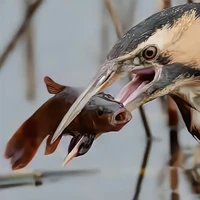


WDM: 3D Wavelet Diffusion Models for High-Resolution Medical Image Synthesis
Due to the three-dimensional nature of CT- or MR-scans, generative modeling of medical images is a particularly challenging task. Existing approaches mostly apply patch-wise, slice-wise, or cascaded generation techniques to fit the high-dimensional data into the limited GPU memory. However, these approaches may introduce artifacts and potentially restrict the model's applicability for certain downstream tasks. This work presents WDM, a wavelet-based medical image synthesis framework that applies a diffusion model on wavelet decomposed images. The presented approach is a simple yet effective way of scaling diffusion models to high resolutions and can be trained on a single 40 GB GPU. Experimental results on BraTS and LIDC-IDRI unconditional image generation at a resolution of 128 times 128 times 128 show state-of-the-art image fidelity (FID) and sample diversity (MS-SSIM) scores compared to GANs, Diffusion Models, and Latent Diffusion Models. Our proposed method is the only one capable of generating high-quality images at a resolution of 256 times 256 times 256.

NeX: Real-time View Synthesis with Neural Basis Expansion
We present NeX, a new approach to novel view synthesis based on enhancements of multiplane image (MPI) that can reproduce next-level view-dependent effects -- in real time. Unlike traditional MPI that uses a set of simple RGBalpha planes, our technique models view-dependent effects by instead parameterizing each pixel as a linear combination of basis functions learned from a neural network. Moreover, we propose a hybrid implicit-explicit modeling strategy that improves upon fine detail and produces state-of-the-art results. Our method is evaluated on benchmark forward-facing datasets as well as our newly-introduced dataset designed to test the limit of view-dependent modeling with significantly more challenging effects such as rainbow reflections on a CD. Our method achieves the best overall scores across all major metrics on these datasets with more than 1000times faster rendering time than the state of the art. For real-time demos, visit https://nex-mpi.github.io/

IP-Composer: Semantic Composition of Visual Concepts
Content creators often draw inspiration from multiple visual sources, combining distinct elements to craft new compositions. Modern computational approaches now aim to emulate this fundamental creative process. Although recent diffusion models excel at text-guided compositional synthesis, text as a medium often lacks precise control over visual details. Image-based composition approaches can capture more nuanced features, but existing methods are typically limited in the range of concepts they can capture, and require expensive training procedures or specialized data. We present IP-Composer, a novel training-free approach for compositional image generation that leverages multiple image references simultaneously, while using natural language to describe the concept to be extracted from each image. Our method builds on IP-Adapter, which synthesizes novel images conditioned on an input image's CLIP embedding. We extend this approach to multiple visual inputs by crafting composite embeddings, stitched from the projections of multiple input images onto concept-specific CLIP-subspaces identified through text. Through comprehensive evaluation, we show that our approach enables more precise control over a larger range of visual concept compositions.
MultiDiffusion: Fusing Diffusion Paths for Controlled Image Generation
Recent advances in text-to-image generation with diffusion models present transformative capabilities in image quality. However, user controllability of the generated image, and fast adaptation to new tasks still remains an open challenge, currently mostly addressed by costly and long re-training and fine-tuning or ad-hoc adaptations to specific image generation tasks. In this work, we present MultiDiffusion, a unified framework that enables versatile and controllable image generation, using a pre-trained text-to-image diffusion model, without any further training or finetuning. At the center of our approach is a new generation process, based on an optimization task that binds together multiple diffusion generation processes with a shared set of parameters or constraints. We show that MultiDiffusion can be readily applied to generate high quality and diverse images that adhere to user-provided controls, such as desired aspect ratio (e.g., panorama), and spatial guiding signals, ranging from tight segmentation masks to bounding boxes. Project webpage: https://multidiffusion.github.io

DART: Denoising Autoregressive Transformer for Scalable Text-to-Image Generation
Diffusion models have become the dominant approach for visual generation. They are trained by denoising a Markovian process that gradually adds noise to the input. We argue that the Markovian property limits the models ability to fully utilize the generation trajectory, leading to inefficiencies during training and inference. In this paper, we propose DART, a transformer-based model that unifies autoregressive (AR) and diffusion within a non-Markovian framework. DART iteratively denoises image patches spatially and spectrally using an AR model with the same architecture as standard language models. DART does not rely on image quantization, enabling more effective image modeling while maintaining flexibility. Furthermore, DART seamlessly trains with both text and image data in a unified model. Our approach demonstrates competitive performance on class-conditioned and text-to-image generation tasks, offering a scalable, efficient alternative to traditional diffusion models. Through this unified framework, DART sets a new benchmark for scalable, high-quality image synthesis.




Image Inpainting via Tractable Steering of Diffusion Models
Diffusion models are the current state of the art for generating photorealistic images. Controlling the sampling process for constrained image generation tasks such as inpainting, however, remains challenging since exact conditioning on such constraints is intractable. While existing methods use various techniques to approximate the constrained posterior, this paper proposes to exploit the ability of Tractable Probabilistic Models (TPMs) to exactly and efficiently compute the constrained posterior, and to leverage this signal to steer the denoising process of diffusion models. Specifically, this paper adopts a class of expressive TPMs termed Probabilistic Circuits (PCs). Building upon prior advances, we further scale up PCs and make them capable of guiding the image generation process of diffusion models. Empirical results suggest that our approach can consistently improve the overall quality and semantic coherence of inpainted images across three natural image datasets (i.e., CelebA-HQ, ImageNet, and LSUN) with only ~10% additional computational overhead brought by the TPM. Further, with the help of an image encoder and decoder, our method can readily accept semantic constraints on specific regions of the image, which opens up the potential for more controlled image generation tasks. In addition to proposing a new framework for constrained image generation, this paper highlights the benefit of more tractable models and motivates the development of expressive TPMs.

3D Gaussian Splatting for Real-Time Radiance Field Rendering
Radiance Field methods have recently revolutionized novel-view synthesis of scenes captured with multiple photos or videos. However, achieving high visual quality still requires neural networks that are costly to train and render, while recent faster methods inevitably trade off speed for quality. For unbounded and complete scenes (rather than isolated objects) and 1080p resolution rendering, no current method can achieve real-time display rates. We introduce three key elements that allow us to achieve state-of-the-art visual quality while maintaining competitive training times and importantly allow high-quality real-time (>= 30 fps) novel-view synthesis at 1080p resolution. First, starting from sparse points produced during camera calibration, we represent the scene with 3D Gaussians that preserve desirable properties of continuous volumetric radiance fields for scene optimization while avoiding unnecessary computation in empty space; Second, we perform interleaved optimization/density control of the 3D Gaussians, notably optimizing anisotropic covariance to achieve an accurate representation of the scene; Third, we develop a fast visibility-aware rendering algorithm that supports anisotropic splatting and both accelerates training and allows realtime rendering. We demonstrate state-of-the-art visual quality and real-time rendering on several established datasets.


Differentiable Sensor Layouts for End-to-End Learning of Task-Specific Camera Parameters
The success of deep learning is frequently described as the ability to train all parameters of a network on a specific application in an end-to-end fashion. Yet, several design choices on the camera level, including the pixel layout of the sensor, are considered as pre-defined and fixed, and high resolution, regular pixel layouts are considered to be the most generic ones in computer vision and graphics, treating all regions of an image as equally important. While several works have considered non-uniform, \eg, hexagonal or foveated, pixel layouts in hardware and image processing, the layout has not been integrated into the end-to-end learning paradigm so far. In this work, we present the first truly end-to-end trained imaging pipeline that optimizes the size and distribution of pixels on the imaging sensor jointly with the parameters of a given neural network on a specific task. We derive an analytic, differentiable approach for the sensor layout parameterization that allows for task-specific, local varying pixel resolutions. We present two pixel layout parameterization functions: rectangular and curvilinear grid shapes that retain a regular topology. We provide a drop-in module that approximates sensor simulation given existing high-resolution images to directly connect our method with existing deep learning models. We show that network predictions benefit from learnable pixel layouts for two different downstream tasks, classification and semantic segmentation.
Voyaging into Perpetual Dynamic Scenes from a Single View
The problem of generating a perpetual dynamic scene from a single view is an important problem with widespread applications in augmented and virtual reality, and robotics. However, since dynamic scenes regularly change over time, a key challenge is to ensure that different generated views be consistent with the underlying 3D motions. Prior work learns such consistency by training on multiple views, but the generated scene regions often interpolate between training views and fail to generate perpetual views. To address this issue, we propose DynamicVoyager, which reformulates dynamic scene generation as a scene outpainting problem with new dynamic content. As 2D outpainting models struggle at generating 3D consistent motions from a single 2D view, we enrich 2D pixels with information from their 3D rays that facilitates learning of 3D motion consistency. More specifically, we first map the single-view video input to a dynamic point cloud using the estimated video depths. We then render a partial video of the point cloud from a novel view and outpaint the missing regions using ray information (e.g., the distance from a ray to the point cloud) to generate 3D consistent motions. Next, we use the outpainted video to update the point cloud, which is used for outpainting the scene from future novel views. Moreover, we can control the generated content with the input text prompt. Experiments show that our model can generate perpetual scenes with consistent motions along fly-through cameras. Project page: https://tianfr.github.io/DynamicVoyager.
Consistency Models
Diffusion models have made significant breakthroughs in image, audio, and video generation, but they depend on an iterative generation process that causes slow sampling speed and caps their potential for real-time applications. To overcome this limitation, we propose consistency models, a new family of generative models that achieve high sample quality without adversarial training. They support fast one-step generation by design, while still allowing for few-step sampling to trade compute for sample quality. They also support zero-shot data editing, like image inpainting, colorization, and super-resolution, without requiring explicit training on these tasks. Consistency models can be trained either as a way to distill pre-trained diffusion models, or as standalone generative models. Through extensive experiments, we demonstrate that they outperform existing distillation techniques for diffusion models in one- and few-step generation. For example, we achieve the new state-of-the-art FID of 3.55 on CIFAR-10 and 6.20 on ImageNet 64x64 for one-step generation. When trained as standalone generative models, consistency models also outperform single-step, non-adversarial generative models on standard benchmarks like CIFAR-10, ImageNet 64x64 and LSUN 256x256.
Unlimited-Size Diffusion Restoration
Recently, using diffusion models for zero-shot image restoration (IR) has become a new hot paradigm. This type of method only needs to use the pre-trained off-the-shelf diffusion models, without any finetuning, and can directly handle various IR tasks. The upper limit of the restoration performance depends on the pre-trained diffusion models, which are in rapid evolution. However, current methods only discuss how to deal with fixed-size images, but dealing with images of arbitrary sizes is very important for practical applications. This paper focuses on how to use those diffusion-based zero-shot IR methods to deal with any size while maintaining the excellent characteristics of zero-shot. A simple way to solve arbitrary size is to divide it into fixed-size patches and solve each patch independently. But this may yield significant artifacts since it neither considers the global semantics of all patches nor the local information of adjacent patches. Inspired by the Range-Null space Decomposition, we propose the Mask-Shift Restoration to address local incoherence and propose the Hierarchical Restoration to alleviate out-of-domain issues. Our simple, parameter-free approaches can be used not only for image restoration but also for image generation of unlimited sizes, with the potential to be a general tool for diffusion models. Code: https://github.com/wyhuai/DDNM/tree/main/hq_demo


Fourier123: One Image to High-Quality 3D Object Generation with Hybrid Fourier Score Distillation
Single image-to-3D generation is pivotal for crafting controllable 3D assets. Given its underconstrained nature, we leverage geometric priors from a 3D novel view generation diffusion model and appearance priors from a 2D image generation method to guide the optimization process. We note that a disparity exists between the training datasets of 2D and 3D diffusion models, leading to their outputs showing marked differences in appearance. Specifically, 2D models tend to deliver more detailed visuals, whereas 3D models produce consistent yet over-smooth results across different views. Hence, we optimize a set of 3D Gaussians using 3D priors in spatial domain to ensure geometric consistency, while exploiting 2D priors in the frequency domain through Fourier transform for higher visual quality. This 2D-3D hybrid Fourier Score Distillation objective function (dubbed hy-FSD), can be integrated into existing 3D generation methods, yielding significant performance improvements. With this technique, we further develop an image-to-3D generation pipeline to create high-quality 3D objects within one minute, named Fourier123. Extensive experiments demonstrate that Fourier123 excels in efficient generation with rapid convergence speed and visual-friendly generation results.
iColoriT: Towards Propagating Local Hint to the Right Region in Interactive Colorization by Leveraging Vision Transformer
Point-interactive image colorization aims to colorize grayscale images when a user provides the colors for specific locations. It is essential for point-interactive colorization methods to appropriately propagate user-provided colors (i.e., user hints) in the entire image to obtain a reasonably colorized image with minimal user effort. However, existing approaches often produce partially colorized results due to the inefficient design of stacking convolutional layers to propagate hints to distant relevant regions. To address this problem, we present iColoriT, a novel point-interactive colorization Vision Transformer capable of propagating user hints to relevant regions, leveraging the global receptive field of Transformers. The self-attention mechanism of Transformers enables iColoriT to selectively colorize relevant regions with only a few local hints. Our approach colorizes images in real-time by utilizing pixel shuffling, an efficient upsampling technique that replaces the decoder architecture. Also, in order to mitigate the artifacts caused by pixel shuffling with large upsampling ratios, we present the local stabilizing layer. Extensive quantitative and qualitative results demonstrate that our approach highly outperforms existing methods for point-interactive colorization, producing accurately colorized images with a user's minimal effort. Official codes are available at https://pmh9960.github.io/research/iColoriT


pixelNeRF: Neural Radiance Fields from One or Few Images
We propose pixelNeRF, a learning framework that predicts a continuous neural scene representation conditioned on one or few input images. The existing approach for constructing neural radiance fields involves optimizing the representation to every scene independently, requiring many calibrated views and significant compute time. We take a step towards resolving these shortcomings by introducing an architecture that conditions a NeRF on image inputs in a fully convolutional manner. This allows the network to be trained across multiple scenes to learn a scene prior, enabling it to perform novel view synthesis in a feed-forward manner from a sparse set of views (as few as one). Leveraging the volume rendering approach of NeRF, our model can be trained directly from images with no explicit 3D supervision. We conduct extensive experiments on ShapeNet benchmarks for single image novel view synthesis tasks with held-out objects as well as entire unseen categories. We further demonstrate the flexibility of pixelNeRF by demonstrating it on multi-object ShapeNet scenes and real scenes from the DTU dataset. In all cases, pixelNeRF outperforms current state-of-the-art baselines for novel view synthesis and single image 3D reconstruction. For the video and code, please visit the project website: https://alexyu.net/pixelnerf

Thinking Outside the BBox: Unconstrained Generative Object Compositing
Compositing an object into an image involves multiple non-trivial sub-tasks such as object placement and scaling, color/lighting harmonization, viewpoint/geometry adjustment, and shadow/reflection generation. Recent generative image compositing methods leverage diffusion models to handle multiple sub-tasks at once. However, existing models face limitations due to their reliance on masking the original object during training, which constrains their generation to the input mask. Furthermore, obtaining an accurate input mask specifying the location and scale of the object in a new image can be highly challenging. To overcome such limitations, we define a novel problem of unconstrained generative object compositing, i.e., the generation is not bounded by the mask, and train a diffusion-based model on a synthesized paired dataset. Our first-of-its-kind model is able to generate object effects such as shadows and reflections that go beyond the mask, enhancing image realism. Additionally, if an empty mask is provided, our model automatically places the object in diverse natural locations and scales, accelerating the compositing workflow. Our model outperforms existing object placement and compositing models in various quality metrics and user studies.


Diffusion-based G-buffer generation and rendering
Despite recent advances in text-to-image generation, controlling geometric layout and material properties in synthesized scenes remains challenging. We present a novel pipeline that first produces a G-buffer (albedo, normals, depth, roughness, and metallic) from a text prompt and then renders a final image through a modular neural network. This intermediate representation enables fine-grained editing: users can copy and paste within specific G-buffer channels to insert or reposition objects, or apply masks to the irradiance channel to adjust lighting locally. As a result, real objects can be seamlessly integrated into virtual scenes, and virtual objects can be placed into real environments with high fidelity. By separating scene decomposition from image rendering, our method offers a practical balance between detailed post-generation control and efficient text-driven synthesis. We demonstrate its effectiveness on a variety of examples, showing that G-buffer editing significantly extends the flexibility of text-guided image generation.
PixelHacker: Image Inpainting with Structural and Semantic Consistency
Image inpainting is a fundamental research area between image editing and image generation. Recent state-of-the-art (SOTA) methods have explored novel attention mechanisms, lightweight architectures, and context-aware modeling, demonstrating impressive performance. However, they often struggle with complex structure (e.g., texture, shape, spatial relations) and semantics (e.g., color consistency, object restoration, and logical correctness), leading to artifacts and inappropriate generation. To address this challenge, we design a simple yet effective inpainting paradigm called latent categories guidance, and further propose a diffusion-based model named PixelHacker. Specifically, we first construct a large dataset containing 14 million image-mask pairs by annotating foreground and background (potential 116 and 21 categories, respectively). Then, we encode potential foreground and background representations separately through two fixed-size embeddings, and intermittently inject these features into the denoising process via linear attention. Finally, by pre-training on our dataset and fine-tuning on open-source benchmarks, we obtain PixelHacker. Extensive experiments show that PixelHacker comprehensively outperforms the SOTA on a wide range of datasets (Places2, CelebA-HQ, and FFHQ) and exhibits remarkable consistency in both structure and semantics. Project page at https://hustvl.github.io/PixelHacker.




Conditional Panoramic Image Generation via Masked Autoregressive Modeling
Recent progress in panoramic image generation has underscored two critical limitations in existing approaches. First, most methods are built upon diffusion models, which are inherently ill-suited for equirectangular projection (ERP) panoramas due to the violation of the identically and independently distributed (i.i.d.) Gaussian noise assumption caused by their spherical mapping. Second, these methods often treat text-conditioned generation (text-to-panorama) and image-conditioned generation (panorama outpainting) as separate tasks, relying on distinct architectures and task-specific data. In this work, we propose a unified framework, Panoramic AutoRegressive model (PAR), which leverages masked autoregressive modeling to address these challenges. PAR avoids the i.i.d. assumption constraint and integrates text and image conditioning into a cohesive architecture, enabling seamless generation across tasks. To address the inherent discontinuity in existing generative models, we introduce circular padding to enhance spatial coherence and propose a consistency alignment strategy to improve generation quality. Extensive experiments demonstrate competitive performance in text-to-image generation and panorama outpainting tasks while showcasing promising scalability and generalization capabilities.
DiffMorph: Text-less Image Morphing with Diffusion Models
Text-conditioned image generation models are a prevalent use of AI image synthesis, yet intuitively controlling output guided by an artist remains challenging. Current methods require multiple images and textual prompts for each object to specify them as concepts to generate a single customized image. On the other hand, our work, \verb|DiffMorph|, introduces a novel approach that synthesizes images that mix concepts without the use of textual prompts. Our work integrates a sketch-to-image module to incorporate user sketches as input. \verb|DiffMorph| takes an initial image with conditioning artist-drawn sketches to generate a morphed image. We employ a pre-trained text-to-image diffusion model and fine-tune it to reconstruct each image faithfully. We seamlessly merge images and concepts from sketches into a cohesive composition. The image generation capability of our work is demonstrated through our results and a comparison of these with prompt-based image generation.

Good Seed Makes a Good Crop: Discovering Secret Seeds in Text-to-Image Diffusion Models
Recent advances in text-to-image (T2I) diffusion models have facilitated creative and photorealistic image synthesis. By varying the random seeds, we can generate various images for a fixed text prompt. Technically, the seed controls the initial noise and, in multi-step diffusion inference, the noise used for reparameterization at intermediate timesteps in the reverse diffusion process. However, the specific impact of the random seed on the generated images remains relatively unexplored. In this work, we conduct a large-scale scientific study into the impact of random seeds during diffusion inference. Remarkably, we reveal that the best 'golden' seed achieved an impressive FID of 21.60, compared to the worst 'inferior' seed's FID of 31.97. Additionally, a classifier can predict the seed number used to generate an image with over 99.9% accuracy in just a few epochs, establishing that seeds are highly distinguishable based on generated images. Encouraged by these findings, we examined the influence of seeds on interpretable visual dimensions. We find that certain seeds consistently produce grayscale images, prominent sky regions, or image borders. Seeds also affect image composition, including object location, size, and depth. Moreover, by leveraging these 'golden' seeds, we demonstrate improved image generation such as high-fidelity inference and diversified sampling. Our investigation extends to inpainting tasks, where we uncover some seeds that tend to insert unwanted text artifacts. Overall, our extensive analyses highlight the importance of selecting good seeds and offer practical utility for image generation.
NuiScene: Exploring Efficient Generation of Unbounded Outdoor Scenes
In this paper, we explore the task of generating expansive outdoor scenes, ranging from castles to high-rises. Unlike indoor scene generation, which has been a primary focus of prior work, outdoor scene generation presents unique challenges, including wide variations in scene heights and the need for a method capable of rapidly producing large landscapes. To address this, we propose an efficient approach that encodes scene chunks as uniform vector sets, offering better compression and performance than the spatially structured latents used in prior methods. Furthermore, we train an explicit outpainting model for unbounded generation, which improves coherence compared to prior resampling-based inpainting schemes while also speeding up generation by eliminating extra diffusion steps. To facilitate this task, we curate NuiScene43, a small but high-quality set of scenes, preprocessed for joint training. Notably, when trained on scenes of varying styles, our model can blend different environments, such as rural houses and city skyscrapers, within the same scene, highlighting the potential of our curation process to leverage heterogeneous scenes for joint training.

Wuerstchen: Efficient Pretraining of Text-to-Image Models
We introduce Wuerstchen, a novel technique for text-to-image synthesis that unites competitive performance with unprecedented cost-effectiveness and ease of training on constrained hardware. Building on recent advancements in machine learning, our approach, which utilizes latent diffusion strategies at strong latent image compression rates, significantly reduces the computational burden, typically associated with state-of-the-art models, while preserving, if not enhancing, the quality of generated images. Wuerstchen achieves notable speed improvements at inference time, thereby rendering real-time applications more viable. One of the key advantages of our method lies in its modest training requirements of only 9,200 GPU hours, slashing the usual costs significantly without compromising the end performance. In a comparison against the state-of-the-art, we found the approach to yield strong competitiveness. This paper opens the door to a new line of research that prioritizes both performance and computational accessibility, hence democratizing the use of sophisticated AI technologies. Through Wuerstchen, we demonstrate a compelling stride forward in the realm of text-to-image synthesis, offering an innovative path to explore in future research.


Semi-Parametric Neural Image Synthesis
Novel architectures have recently improved generative image synthesis leading to excellent visual quality in various tasks. Much of this success is due to the scalability of these architectures and hence caused by a dramatic increase in model complexity and in the computational resources invested in training these models. Our work questions the underlying paradigm of compressing large training data into ever growing parametric representations. We rather present an orthogonal, semi-parametric approach. We complement comparably small diffusion or autoregressive models with a separate image database and a retrieval strategy. During training we retrieve a set of nearest neighbors from this external database for each training instance and condition the generative model on these informative samples. While the retrieval approach is providing the (local) content, the model is focusing on learning the composition of scenes based on this content. As demonstrated by our experiments, simply swapping the database for one with different contents transfers a trained model post-hoc to a novel domain. The evaluation shows competitive performance on tasks which the generative model has not been trained on, such as class-conditional synthesis, zero-shot stylization or text-to-image synthesis without requiring paired text-image data. With negligible memory and computational overhead for the external database and retrieval we can significantly reduce the parameter count of the generative model and still outperform the state-of-the-art.

4D Gaussian Splatting: Towards Efficient Novel View Synthesis for Dynamic Scenes
We consider the problem of novel view synthesis (NVS) for dynamic scenes. Recent neural approaches have accomplished exceptional NVS results for static 3D scenes, but extensions to 4D time-varying scenes remain non-trivial. Prior efforts often encode dynamics by learning a canonical space plus implicit or explicit deformation fields, which struggle in challenging scenarios like sudden movements or capturing high-fidelity renderings. In this paper, we introduce 4D Gaussian Splatting (4DGS), a novel method that represents dynamic scenes with anisotropic 4D XYZT Gaussians, inspired by the success of 3D Gaussian Splatting in static scenes. We model dynamics at each timestamp by temporally slicing the 4D Gaussians, which naturally compose dynamic 3D Gaussians and can be seamlessly projected into images. As an explicit spatial-temporal representation, 4DGS demonstrates powerful capabilities for modeling complicated dynamics and fine details, especially for scenes with abrupt motions. We further implement our temporal slicing and splatting techniques in a highly optimized CUDA acceleration framework, achieving real-time inference rendering speeds of up to 277 FPS on an RTX 3090 GPU and 583 FPS on an RTX 4090 GPU. Rigorous evaluations on scenes with diverse motions showcase the superior efficiency and effectiveness of 4DGS, which consistently outperforms existing methods both quantitatively and qualitatively.
RadSplat: Radiance Field-Informed Gaussian Splatting for Robust Real-Time Rendering with 900+ FPS
Recent advances in view synthesis and real-time rendering have achieved photorealistic quality at impressive rendering speeds. While Radiance Field-based methods achieve state-of-the-art quality in challenging scenarios such as in-the-wild captures and large-scale scenes, they often suffer from excessively high compute requirements linked to volumetric rendering. Gaussian Splatting-based methods, on the other hand, rely on rasterization and naturally achieve real-time rendering but suffer from brittle optimization heuristics that underperform on more challenging scenes. In this work, we present RadSplat, a lightweight method for robust real-time rendering of complex scenes. Our main contributions are threefold. First, we use radiance fields as a prior and supervision signal for optimizing point-based scene representations, leading to improved quality and more robust optimization. Next, we develop a novel pruning technique reducing the overall point count while maintaining high quality, leading to smaller and more compact scene representations with faster inference speeds. Finally, we propose a novel test-time filtering approach that further accelerates rendering and allows to scale to larger, house-sized scenes. We find that our method enables state-of-the-art synthesis of complex captures at 900+ FPS.


Pixel-Perfect Depth with Semantics-Prompted Diffusion Transformers
This paper presents Pixel-Perfect Depth, a monocular depth estimation model based on pixel-space diffusion generation that produces high-quality, flying-pixel-free point clouds from estimated depth maps. Current generative depth estimation models fine-tune Stable Diffusion and achieve impressive performance. However, they require a VAE to compress depth maps into latent space, which inevitably introduces flying pixels at edges and details. Our model addresses this challenge by directly performing diffusion generation in the pixel space, avoiding VAE-induced artifacts. To overcome the high complexity associated with pixel-space generation, we introduce two novel designs: 1) Semantics-Prompted Diffusion Transformers (SP-DiT), which incorporate semantic representations from vision foundation models into DiT to prompt the diffusion process, thereby preserving global semantic consistency while enhancing fine-grained visual details; and 2) Cascade DiT Design that progressively increases the number of tokens to further enhance efficiency and accuracy. Our model achieves the best performance among all published generative models across five benchmarks, and significantly outperforms all other models in edge-aware point cloud evaluation.
SG-I2V: Self-Guided Trajectory Control in Image-to-Video Generation
Methods for image-to-video generation have achieved impressive, photo-realistic quality. However, adjusting specific elements in generated videos, such as object motion or camera movement, is often a tedious process of trial and error, e.g., involving re-generating videos with different random seeds. Recent techniques address this issue by fine-tuning a pre-trained model to follow conditioning signals, such as bounding boxes or point trajectories. Yet, this fine-tuning procedure can be computationally expensive, and it requires datasets with annotated object motion, which can be difficult to procure. In this work, we introduce SG-I2V, a framework for controllable image-to-video generation that is self-guidedx2013offering zero-shot control by relying solely on the knowledge present in a pre-trained image-to-video diffusion model without the need for fine-tuning or external knowledge. Our zero-shot method outperforms unsupervised baselines while being competitive with supervised models in terms of visual quality and motion fidelity.

ZeroScene: A Zero-Shot Framework for 3D Scene Generation from a Single Image and Controllable Texture Editing
In the field of 3D content generation, single image scene reconstruction methods still struggle to simultaneously ensure the quality of individual assets and the coherence of the overall scene in complex environments, while texture editing techniques often fail to maintain both local continuity and multi-view consistency. In this paper, we propose a novel system ZeroScene, which leverages the prior knowledge of large vision models to accomplish both single image-to-3D scene reconstruction and texture editing in a zero-shot manner. ZeroScene extracts object-level 2D segmentation and depth information from input images to infer spatial relationships within the scene. It then jointly optimizes 3D and 2D projection losses of the point cloud to update object poses for precise scene alignment, ultimately constructing a coherent and complete 3D scene that encompasses both foreground and background. Moreover, ZeroScene supports texture editing of objects in the scene. By imposing constraints on the diffusion model and introducing a mask-guided progressive image generation strategy, we effectively maintain texture consistency across multiple viewpoints and further enhance the realism of rendered results through Physically Based Rendering (PBR) material estimation. Experimental results demonstrate that our framework not only ensures the geometric and appearance accuracy of generated assets, but also faithfully reconstructs scene layouts and produces highly detailed textures that closely align with text prompts.
VLM-Guided Adaptive Negative Prompting for Creative Generation
Creative generation is the synthesis of new, surprising, and valuable samples that reflect user intent yet cannot be envisioned in advance. This task aims to extend human imagination, enabling the discovery of visual concepts that exist in the unexplored spaces between familiar domains. While text-to-image diffusion models excel at rendering photorealistic scenes that faithfully match user prompts, they still struggle to generate genuinely novel content. Existing approaches to enhance generative creativity either rely on interpolation of image features, which restricts exploration to predefined categories, or require time-intensive procedures such as embedding optimization or model fine-tuning. We propose VLM-Guided Adaptive Negative-Prompting, a training-free, inference-time method that promotes creative image generation while preserving the validity of the generated object. Our approach utilizes a vision-language model (VLM) that analyzes intermediate outputs of the generation process and adaptively steers it away from conventional visual concepts, encouraging the emergence of novel and surprising outputs. We evaluate creativity through both novelty and validity, using statistical metrics in the CLIP embedding space. Through extensive experiments, we show consistent gains in creative novelty with negligible computational overhead. Moreover, unlike existing methods that primarily generate single objects, our approach extends to complex scenarios, such as generating coherent sets of creative objects and preserving creativity within elaborate compositional prompts. Our method integrates seamlessly into existing diffusion pipelines, offering a practical route to producing creative outputs that venture beyond the constraints of textual descriptions.

Binary Latent Diffusion
In this paper, we show that a binary latent space can be explored for compact yet expressive image representations. We model the bi-directional mappings between an image and the corresponding latent binary representation by training an auto-encoder with a Bernoulli encoding distribution. On the one hand, the binary latent space provides a compact discrete image representation of which the distribution can be modeled more efficiently than pixels or continuous latent representations. On the other hand, we now represent each image patch as a binary vector instead of an index of a learned cookbook as in discrete image representations with vector quantization. In this way, we obtain binary latent representations that allow for better image quality and high-resolution image representations without any multi-stage hierarchy in the latent space. In this binary latent space, images can now be generated effectively using a binary latent diffusion model tailored specifically for modeling the prior over the binary image representations. We present both conditional and unconditional image generation experiments with multiple datasets, and show that the proposed method performs comparably to state-of-the-art methods while dramatically improving the sampling efficiency to as few as 16 steps without using any test-time acceleration. The proposed framework can also be seamlessly scaled to 1024 times 1024 high-resolution image generation without resorting to latent hierarchy or multi-stage refinements.
Bokehlicious: Photorealistic Bokeh Rendering with Controllable Apertures
Bokeh rendering methods play a key role in creating the visually appealing, softly blurred backgrounds seen in professional photography. While recent learning-based approaches show promising results, generating realistic Bokeh with variable strength remains challenging. Existing methods require additional inputs and suffer from unrealistic Bokeh reproduction due to reliance on synthetic data. In this work, we propose Bokehlicious, a highly efficient network that provides intuitive control over Bokeh strength through an Aperture-Aware Attention mechanism, mimicking the physical lens aperture. To further address the lack of high-quality real-world data, we present RealBokeh, a novel dataset featuring 23,000 high-resolution (24-MP) images captured by professional photographers, covering diverse scenes with varied aperture and focal length settings. Evaluations on both our new RealBokeh and established Bokeh rendering benchmarks show that Bokehlicious consistently outperforms SOTA methods while significantly reducing computational cost and exhibiting strong zero-shot generalization. Our method and dataset further extend to defocus deblurring, achieving competitive results on the RealDOF benchmark. Our code and data can be found at https://github.com/TimSeizinger/Bokehlicious
Unaligned 2D to 3D Translation with Conditional Vector-Quantized Code Diffusion using Transformers
Generating 3D images of complex objects conditionally from a few 2D views is a difficult synthesis problem, compounded by issues such as domain gap and geometric misalignment. For instance, a unified framework such as Generative Adversarial Networks cannot achieve this unless they explicitly define both a domain-invariant and geometric-invariant joint latent distribution, whereas Neural Radiance Fields are generally unable to handle both issues as they optimize at the pixel level. By contrast, we propose a simple and novel 2D to 3D synthesis approach based on conditional diffusion with vector-quantized codes. Operating in an information-rich code space enables high-resolution 3D synthesis via full-coverage attention across the views. Specifically, we generate the 3D codes (e.g. for CT images) conditional on previously generated 3D codes and the entire codebook of two 2D views (e.g. 2D X-rays). Qualitative and quantitative results demonstrate state-of-the-art performance over specialized methods across varied evaluation criteria, including fidelity metrics such as density, coverage, and distortion metrics for two complex volumetric imagery datasets from in real-world scenarios.
